

We discovered the concept of Keystone Plants thanks to a comment by a member of the GardensAll community when we shared our article on Goldenrod Benefits.
She responded, saying:
“I leave it [my goldenrod] for wildlife seeing as it’s a keystone species.”
~Kristin Sanchez
While we’re familiar with the benefits of native plants, we weren’t familiar with the “keystone species” or “keystone plants” term, so we were glad to dive into the research to learn.
What is a Keystone Plant?
Keystone plants are are critical components of their respective ecosystems, playing a disproportionately significant role in helping to maintain ecological balance and diversity. These plants serve as the backbone of their habitats, offering essential resources like food and shelter to various animal species.
Beyond that, keystone plants often have broader ecological functions such as soil stabilization, water purification, and climate regulation. Their presence or absence can dramatically influence the structure and function of an ecosystem, affecting other plants and animals in a ripple effect. Just as an arch’s keystone holds the structure together, keystone plants are fundamental in sustaining the ecological web.
A keystone plant is a plant species that plays an especially vital role in maintaining the ecological balance and diversity of its habitat.
Characteristics of Keystone Species
- Disproportionate Effect: They have a more significant influence on the community structure than their relative abundance would suggest.
- Niche Occupancy: Keystone species often occupy a unique niche, making them irreplaceable in the ecosystem.
- Community Impact: Removal of the keystone species would result in drastic changes in the ecosystem, often leading to lower biodiversity.
Just as an arch’s keystone holds the structure together, keystone plants are fundamental in sustaining the ecological web.
Overview of 15 Keystone Plants of North America
Below is a partial list of keystone plants found in North America, spanning various types of ecosystems from forests to wetlands. This is just to give you a broad overview of examples. At the end, you’ll see where and how to discover the keystone plants for your specific area.
Forests and Trees
- Aspen (Populus tremuloides)
- Role: Supports a variety of wildlife and helps to prevent soil erosion.
- Hemlock (Tsuga spp.)
- Role: Provides unique habitat and microclimate for various species.
- White Oak (Quercus alba)
- Role: Provides food and shelter to numerous species; its acorns are a critical food source.
See also, Edible Tree Leaves.

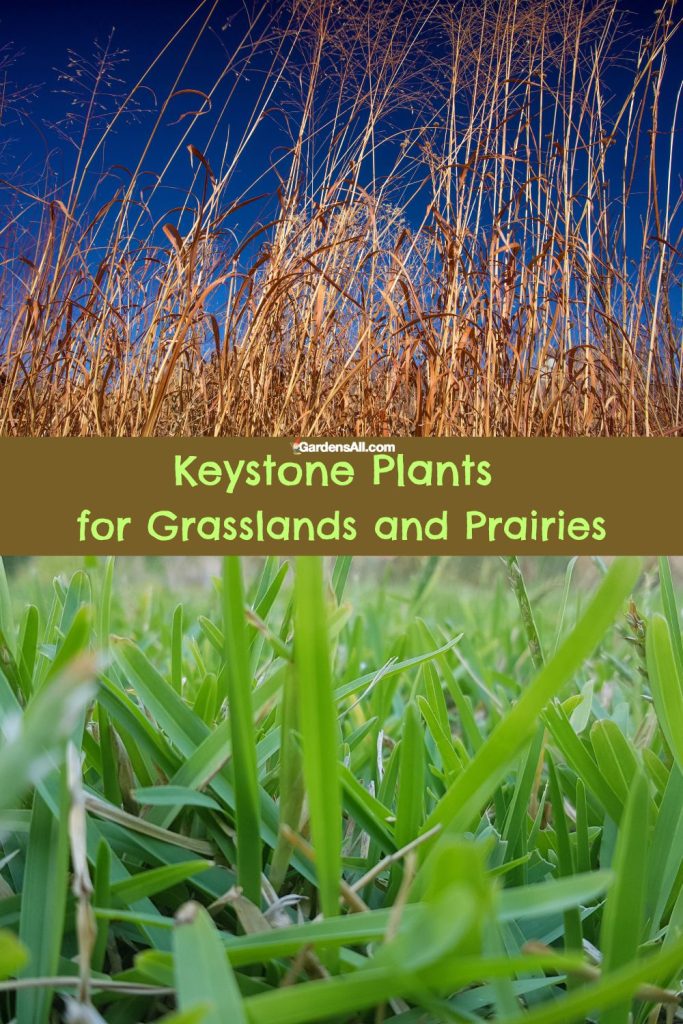
Grasslands and Prairies
- Big Bluestem (Andropogon gerardii)
- Role: Dominant grass in tallgrass prairies, provides cover and food for many animals.
- Buffalo Grass (Buchloe dactyloides)
- Role: Tolerant of drought and grazing, important for soil retention.
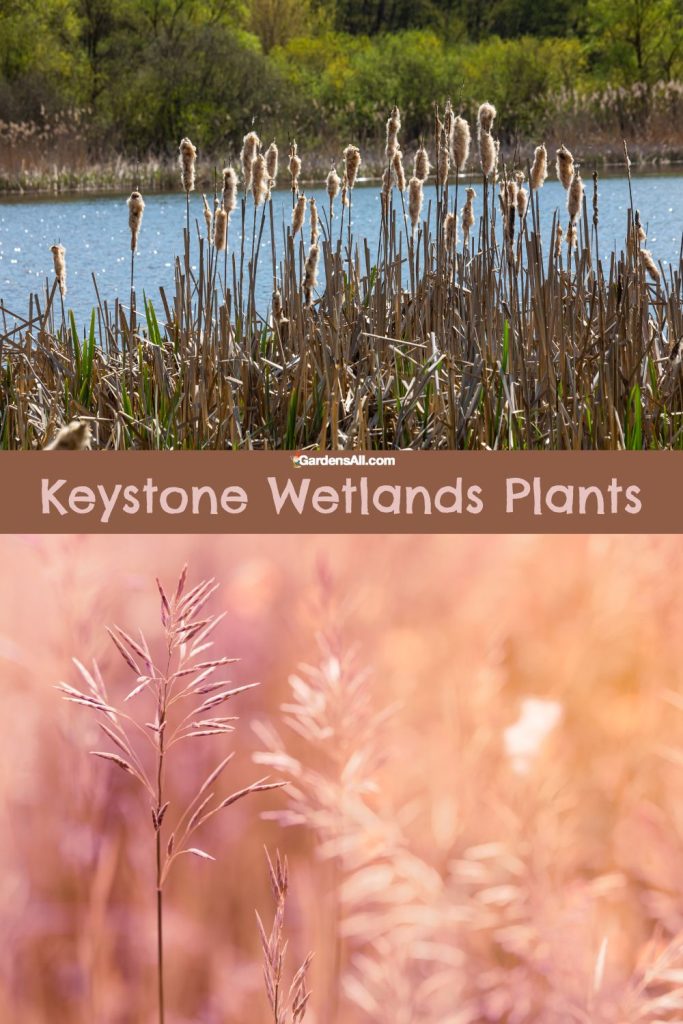
Wetlands
- Cattail (Typha spp.)
- Role: Provides habitat and food for a variety of species, including humans!
See also Foraging and Eating Cattails
- Role: Provides habitat and food for a variety of species, including humans!
- Spartina Grass (Spartina spp.)
- Role: Critical for salt marsh health and acts as a nursery for various marine species.
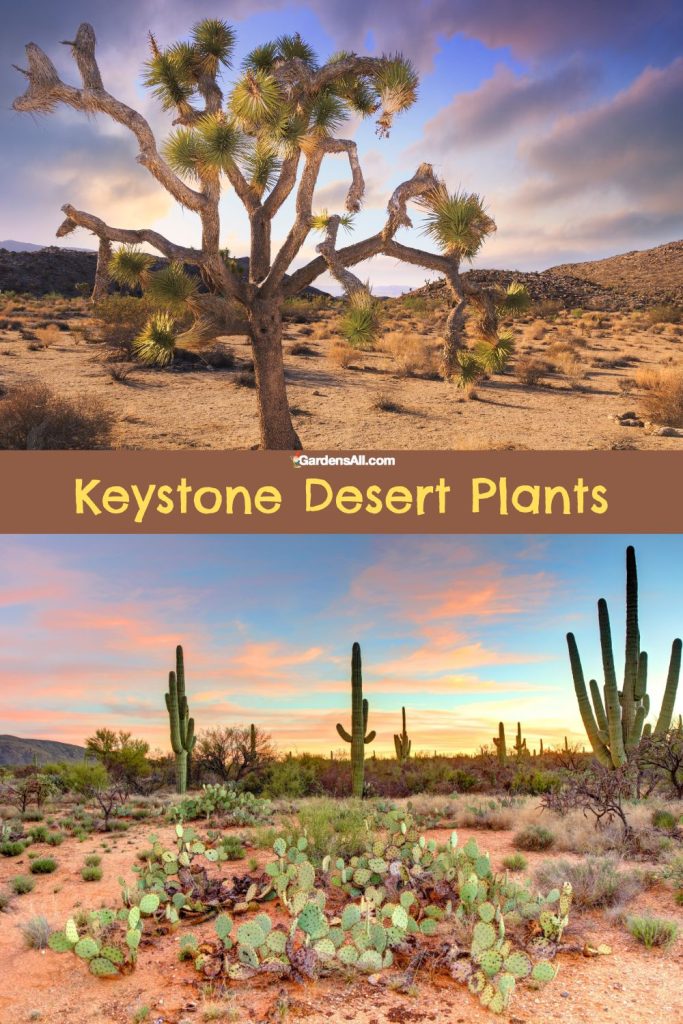
Deserts
- Joshua Tree (Yucca brevifolia)
- Role: Provides habitat and food for a variety of desert species.
- Saguaro Cactus (Carnegiea gigantea)
- Role: Acts as a water storage unit and provides food and shelter to desert wildlife.
See also, desert garden ideas.
- Role: Acts as a water storage unit and provides food and shelter to desert wildlife.
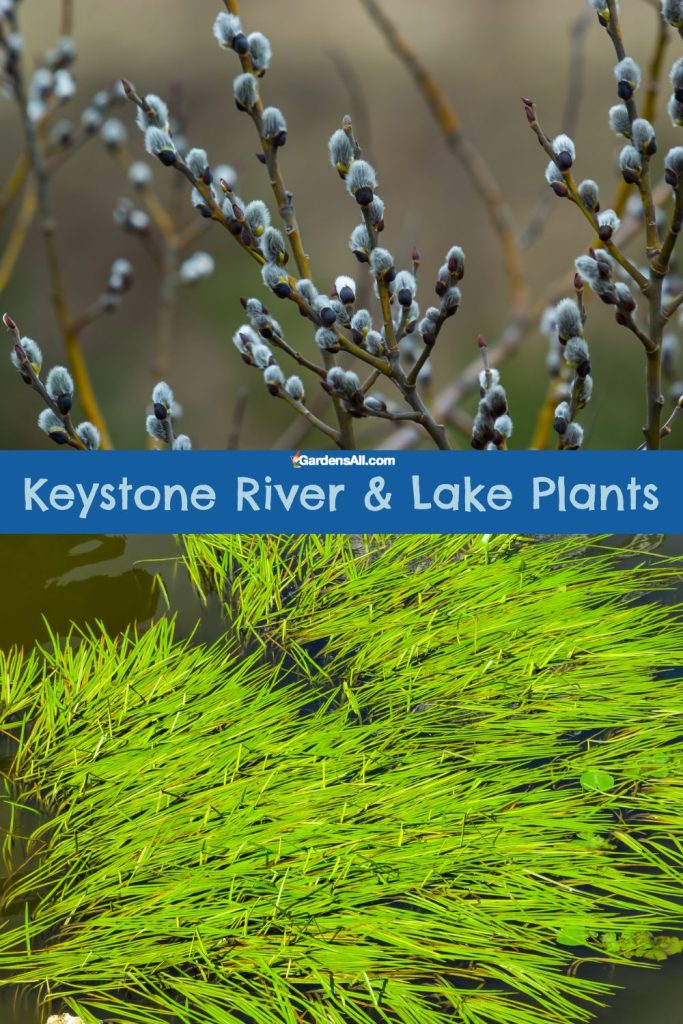
Rivers and Lakes
- Willow (Salix spp.)
- Role: Provides habitat and stabilizes riverbanks, essential for various aquatic species.
- Eelgrass (Zostera marina)
- Role: Provides habitat and stabilizes sediment in freshwater systems.
Coastal Ecosystems
- Mangroves (Rhizophora spp.)
- Role: Vital for coastal erosion control and as a habitat for numerous marine species.
Alpine and Tundra
- Whitebark Pine (Pinus albicaulis)
- Role: Provides food and cover at high elevations, helps with soil retention.
Various Ecosystems
- Wildflowers (Various Species)
- Role: Attract