
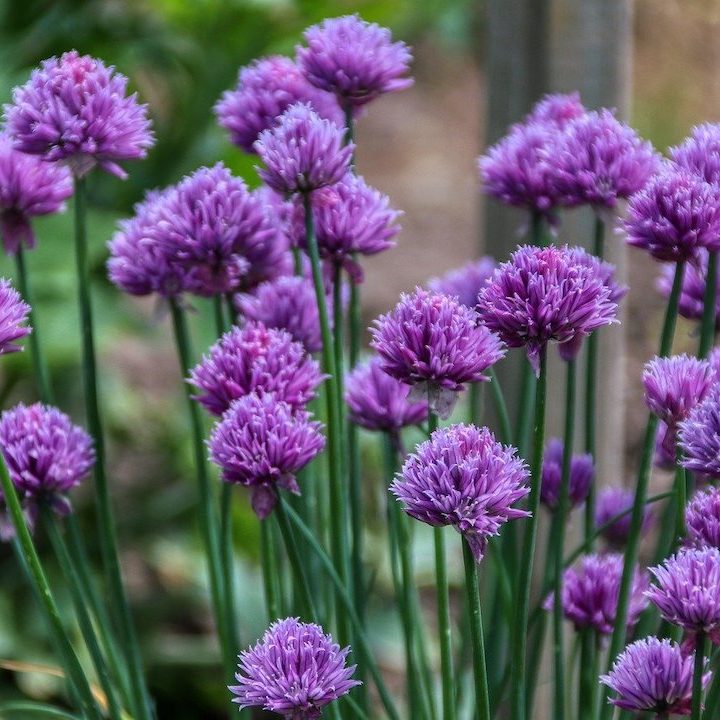
Chives for Beauty, Taste, and Health
If you’re looking for information on how to grow chives, we’ve got the scoop on this unpretentious little herb.
Chives are hardy perennials (they’ll come back each year without replanting) that are easy to grow, delicious added to foods, versatile, and beautiful in the yard or garden. The two most common varieties—onion chives (Allium schoenoprasum) and garlic chives (Allium tuberosum)—can be used in cooking for their taste and health benefits or grown simply for the sake of their ornamental beauty.
Their mild onion or garlic flavor is a wonderful addition to a variety of foods from dips to stews to salads, and they are rich in nutrients as well. Simply put, chives are an excellent choice for an outdoor or indoor garden!
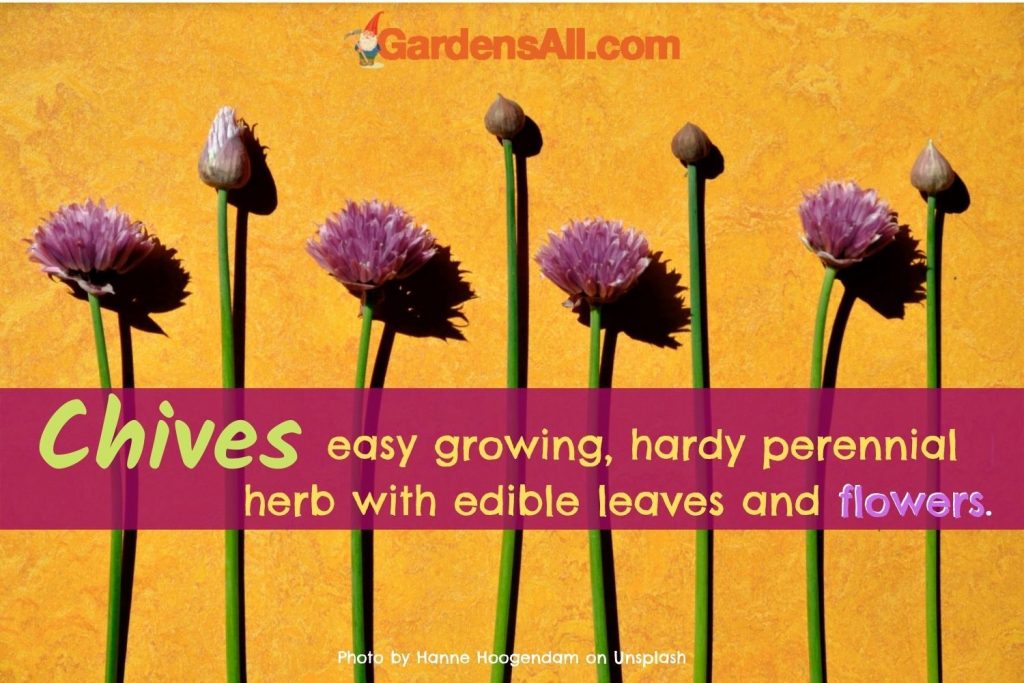
Chives are an easy to grow, low-maintenance, hardy perennial herb with edible flowers and leaves.
Photo by Hanne Hoogendam on Unsplash
How to Grow Chives
Planting Chives Outdoors
Chives are part of the onion family, and like onions, they grow from bulbs.
When to Plant Chives Outdoors
The quickest way to establish your chive plants is to buy rooted clumps of three to four bulbs and add them to your spring garden beds four to six weeks before the last frost.
Plant chive seedlings in the garden in spring, 4-6 weeks before the last frost.
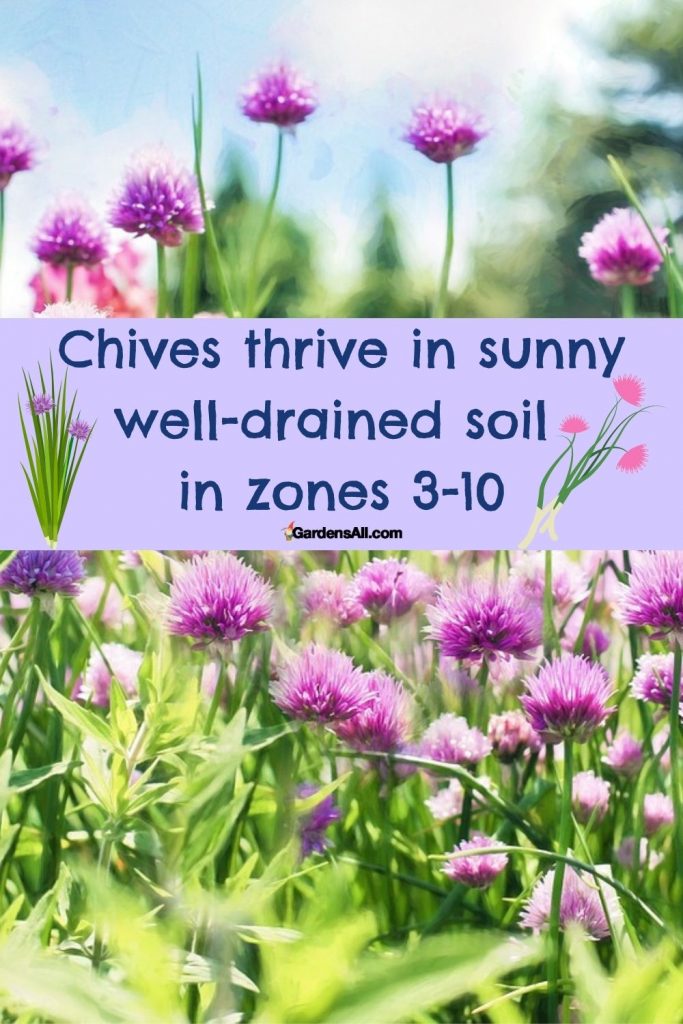
Plant Chives in Full Sun
Choosing the right location for your chives is important because chives thrive in full sun (six to eight hours of direct sunlight per day). Chives will tolerate light shade or filtered sunlight, but for best results, plant your chives where they will receive full sun.
Plant Chives in Well Drained Soil
You can grow chives in a variety of different soils, as long as the soil drains well. They will grow best in soil mixed with organic matter. Over fertilizing can weaken your chives; in fact, you should avoid fertilizing your chives unless they become weak after years of harvesting.
Chives Are Drought Tolerant
Chives are fairly drought-tolerant, but you should still make sure they receive consistent, deep moisture. We favor drip irrigation. Allowing the root beds to dry out can stress and weaken plants. Mulching helps prevent the soil from drying out too quickly. [1]SOURCE: Univ. of Minnesota Extension
Beautify Landscapes
Beyond edible benefit, chives have lovely puffball like flowers that ornamental value in landscapes and gardens. This added floral benefit makes chives a good edible landscape plant for foodscaping, including in neighborhoods with Homeowners Associations (HOAs) that prohibit visible vegetable gardens.
Chive Flower Colors
Depending on the variety, chive flowers range from white to bright purple flowers that attract bees and other pollinators. Many gardeners enjoy using chives as a border or as accents amongst other flowers.[2]Univ. of Wisconsin-Madison, Horticulture Ext.
Problems with Planting Chives Outdoors
Weeds are the most common problem when growing chives outdoors. Mulching the area around your chives can prevent weeds from settling in. Regular weeding is also helpful, especially in the first couple months after planting when your chives are still becoming established.[3]Utah State Univ. Horticulture Ext.
Chive Pests
Be on the lookout for thrips, which are tiny insects that may eat your chives’ leaves. If you notice the leaves turning gray or silver or becoming twisted, you probably have thrips on your chives. We’re organic gardeners, so always seek natural remedies first, such as a natural insecticidal soap to buy or make your own.
If you have had a prior problem with root maggots in the area where you want to plant chives, use a natural insecticide at planting time to prevent them from returning.[4]Utah State Univ-Horticulture Ext.
Natural Aphid Remedies and Recipes
We used a homemade natural organic aphid spray for our longevity spinach plants, where you can find that simple recipe, instructions and also a video on it.
We’re not typically plagued by aphids in the garden, thanks to natural predators to aphids. But once we bring the plants into our sunroom and greenhouse for winter, they tend to appear.
See neem oil and peppermint soap recipe, instructions and video.
NATURAL APHID SPRAY REMEDY RECIPE and INSTRUCTIONS
Add to one 24 oz. spray bottle:
- 1 teaspoon each of:
- baking soda
- cooking oil
- Epsom salt
- Water to fill:
- shake
- Add 2 drops of dishwashing detergent
- rotate bottle a few times to blend soap up without it getting to frothy.
- Pick off aphids and drop them into a container of soapy water to kill.
- Spray both sides of leaves and also stems and soil around the plant with natural aphid spray remedy.
We LOVE that you can easily make so many remedies and cleansers that work just as well as more expensive (and often chemically laced) products.
Beneficial Pest Predators and Pollinators to Attract to Your Yard and Garden
You will also benefit by attracting good garden pest predators to your garden, such as birds that eat aphids and harmful insects. Other beneficial pollinators that eat bad garden bugs like aphids and thrips include Hoverflies and Lacewings.[5]https://www.arbico-organics.com/category/Green-Lacewings-chrysoperla-beneficial-insects
Chives Are Self Propagating
Chives self-propagate when the chive flowers go to seed. And, they may spread more than you want them to. So if you don’t want them to take over your whole garden deadhead the buds before they go to seed by clipping them off before they start to wither and fade.
When is the Best Time to Divide and Replant Chives?
You may also wish to divide established chives every two to four years to help plants stay productive. The best time to divide and replant chives is in late summer to early fall, depending on your grow zone.
While most herbs are divided and replanted in spring, chives thrive by trimming and dividing later in the season. The trimming stimulates new growth. Since chives are a hardy cool weather herb, the new growth in fall is full and sweet. Dividing chives later in the season also sets the stage for beautiful spring blossoms.
How to Divide and Replant Chives
Dividing chives is simple and best done after a rain or a few hours after watering to soften the soil. Cut the chive leaves or stalks down to about four inches tall, then gently remove a clump of three or four plants from the soil.
Replant your divided chives eight to twelve inches apart and approximately half an inch deeper than before. Make sure the roots stay moist while they are getting re-established.
Dividing Chives Summary
- Start with moist soil following a rain or watering 3-4 hours prior to dividing chives.
- Cut the leaves down to ~4″ height;
- use the tops for food garnish or recipes like this avocado egg salad or air baked potatoes.
- Next, gently remove a clump of three or four plants from the soil.
- Replant your divided chives 8-12″ apart and ~½” deeper than before.
- Be sure to keep roots moist while they’re getting re-established.
Growing Chives Indoors
PETS & CHIVES: You can grow chives indoors as well, but a word of warning: plants in the Allium family, including chives, are toxic to both dogs and cats if they chew on the plants repeatedly over time or eat a large amount at once. If you wish to grow chives indoors, make sure to place your pots or planters in an area that’s out of reach for your pets.
GROWING CHIVES IN POTS: When growing chives in pots, make sure to use a pot that has a hole in the bottom to drain excess water. Choose a household plant potting soil mixture and scout a sunny location near a southern or western exposure.
WATERING CHIVES: Keep chives well watered but beware of overwatering. It’s time for more water if the soil feels dry to the touch.
WINTER GROWING INDOORS: Don’t be alarmed in the winter if your potted chives dwindle or even die back. That is a typical reaction to the lower levels of sunlight, but not a sign that your plant needs fertilizer. Your chives should return to full strength as the sunlight increases in the spring.
Growing Chives from Seeds
You can grow chives from seeds indoors and outdoors. Seeds started indoors can be transplanted outside if you wish.
Plant your seeds about one-quarter inch deep. Once they sprout, thin your plants so that each one has about four to six inches of space all around (source).
Don’t worry if you don’t see rapid growth from your seeds. Chives grown from seeds often take about four to six weeks to grow large enough to transplant (source).
Planting Chive Seeds
- Start seeds indoors in colder climates
- Plant seedlings outdoors 4-6 weeks before the last frost
Growing Chives in Water
Chives won’t grow from cuttings, however they will grow if you place the bulbous root in water or soil. We’ve found it’s best to transfer them to soil if you first start them growing in water for best results, growth and nutrients.
However, if you plant chives outdoors and want to continue enjoying them throughout the winter, you can divide your plants and bring some bulbs indoors to replant in a pot. This is a safe way to replant chives since the bulbs, root, and leaves will remain intact.
Harvesting Your Chives
Whether you grow your chives outdoors or indoors, harvesting them is simple! Once your chives are well established in their soil, use shears or a sharp knife to cut the leaves about two inches above the soil.
Start by harvesting outer leaves and work your way inward. The younger and more tender the leaves are, the better the flavor.
Trimming chives helps to keep them healthy and thriving. It won’t take long for you to see new growth after harvesting!
Harvest chive flowers to enjoy in salads or as attractive garnishes that give a gourmet touch to any dish.
Chive Nutrition and Health Benefits
Chives Nutrition
In addition to their taste and beauty, chives are extremely healthy and pack a nutritious punch! As little as one tablespoon of chives contains vitamins A, B6, and C along with essential minerals phosphorus, riboflavin, calcium, folate, iron, magnesium, and potassium. [6]Utah State Univ. Ext.
Furthermore, garlic chives (Allium tuberosum), also known as Chinese chives, have long been used as a folk medicine throughout ancient cultures.
Chives Health Benefits
- ANTIOXIDANTS: Vitamins A and C are antioxidants that can ward off the effects of free radicals and signs of aging.
- HEART & ENERGY: Calcium, magnesium, phosphorous, and potassium aid in heart function and boost energy production.
- INSECT BITES & CUTS: When cut, leaves and bulbs can be gently rubbed onto skin to treat insect bites or minor cuts.
- AIDS DIGESTION: When eaten, leaves are believed to aid digestion and help treat anemia (source).
- ANTI-CANCEROUS: Studies indicate that chives, along with other members of the Allium family like onions and garlic, contain a cancer-fighting chemical called diallyl trisulfide.[7]https://naes.unr.edu/research/research_project.aspx?GrantID=761
- Reduced Cancer Risk Studies Include
You will need to eat significant amounts of chives and other Allium vegetables to reap the full benefits of their vitamins and minerals. Chives are a great herb to add to your diet if you don’t like the stronger flavors of onions and garlic.
We think of chives and other fresh herbs as daily doses of vitamins sprinkled into our foods. So we use “leaves for ills instead of pills” whenever possible.
See also: Chives vs green onions vs scallions for more on each plant’s differences and nutrients.
An herb garden is a medicine cabinet.
How to Use Chives in the Kitchen
Using Fresh Chives in Cooking
The great news is that you don’t have to be a professional chef to start cooking with chives. Follow these simple steps to add chives to dips, spreads, salads, soups, stews, meats, stir-fries, roasted veggies, and of course, the classic baked potato with sour cream.
- Wash your chives in cool water.
- Dry them by patting them with a clean dish towel or paper towels. You can also use a salad spinner to dry them.
- Once your chives are dry, use a sharp knife to chop them on a cutting board.
- For dips, buttery spreads, or as a topping for baked potatoes or other roasted veggies, chop your chives finely.
- For soups, salads, stews, or stir-fry dishes, your chives can be cut into longer pieces, anywhere from a quarter-inch to two inches depending on your preferences. Fresh chives are best not cooked, so add them near the end of cooking.
For alliums that cook well choose green onions, scallions or spring onions instead of chives.
If you feel creative, try adding fresh chives to your favorite savory dishes for an extra boost of onion or garlic flavor. Remembering to add fresh herbs such as chives just takes a little practice to remember to use them and to learn how you enjoy them most. But once you get into that rhythm, it becomes a way of life.
Can You Eat Chive Flowers? Yes You Can!
How to Use Chive Flowers in Cooking
Not only can they add beauty to your plate, chive flowers also add flavor without adding sodium or fat. Depending on whether you’re growing onion chives or garlic chives, the blossoms will have a light onion or light garlic flavor.
- After harvesting, carefully wash your chive flowers. We like to soak them in a bowl of clean water for a few minutes, then spin in a salad spinner.
- Chive blossoms can be added to a dish chopped or whole.
- Add chive blossoms to cooked food as a topping or garnish before serving.
- Chive blossoms, chopped, whole or as petals, can be baked such as on pizzas or focaccia breads
- Whole chive flowers are best for:
- soups and stews
- stir fry
- meats
- salads
- baked or roasted veggies
- vinegars and oils
- Chopped chive blossoms are best in:
- dips, spreads and butters
- baking, such as:
- cornbread
- focaccia breads and pizzas, (whole or chopped depending on the look you want)
Conclusion
One of the things we’re doing more of in our garden and edible landscape is to plant perennials. We love the concept of planting it once and enjoying the benefit for years to come, and chives is one such plant. A little powerhouse that doesn’t take up much space, doesn’t demand much attention, can grow indoors or out, yet quietly and humbly grows goodness, flavor and health for you year after year.
Whether you choose onion chives or garlic chives, you can’t go wrong! Chives will add beauty to your garden, flavor to your plate, and a wide range of vitamins and minerals to your diet. If they are well cared for, you can enjoy them for years to come.

I’m LeAura Alderson, a garden, herb and plant enthusiast with a passion for discovering the many edible and medicinal benefits of the plants all around us, including the weeds, while transforming the land through regenerative permaculture practice. I am also a writer, editor and media publisher (now mostly retired due to replacement by AI), but which now allows more time to build our regenerative permaculture homestead farm.
References