
The Best Squash for Making Pumpkin Puree and Pie
What are the best pumpkins for pumpkin pie? And what about squash? After all, all pumpkins are winter squash and gourds.
But it’s a good question because not all gourds are alike and some are better for cooking, while others may be better for carving for the fall holidays.
If you’re making pumpkin pie from scratch, you’ll need to know what is the best squash for pumpkin pie. The good news is that you have many options in squash that all work relatively well.
Pumpkins and Squash for Pumpkin Puree
If you’re familiar with some of the many varieties of winter squash, then you’ll know that most of them produce a similar bright orange flesh and are readily substituted for pumpkin in recipes. Both contain the highly nutritious beta-carotene, and most varieties tend toward a mild natural sweetness that lends itself well to dessert recipes.
Are Pumpkins a Squash, a Gourd, or a Fruit?
The answer is “yes”! Pumpkins are a squash and a gourd and also a fruit! When it comes to pumpkins and other winter squash, most of them can be used interchangeably for recipes, as they have similar textures and flavors.
We list further below, some of the best squash to use for homemade pumpkin puree, and have included several varieties in our article here.
Choosing the Right Pumpkin or Squash for Making Pumpkin Puree
You will need at least one or two pumpkins to make a pie, depending on the size of the pie tin you’ll be using as well as the size of the fresh pumpkin(s) you have on hand. Before we start, remember that pumpkins are a winter squash.
Pumpkins that are used to make purees, pies, spiced ice cream, and other baked goods are also called pie gourds and winter squash.
How to Choose Baking Pumpkins
When looking for baking pumpkins, you’re looking for a pumpkin that:
- Has little to no hollow space inside –
- should feel heavy from density
- won’t sound hollow when tapped
- Doesn’t have many fibrous strings in the flesh
- Has a lower water content,
- Is typically smaller in size
- Is naturally sweeter
- Flesh color is a bright shade of orange
Most large carving-style pumpkins will fail most or all of these guidelines.
So which pumpkins and squash are best for making homemade pumpkin puree?
Sugar Pumpkins Are the Best Pie Pumpkins
As you might surmise by the name, sugar pumpkins are best for pumpkin pies because they’re naturally sweeter.
23 Favorite Sugar Pumpkin Varieties Best for Pumpkin Pie
- Autumn Gold
- Baby Bear
- Baby Pam
- Blue Pumpkins
- Cinderella
- Dickinson
- Early Sweet Sugar Pie
- Fairy Tale
- Galeux d’Eysines
- Ghost Rider
- Green buttercup squash
- Jarrahdale
- Hubbard
- Kabocha Squash
- Lumina – white exterior with orange interior
- Musquee de Provence
- New England
- Orange Smoothie
- Small Sugar
- Spookie
- Sweet Meat
- Tetsukabuto squash
- Triple Treat
While you can make a pumpkin pie with virtually any pumpkin or winter squash, some are naturally better than others. The best pumpkin pie pumpkins tend to be sweeter and denser, with more fleshy and fewer seeds and stringy matter, call innards (commont) or funiculus (scientific term).
The best pumpkins for pumpkin pie are also call pie pumpkins, pie gourds and sugar pumpkins.
If you want to get right into preparations, you can see how to process a pumpkin here.
Next, we’ve elaborated on a few of the favorite pumpkins for pies from the list above.
Baby Bear Pumpkin
The 1-2.5 pound Baby Bear is another excellent option. It looks like a classic bright orange pumpkin, tastes lightly sweet, and has a faint chestnut flavor.

Green Buttercup Squash
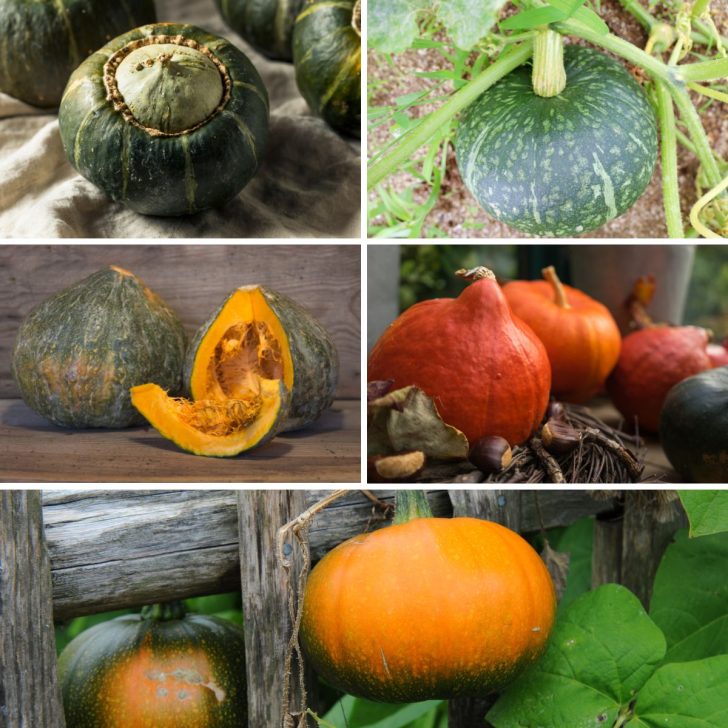
This small garden beauty resembles a pumpkin but with a flattish green exterior, bright orange flesh, and sweeter flavor. It weighs four to seven pounds at full maturity, and will give you two small pies (9 inches in diameter) or one large pie (12 inches). The buttercup squash has very few seeds and no hollow space in the middle, so it will give you a lot of food.

Kabocha Squash
This looks similar to green buttercup squash, but with less of that classic pumpkin flavor. The pumpkin flavor is muted in lieu of a creamier texture, sweeter flavor, firmer interior flesh, less water content, and, in my opinion, a better flavor. It tastes like a sweet pumpkin crossed with a sweet potato, or more like a butternut squash. It’s a smaller winter squash too, weighing two to three pounds most often, though some will grow to eight pounds.

Tetsukabuto squash
The Tetsu is another good winter squash for making pumpkin puree. It’s similar to the Kabocha squash or acorn squash, and has the bonus of being especially pest resistant.
You can read more about the pest resistant Tetsukabuto squash here.

Red Kuri Squash
You may not recognize this as a squash or pumpkin, but it is! This interesting vegetable is very round, bright orange-red, and with a thin skin. Inside the skin, you’ll find a nearly solid vibrant yellow flesh that is thick, rich in flavor, and with a lot of natural sugar. Some people refer to Red Kuri as Hokkaido Pumpkins. If you want a squash that will last for months in storage with no preservation efforts from you, this three to four-pound winter squash is ideal.

Most winter squash will keep for months, and see you through the winter, which is a great gift from nature! Whether you’re growing your own winter squash, or buying them from your local farmers’ market or grocer, you may want to know how to preserve and store winter squash.
More Pumpkin Articles
You can see more on making pumpkin puree and pie on our recipe website:
- How to process pumpkins and squash
- Making pumpkin puree from scratch
- How to make pumpkin pie from scratch

I’m LeAura Alderson, a garden, herb and plant enthusiast with a passion for discovering the many edible and medicinal benefits of the plants all around us, including the weeds, while transforming the land through regenerative permaculture practice. I am also a writer, editor and media publisher (now mostly retired due to replacement by AI), but which now allows more time to build our regenerative permaculture homestead farm.