
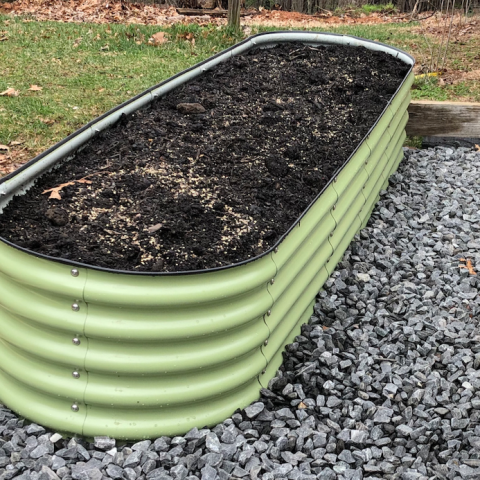
Beginning with the 2023 growing season, we’re starting to use galvanized metal raised garden beds. In this article and video (at the end), we put it together and build it up.
If you’re already using them, we’d love to hear how it’s working for you.
SPRING SALE ALERT: This just in this morning, spring sale up to 42% off on the Olle galvanized metal raised garden beds!
A New Trend in Raised Garden Beds
Corrugated galvanized metal raised garden beds have become increasingly popular. Some growers are choosing DIY galvanized raised beds, while other growers favor the ready made garden beds to-go.
In our experience with raised beds for gardening in general, the main drawback has been that, apart from some non organic containers, the organic materials used for building raised bed frames will decay. Even preservative treated wood — which some prefer to avoid altogether — begins to rot after a number of years.
Tearing Down the Old to Make Way for the New
Sadly, we recently had to dismantle a 7 year old garden due to the sale of property. During the tear-down, we discovered how little of the original pressure treated wood was reusable. Masonry, such as bricks, blocks and stone is a notable exception but comparatively expensive.
These observations led us to consider galvanized raised garden beds. We looked at a variety of options, shapes and styles from feeding troughs to DIY galvanized beds. From scratch using metal sheets, to galvanized raised bed kits.
During our search, we were contacted by the Olle Gardens company. They offered to send us a complementary galvanized raised bed. The timing was perfect so we took them up on it and have since purchased two more Olle beds that we will also be putting in place.
So while we had to tear down the old, we’re now building a new and better garden, and we wanted to start with long-lasting raised beds.
Corrugated Metal Raised Garden Beds Benefits
- 5-7 x longer lasting than wood frames –
- corrosion resistant
- doesn’t rust or rot (like wood frames)
- Variety – most galvanized beds come in an assortment of:
- sizes
- shapes
- heights
- colors
- configurations and grouping options
- Easy –
- to ship
- to construct
- and easy to work and maintain
- Looks neat and clean
- Many include accessories that can be added, such as trellises
How Long Do Galvanized Raised Beds Last?
Longer lasting with an aluminum/zinc galvanized coating, some galvanized raised garden bed kit makers tout a duration 5 to 7 times longer than wood framed garden beds.
The aluminized zinc coating on the Olle garden beds, promotes a life expectancy of 30 plus years. Some say 20 years.
Since these specific style of garden beds haven’t been on that market that long, none can say for certain, and different soil conditions can affect longevity. However, based on similar materials, most agree that the galvanized beds should last at least 20 years
Galvanized Beds Are Attractive, Adaptable and Varied
Many brands offer an attractive color assortment as well as heights that typically range from 12″ to 32″. Having more depth allows plants, especially root crops, to thrive better. That said, practically any crop enjoys more room to grow, and can grow in a raised garden bed.
Raised Beds Are Easier to Maintain
The beds are easy to maintain. You control the composition of the growing medium, the ideal placement, and the configuration. The special aluminum-zinc alloy extends the corrosion resistance.
Corrugated Metal Raised Garden Beds
The metal beds are quite easy to set up and put in place with a few simple tools. Clear assembly instructions and many Olle online video demonstrations make construction even easier.
Pricing: Galvanized Metal Beds vs Wood Framed Beds
Wood Frame Raised Bed – Cheaper
A treated ground contact 2’ X 8’ X 1.3’ wood frame made with 2″ nominal lumber currently costs $80.00. Western Red cedar and winter-sawn white oak will cost even more. With fasteners and staking, add $20. This $100 is about 2/3 of what the similar sized Olle bed costs.
Building a Galvanized Metal Bed from Scratch
However, the time and sweat equity spent building a raised bed garden needs to factor in as well. We’ve seen a number of how-to videos for DIY galvanized raised beds and the cheaper ones use flimsy aluminum sheeting. Some use a fair amount of wood trim, which involves wood working, and special saws.
Galvanized raised bed kits (like the Olle), are durable (no wood), sturdy (no extra bracing), and quick to assemble (1-1.5 hours). There are other types, but nearly all incorporate wood frames and posts.
Treated Wood Raised Beds
Even treated wood beds can warp and begin to rot after 5-7 years. Depending on weather conditions, most will need replacing after 10 years.
The deeper raised beds are well suited for many crops, but especially good for growing root crops like carrots, beets, radishes, and potatoes.
Other considerations include flexibility and mobility. Because the metal raised beds are open at the bottom, they can be set anywhere, even on concrete or gravel. They can also be transferred from their original place to another, once the interior soil is removed. Once relocated, the bed can be refilled.
Choosing Galvanized Raised Garden Beds
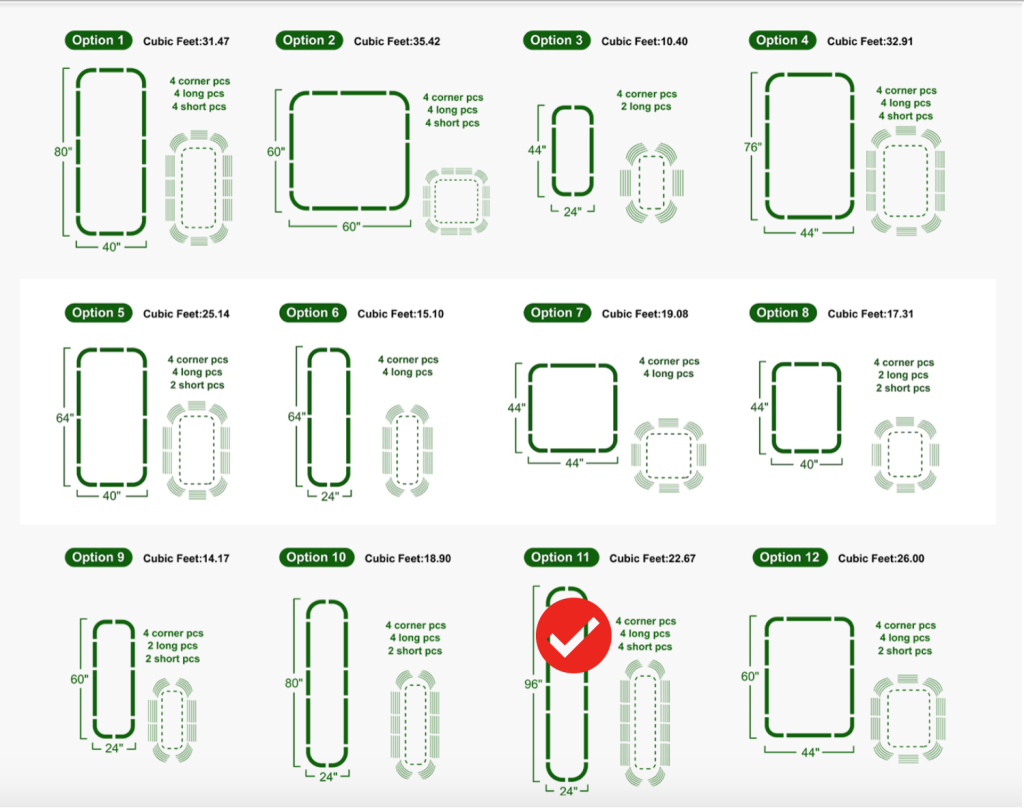
We looked at the many products available. Raised galvanized beds vary in height, color, material thickness, and shape. Some, like the modular Olle beds, can be configured in multiple shapes. (See the diagram below).
Look for Sturdy Galvanized Metal Beds
We paid attention to the thickness (gauge) of the material. As the spans and heights of these beds increase, their tendency to bow out increases. Some brands compensate with cross bars. Our product research led us to select a minimum 6mm (@ 4 gauge) thickness.
The 12-in-1 galvanized planter box from Olle met the criteria with 6mm straight sides and 8mm corners. We chose the 24” X 96” X 17″ tall configuration which holds 22.7 cu ft.
Next we share how we built our own Olle bed. You’ll find
Deciding What to Grow in a Metal Raised Garden Bed?
Once we selected the Olle product as one of the best raised beds for gardening, numerous other considerations came into play.
With a 17″ deep bed of growing medium, root crops will have a huge advantage. Potatoes (including spuds and sweet), carrots, beets, turnips, and radishes will all take advantage of this super deep raised garden bed and rich, well-draining soil.
We chose an early season Norland Red Potato that reportedly offers good yield and great taste.
Choosing a Location for a Raised Metal Bed
Once we know what we aim to grow, we link the plant’s requirements to the location.
- Placement – Sun 6-8 hrs (full sun)
- Water- Drip irrigation
- Well drained soil – Custom made and amended to pH 6-6.5
- Pest Control- Electric fence and repellents
- Timing – Early spring
Our galvanized beds are going on a swath of grass between our blueberry and veggie plots, seen below outlined in red.
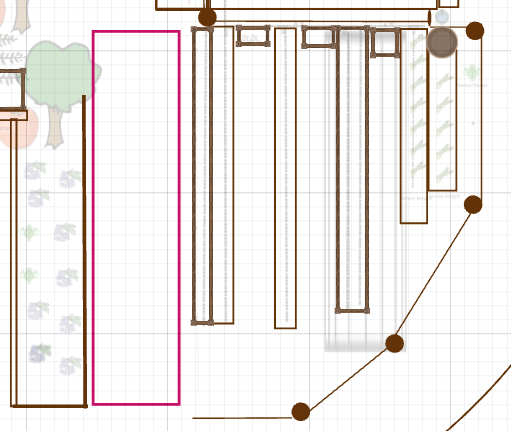
See our raised metal garden beds inside our updated small electric garden fence system.
Site Preparation – Laying a Solid Protective Foundation
Foundation Layers in Order
- weed barrier fabric
- 1/2″ hardware cloth
- cardboard
- galvanized bed
The planting area was covered with commercial duty weed barrier fabric
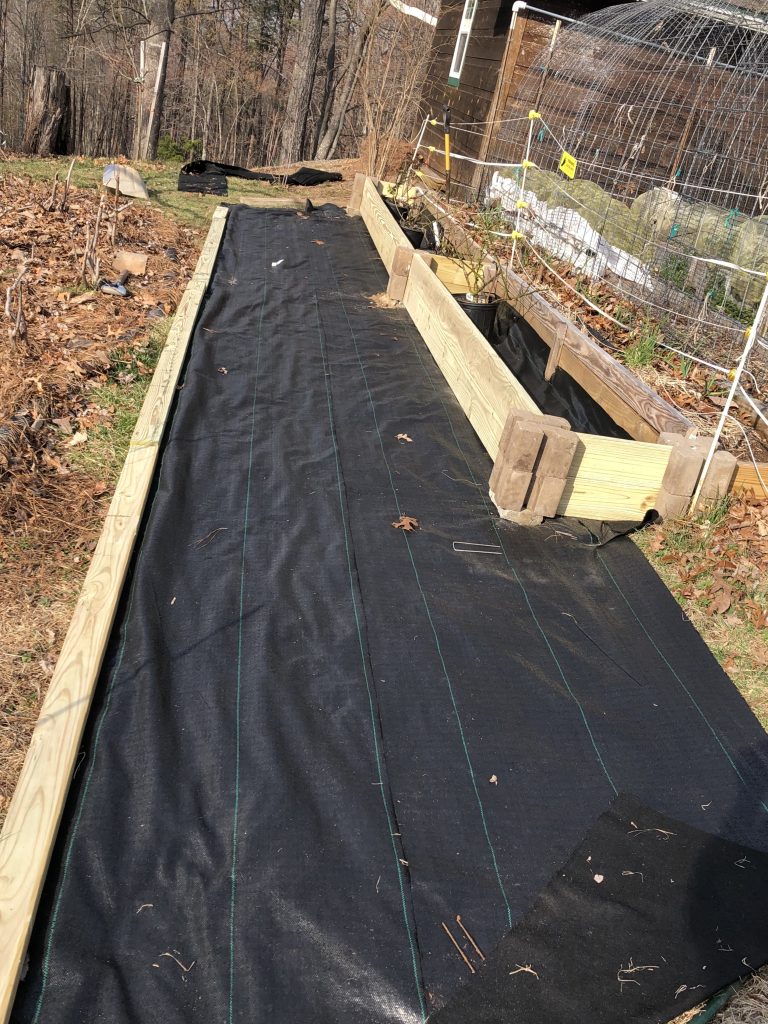
Laying out a new growing area prompted us to add on another raised bed for growing berry crops. Then two additional Olle galvanized metal raised garden beds, will go in place with a gravel pathway between the rows.
We were eager to plant it now, but we aren’t yet living on this property. It’s our rental cabin where we will eventually live, but ever since Covid-19, it’s been staying booked most of the time, and we aren’t yet ready to move from our old home in the woods, of 33 years.
So it can be challenging to be able to manage a larger garden just a couple times a week, but you know how it goes… the project grew!