
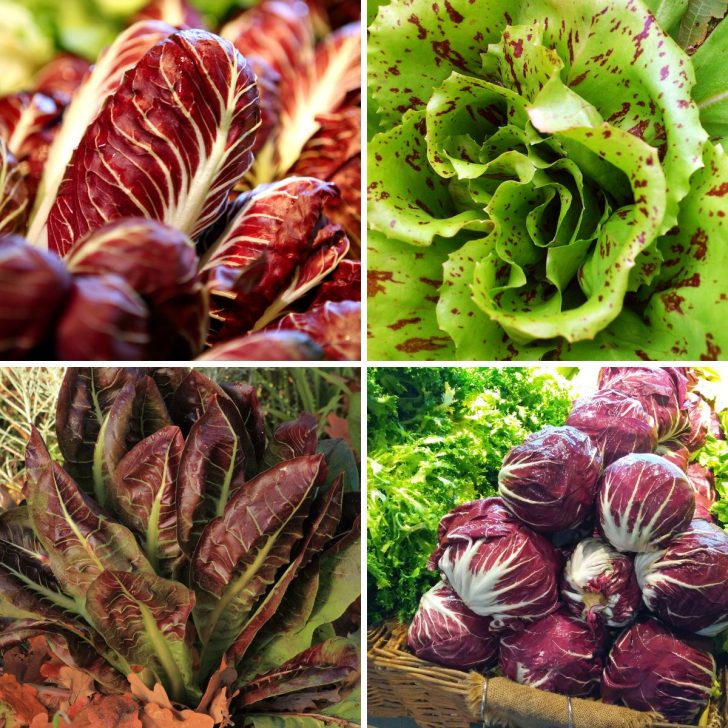
Growing radicchio as a perennial vegetable is easy, rewarding and — as with all perennials — is the gift that keeps on giving. Plant it once, then watch it grow on and on.
High in zinc, copper and vitamin K, Radicchio is a perennial leafy vegetable known for pleasantly contrasting zing of bitter, plus the attractive red to purplish color it imparts to salads and other dishes.
Radicchio (Cichorium intybus var. foliosum), is a leafy vegetable, most often used in salads, with a bitter taste and vibrant reddish-purple color. However, there are many other ways to enjoy radicchio, by grilling, sauteing, roasting, and added to soups.
A member of the endive and chicory family, radicchio is also known as Italian chicory, and — like chicory, (Cichorium intybus) — the roots can also be used as a coffee substitute. However, that isn’t considered the best use of radicchio roots as compared to other options like common chicory and dandelion.
Plus harvesting the roots will compromise your perennials, so if you wish to grow radicchio for its roots as well as its leaves, you’ll want to plant extra for that. It’s a similar issue in growing dandelion and other crops whose roots are also useful.
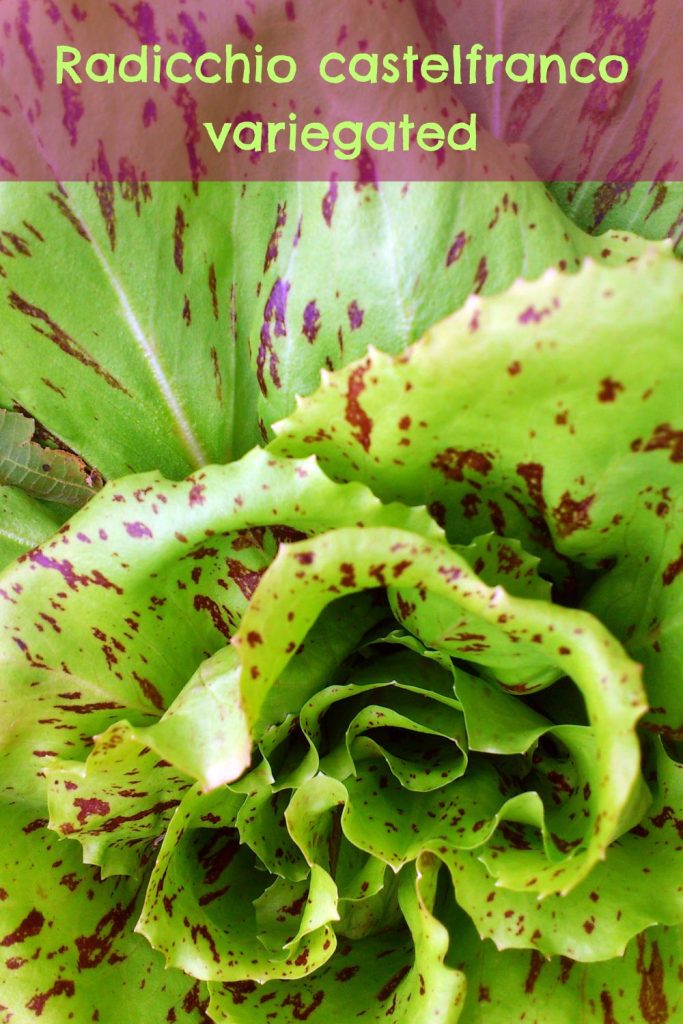
Growing Stages of Radicchio
Radicchio goes through several growing stages. From seed germination to harvest, here’s an overview of these stages:
- Seed germination: 7-14 days, moist, 65-75°F (18-24°C); start 5 weeks before last frost date.
- Seedling stage: Sprout (germination), to cotyledons (2 round leaves); then true leaves
- Transplanting: At 3-4″ inches tall, with 2-4 true leaves
- Vegetative growth: After transplanting, foliage growth ensues for several weeks
- Heading: Starts forming heads, either round like small cabbages, or oblong, like bok choy
- Harvesting: Ready to harvest between 75-90 days after planting, depending on the variety
Keep in mind that growing stages can vary depending on factors such as climate, variety, and growing conditions. Always refer to the specific instructions provided by the seed supplier for optimal results.
This primer on growing radicchio, which is relatively easy to grow, should get you going with your planning and growing.
When to Plant Radicchio?
Radicchios favors cooler weather with temperatures between 60-65°F (15-18°C). It will become dormant and possibly wilt if freezing, and it will bolt (produce flowers and seeds but fewer leaves) if exposed to high temperatures for extended periods.
Naturally, exact planting dates depends on your climatic zone. So for any timing we provide, adjust upward or downward to align with the recommendations for your area.
In general, radicchio is planted in the coolness of spring before summer heat sets in, and the coolness of fall before the winter freeze.

Spring Planted Radicchio
You can plant radicchio seedlings in the ground in a late winter or early spring, after your last frost for a late spring to early summer harvest. Or, you can plant them as soon as the soil is workable, and supplement to protect them with frost covers.
Fall Planted Radicchio
Some say the best radicchio harvest is the fall crop. Plant seedlings in August for an October harvest (or adjust according to your hardiness zone. Harvest before first freeze, or leave to grow on under row covers until harvest ready.
When to Plant and Harvest Radicchio by USDA Hardiness Zone
The USDA Hardiness Zones provide a helpful guide for determining the best planting times for various plants, including radicchio, based on average annual minimum winter temperatures. Radicchio is a cool-season crop that grows best in temperatures between 60-65°F (15-18°C).
General Guidelines for Planting and Harvesting Radicchio by Growing Zone
Allow radicchio approximately 85-100 days (for an average 3 months) of growing time after transplanting the seedlings outdoors.
| ZONES | SPRING PLANTING | SPRING HARVEST | FALL PLANTING | FALL HARVEST |
| 3-4 | late April to early May | late June to mid-July | mid-July to early August | late September to October |
| 5-6 | mid April to early May | late June to early July | late June to mid-July | late September to mid-October |
| 7-8 | late February to mid March | late May to early June | late August to early September | late November to December |
| 9-10 | mid January to mid February | April to May | late September to October | December to January |
Planting and Harvesting Radicchio by USDA Hardiness Zones
ZONES 3-4
PLANTING:
- Spring Planting: Start seeds indoors 6-8 weeks before the last frost date (typically around late April to early May). Transplant seedlings outdoors after the last frost and once they have been hardened off.
- Fall Planting: Direct sow seeds in the garden or start seeds indoors around mid-July to early August.
HARVEST:
- Spring Harvest: Harvest radicchio approximately 85-100 days after transplanting the seedlings outdoors, usually in late June to mid-July.
- Fall Harvest: Harvest radicchio approximately 85-100 days after sowing seeds or transplanting seedlings, usually in late September to October.
ZONES 5-6
PLANTING:
- Spring Planting: Start seeds indoors 6-8 weeks before the last frost date (typically around mid-April to early May). Transplant seedlings outdoors after the last frost and once they have been hardened off.
- Fall Planting: Direct sow seeds in the garden or start seeds indoors around late June to mid-July.
HARVEST:
- Spring Harvest: Harvest radicchio approximately 85-100 days after transplanting the seedlings outdoors, usually in late June to early July.
- Fall Harvest: Harvest radicchio approximately 85-100 days after sowing seeds or transplanting seedlings, usually in late September to mid-October.
ZONES 7-8:
PLANTING –
- Spring Planting Start seeds indoors 6-8 weeks before the last frost date (typically around late February to mid-March). Transplant seedlings outdoors after the last frost and once they have been hardened off.
- Fall Planting: Direct sow seeds in the garden or start seeds indoors around late August to early September.
HARVEST –
- Spring Harvest: Harvest radicchio approximately 85-100 days after transplanting the seedlings outdoors, usually in late May to early June.
- Fall Harvest: Harvest radicchio approximately 85-100 days after sowing seeds or transplanting seedlings, usually in late November to December.
We’re in zone 7a and our radicchio has grown year round during the recent years of milder winters, but the best harvests are still spring and fall.
ZONES 9-10:
PLANTING –
- Spring Planting: Early planting in warmer zones, from around mid January to mid February as a winter crop in zones 9-10. But be prepared for the possible need to use frost covers in the case of a hard freeze.
- Fall Planting: Direct sow seeds in the garden or start seeds indoors around late September to October.
HARVEST –
- Spring Harvest: April to May. You may need to cover with shade cloth if it’s too warm before harvest time in to reduce the risk of bolting. Optionally, you can grow under shade plants or trees to help it weather early heat.
- Fall Harvest: Harvest radicchio approximately 85-100 days after sowing seeds or transplanting seedlings, usually in December to January.
These planting and harvest times are general guidelines toward helping you plan. You may need to be adjusted based on your specific location, microclimate, and growing conditions.
Your local extension service or gardening centers can help you fine tune your planting calendar tailored to your region. You can also use the specific information on your seed packets or online seed companies and catalogs.
How to Tell When Radicchio is Ready to Harvest
Radicchio is typically ready to harvest when the heads are firm and have developed their characteristic color.
Keep a close eye on your radicchio plants and harvest when the heads are firm and have reached their desired color. It’s better to harvest radicchio slightly early than too late, as the leaves can become more bitter over time.
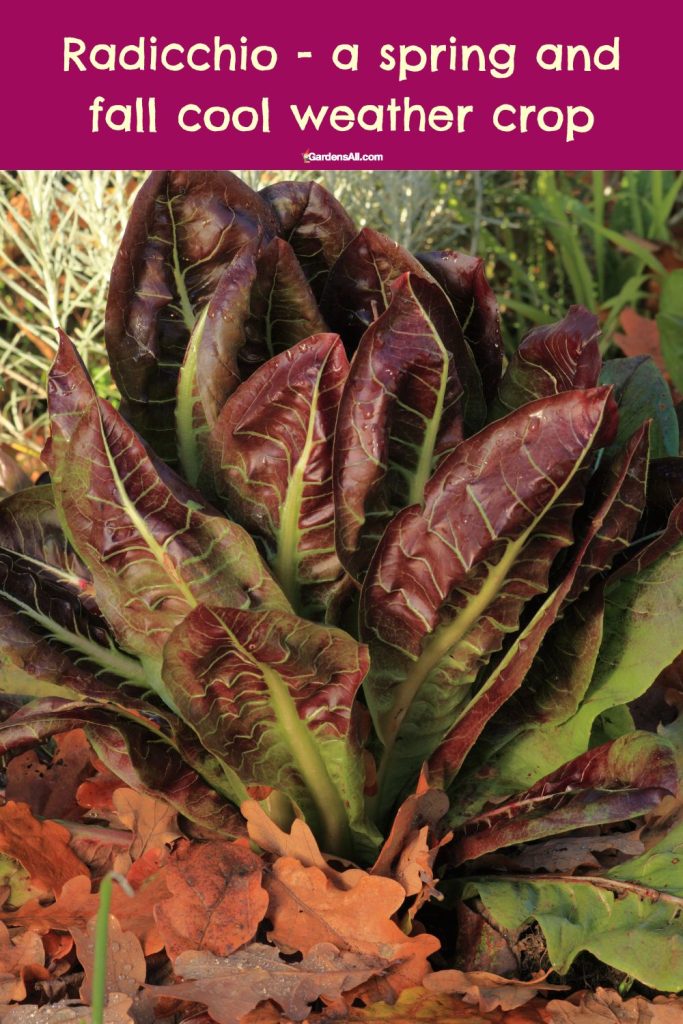
How to Grow Radicchio
- SELECT A VARIETY: Select a radicchio variety that is suitable for your climate and growing conditions. Some popular varieties include ‘Rossa di Treviso’, ‘Palla Rossa’, and ‘Chioggia’.
- CHOOSE A LOCATION: Radicchio prefers a sunny location with well-draining, moist, fertile soil. However, it can tolerate some shade, especially in hotter climates and in summer.
- PREPARE THE SOIL: Prepare the planting area by digging in some organic matter like organic compost or well-seasoned manure. This will improve soil fertility and drainage. Radicchio prefers slightly acidic to neutral soil with a pH between 6.0 and 7.0.
- PLANTING RADICCHIO &ndash