

Nature’s Own Pest Control
Recently, a reader mentioned that she had spider mite problems afflicting her plants indoors and out. So that problem sent us into the research on spider mite predators.
Spider mites (Tetranychus urticae), are a common pest problem for gardeners and farmers worldwide, as well as for plant lovers with houseplants. These tiny arachnids can severely damage or even kill plants by sucking the chlorophyll out of their leaves.
Although chemical pesticides can be effective against spider mites, they can also harm beneficial insects, disrupt ecosystems, and lead to pesticide-resistant mite populations. A more sustainable and environmentally friendly alternative is biological control, using natural predators to keep spider mite populations in check.
Below, we explore some of the most effective spider mite predators and how they can be used in pest management strategies.
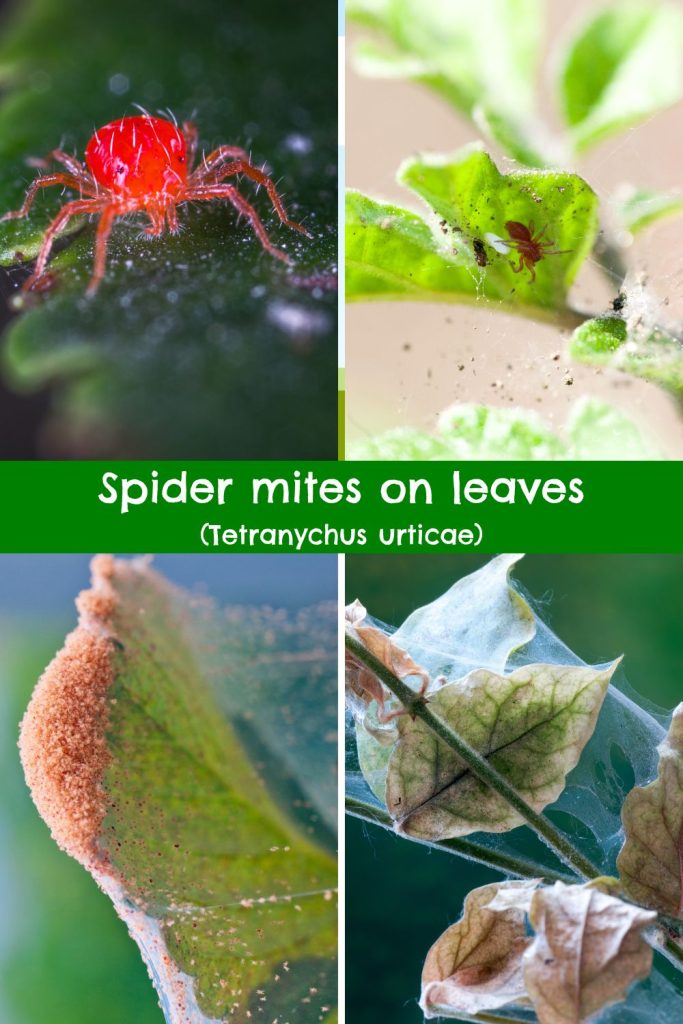
Phytoseiulus persimilis, AKA Persimilis Mite
Phytoseiulus persimilis is a species of predatory mite that is highly specialized in hunting spider mites. Native to the tropics but bred worldwide for biological control, these mites feed exclusively on spider mites and can consume up to 20 spider mites (or 200 of their eggs) per day. They are most effective in warm, humid conditions and are widely available for purchase from biocontrol suppliers and from Amazon.
Other Pests Targeted by Phytoseiulus persimilis
Phytoseiulus persimilis is a specialist predator, meaning it primarily feeds on spider mites and their eggs. In the absence of spider mites, P. persimilis might consume other mite species, although they are not known to feed on or control other pests.
Recommended Release Rates for Phytoseiulus persimilis
The recommended release rate for Phytoseiulus persimilis varies depending on the severity of the spider mite infestation. For preventative control, apply 1-2 mites per square foot. For mild to moderate infestations, apply 2-4 mites per square foot. In severe cases, you may need to apply up to 10 mites per square foot. Regular releases are more effective than a single large release.

Neoseiulus californicus, AKA Californicus Mite or California Predatory Mite
Neoseiulus californicus, another species of predatory mite, is more tolerant of various environmental conditions than P. persimilis, making it a more flexible option for spider mite control. While it does consume spider mites, it can also subsist on pollen and other small arthropods, allowing it to survive when spider mite populations are low.
Other Pests Targeted by Neoseiulus californicus
In addition to spider mites, Neoseiulus californicus will also feed on other types of mites, and can even consume small insects and pollen, making it a more generalist predator.
Recommended Release Rates for Neoseiulus californicus
For preventative measures, release around 1-2 Neoseiulus californicus mites per square foot. For light to moderate infestations, release 2-5 mites per square foot. In cases of severe infestations, it may be necessary to release up to 10 mites per square foot. Remember, multiple releases over time can enhance effectiveness.

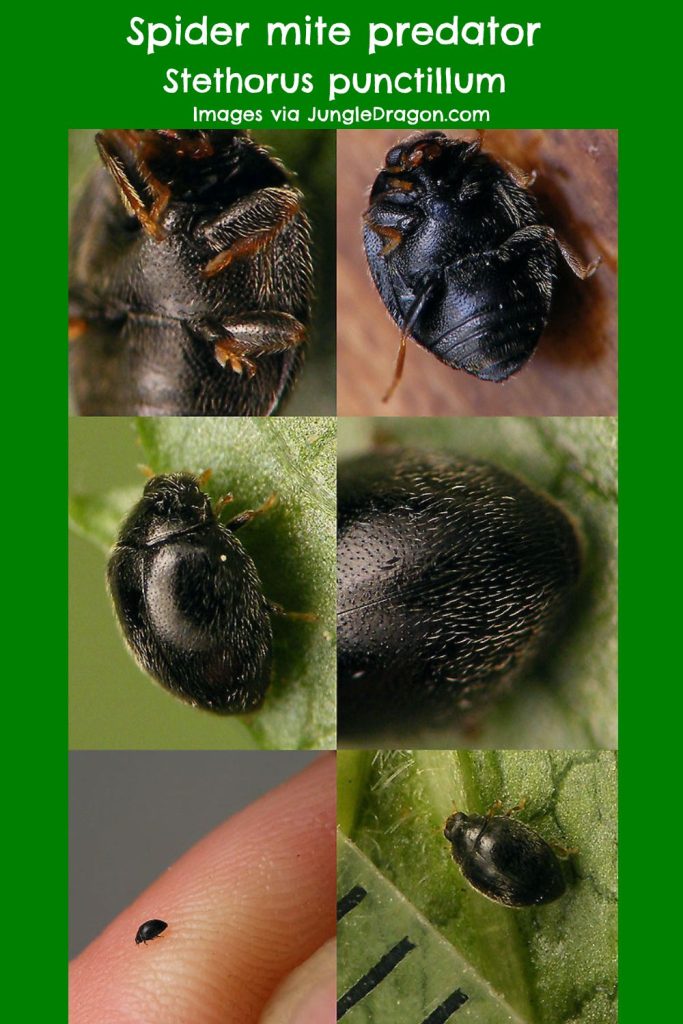
Stethorus punctillum, AKA Spider Mite Destroyer or Spider Mite Ladybeetle.
Stethorus punctillum, a type of lady beetle, is another valuable predator of spider mites. Both adults and larvae feed on spider mites, with larvae able to consume dozens of mites each day. These beetles are particularly useful in larger outdoor settings, such as orchards or large gardens, where they can fly from plant to plant in search of prey.
Other Pests of Stethorus punctillum
Although Stethorus punctillum primarily feeds on spider mites, they can also consume other types of mites if their primary food source is not available.
Recommended Release Rates for Stethorus punctillum
Release rates for Stethorus punctillum are typically around 100 beetles per tree, or 10-50 beetles per plant for smaller plants. The exact number depends on the size of the plant and the severity of the infestation.
Orius insidiosus, AKA Insidious Flower Bug or Minute Pirate Bug
Also known as the minute pirate bug, Orius insidiosus is a generalist predator that feeds on many types of small arthropods, including spider mites. While not as effective at controlling large infestations as some of the more specialized predators, they can help maintain low spider mite populations and contribute to overall pest control.
Other Pests of Orius insidiosus
Orius insidiosus is a generalist predator, meaning it can feed on a variety of pests, including thrips, mites, aphids, small caterpillars, and eggs of various insects.
Recommended Release Rates for Orius insidiosus
For preventative control in greenhouses, release 1 Orius insidiosus per 10 square feet weekly for 3-4 weeks. For heavy thrips or spider mite infestations, release 1 bug per square foot weekly until control is achieved.

Six-Spotted Thrips
Six-spotted thrips (Scolothrips sexmaculatus) are tiny insects that feed on various mite species, including spider mites. They can be particularly useful in greenhouse settings, where their small size allows them to access parts of the plant that larger predators might not be able to reach.
Other Pests of Six-Spotted Thrips
While six-spotted thrips primarily prey on mites, they can also feed on small insects such as aphids and whiteflies.
Recommended Release Rates for Six-Spotted Thrips

For six-spotted thrips, a general guideline is to release about 100 thrips per heavily infested plant or 1,000-2,000 per tree. Again, multiple releases are more beneficial than a single large release, and the exact rate will depend on the specific conditions in your garden or field.
Utilizing Spider Mite Predators in Pest Management
Introducing these predators into your garden or farm can be an effective way to control spider mite populations, but it’s essential to consider the specific needs and behaviors of each species. For example, some predators might not thrive in certain environmental conditions, or they might require alternative food sources to sustain their populations when spider mites are scarce.
It’s also important to remember that biological control is just one part of integrated pest management (IPM). Other strategies, such as selecting resistant plant varieties, proper watering and fertilization, and regular monitoring for pests, are also crucial for maintaining plant health and preventing infestations.
Can You Use Spider Mite Predators at Home for Indoor Plants?
Yes, spider mite predators can be used for indoor plants.
In winter, we bring our dwarf Meyer lemon plants indoors where pests, absence of predators, can quickly become an issue. So when our Meyer lemon leaves started turning yellow, we looked closer and found spider mites, which is a common indoor and outdoor pest.
Once outdoors, the natural predators take care of most problems. So we wanted to know more about spider mite predators for indoor use as well.
Once outdoors, the natural pest predators take care of most problems.
Spider Mite Predators Suitable for Indoor Plants
- Phytoseiulus persimilis: AKA “Persimilis mite”, this predatory mite is highly effective at controlling spider mites and can be used indoors. However, they require higher humidity (greater than 60%) and temperatures (20-27°C or 68-81°F) to thrive. [See images above].
- Neoseiulus californicus: AKA “California predatory mite”, this predator is more adaptable to various conditions and can be used in indoor settings. They can survive on lower spider mite populations, or even on pollen in the absence of spider mites, making them suitable for preventive applications, indoors and out. [See images above].
- Amblyseius andersoni: AKA “Andersoni mite”, this predatory mite is also effective against spider mites and is tolerant of a wide range of temperatures and humidity levels. This adaptability makes them suitable for use indoors.
- Feltiella acarisuga: AKA “spider mite gall midge”, this is a predatory midge whose larvae feed on spider mites. They are suitable for use in greenhouses and indoor plants.
Remember, biological control agents need appropriate conditions to establish and exert effective control over pest populations. It’s also important to avoid using chemical pesticides, as these can harm predatory mites and other beneficial organisms. Always check the compatibility of biocontrol agents with any products used for plant maintenance.
Releasing spider mite predators in an indoor home environment is generally safe and beneficial, but there are a few potential concerns to keep in mind.
Potential Problems Using Spider Mite Predators for Indoor Plants Pest Control
- Incompatibility with Pesticides: If you’ve recently used chemical pesticides on your plants, these can harm or kill beneficial predatory mites. It’s essential to wait a suitable amount of time after pesticide application before introducing predators, and you should avoid using pesticides once predators are present.
- Environmental Conditions: Predatory mites and other beneficial organisms need specific conditions to thrive. For instance, certain predators require high humidity or specific temperature ranges. If your home environment does not meet these requirements, the predators may not survive or reproduce effectively.
- Insufficient Prey: If spider mite populations are too low, certain predators may not have enough food to survive. Some predatory mites can subsist on pollen or other pests, but others, like Phytoseiulus persimilis, are specialist predators that primarily feed on spider mites.
- Perception Issues: Although beneficial predators do not harm humans or pets, some people might be uncomfortable with the idea of intentionally introducing bugs into their homes. However, these organisms are a part of a natural part of a healthy plant ecosystem. Releasing the minimum recommended amount on your affected plants is effective and harmless in the home in moderation .
- Dispersal: Some beneficial organisms may disperse from the release site, especially if prey is scarce. They may end up in areas where they are not desired or where they may not find sufficient food.
In general, as long as you consider these factors and carefully follow the instructions provided by the supplier of your biological control agents, you can effectively use spider mite predators to protect your indoor plants from pests.
Can Spider Mite Predators Become Their Own Infestation Problem?
And lastly, we wanted to know if there’s any risk of any of these spider mite predators becoming their own infestation problem inside the home or garden. Our research indicated that to be highly unlikely.
Generally, the risk of predatory mites and insects used for biological control becoming an infestation problem is very low. These beneficial organisms are chosen for their specific traits that make them effective against pests without becoming pests themselves. Here are a few reasons why:
Reasons Spider Mite Pest Predators – Unlikely to Become Problematic
- Specialized Diets: Many predatory mites and insects have specialized diets. They primarily feed on specific pests (like spider mites) and do not damage plants or other materials in the home.
- Population Regulation: The populations of these predators are typically self-regulating. Their numbers increase when prey is abundant and decrease when prey is scarce. Once the spider mite infestation is under control, the predator population usually diminishes.
- Non-Invasive: These predators are typically non-invasive and are unlikely to spread or become a nuisance in the home. They are usually small, not noticeable, and do not bite or sting humans or pets.
- Environmental Adaptation: Many of these predators are not well adapted to survive without their specific prey and the right environmental conditions. For example, the majority of predatory mites prefer high humidity, which is not usually found in most indoor home environments.
Despite these factors, it’s always essential to follow the supplier’s instructions when introducing any biological control agent. This ensures that they are used effectively and responsibly.
Where to Buy Spider Mite Predators
Availability can vary, so you’ll need to check with these suppliers directly to confirm whether they currently carry the specific predatory mites you are interested in. Here are some providers of biological pest control solutions where you could potentially find these predatory mites.
Spider Mite Predator Sellers Include
- Amazon: You can find many of the pest predators from multiple sellers on Amazon.
- Arbico Organics: A provider of natural products for home, business, garden, lawn, farm & pets. Products include beneficial insects, natural pest control, organic fertilizers, and more.
- GreenMethods.com (Beneficial Insectary): This is another major supplier of beneficial insects, mites, and nematodes in North America.
- Nature’s Good Guys (Formerly Known as Bug Sales): A supplier of live beneficial bugs, such as ladybugs and predatory mites.
Conclusion
Whenever possible, we prefer to harness the power of natural predators to control yard and garden pests as an environmentally friendly and sustainable alternative to chemical pesticides.
While natural methods of pest control such as spider mite predators may seem to take more time than just spraying chemical pesticides, it’s worth doing. Working in accordance with nature is the best overall approach toward establishing a healthier garden ecosystem for healthier plants and produce.


I’m LeAura Alderson, a garden, herb and plant enthusiast with a passion for discovering the many edible and medicinal benefits of the plants all around us, including the weeds, while transforming the land through regenerative permaculture practice. I am also a writer, editor and media publisher (now mostly retired due to replacement by AI), but which now allows more time to build our regenerative permaculture homestead farm.
References