
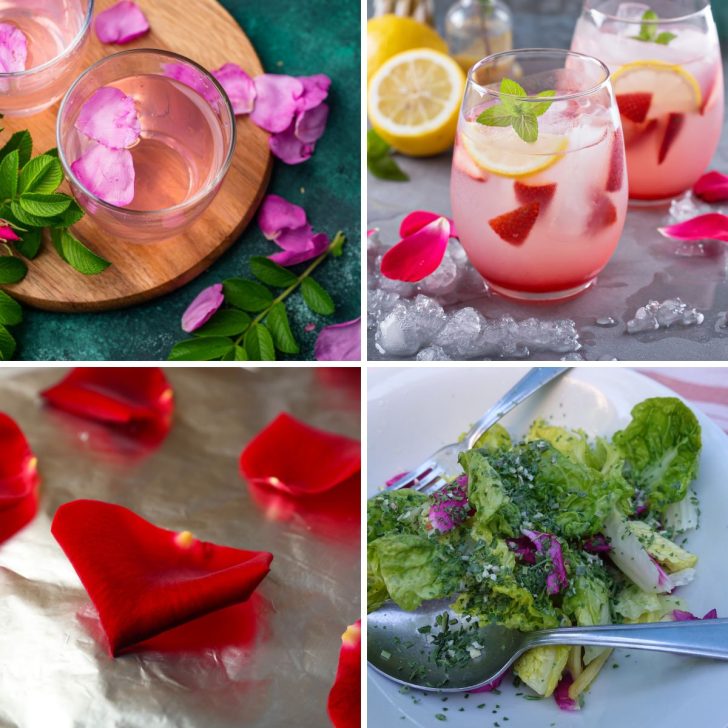
Roses, with their beguiling fragrance and timeless beauty, have adorned gardens, homes, cosmetics, specialty foods and ceremonies for centuries. From rose-flavored desserts to aromatic teas, the use of this beloved flower in cuisine is a testament to its versatility. But are all roses edible? Let’s leaf through the petals of this!
A Brief History of Edible Roses
Throughout history, roses have been consumed for both culinary and medicinal purposes. Ancient civilizations, including the Romans, were known to use rose petals in various dishes. The practice continued through the Middle Ages and found its way into various cultures, involving various rose uses such as rose petal jam, rose water, and rose-infused desserts.
But…
Are All Roses Edible?
The general consensus is yes, all roses are technically edible. However, the level of palatability can vary widely among different species and varieties. The petals are the most commonly consumed part of the rose.
When eaten, many describe the taste as subtle and slightly sweet, and well… roses taste like they smell… rosey with a hint of soap. However that’s likely more an imprint based on familiar uses, since most of us are likely more used to smelling rose fragrance in soaps and cosmetic products rather than food.
But once beyond that conditioning, roses prepared well in dishes immediately provide a cultured culinary flare that becomes recognized as a special dish to savor.
The Edible Parts of Rose Plants
While most culinary enthusiasts focus on the petals, roses offer more than just their soft, fragrant blooms when it comes to edibility. Several parts of the rose plant can be utilized in cooking and herbal preparations
Edible Roses
- Buds: Rose buds can be harvested just before they open, dried, and then used to make teas. They offer a subtler flavor compared to fully bloomed petals and are highly prized in some tea traditions
- Calyx & Sepals: the sepals can be consumed, but their flavor and texture tend to be less fragrant and flavorful than the petals and impart a stronger vegetal or herbaceous flavor pungency.
- Hips: Rose hips are the fruit of the rose plant, that appear after the flowers have bloomed and faded away. Rose hips are typically red or orange, but depending on the variety, they can also be purple or even black. They’re known for their high vitamin C content and are often used to make jellies, jams, syrups, teas, and even soups. Before consuming, it’s essential to remove the inner hairy seeds, as they can be irritating.
- Leaves: While not as commonly consumed as the petals or hips, young, tender rose leaves can be added to salads or used as a garnish. They have a subtle flavor and can provide a unique texture to dishes, just be sure to use the leaves and not any thorny stems!
- Petals: As previously discussed, petals are the most popular part consumed for their flavor, fragrance and color. They can be used fresh, dried, or distilled.
- Roots: In traditional herbalism, particularly in Traditional Chinese Medicine (TCM), rose roots have been used for their medicinal properties for millenia. While not a typical ingredient in mainstream cuisine, some believe they can help alleviate various ailments when prepared correctly.[1]https://www.whiterabbitinstituteofhealing.com/herbs/rose/
As with any plant, individual reactions can vary, so it’s advisable to start with small amounts if you’re introducing rose-based foods into your diet for the first time.
Pesticides and Chemicals
While roses may be naturally edible, many commercially grown roses are treated with pesticides and other chemicals that can be harmful if ingested. It’s essential to source roses specifically grown for consumption or ensure they are organic and free from any chemical treatments.
What Do Rose Petals Taste Like?
- Darker Rose Petals: The deep colors of reds and pinks tend to have a more robust flavor.
- Fragrant Roses: Those with a stronger scent, typically also have the best flavor.
- Base of the Petals: The white (or sometimes yellowish or slightly greenish) base of a rose petal, called the “claw”, is where the petal attaches to the receptacle of the flower. These are bitter and so are typically torn or cut away from the petal to remove before using the petals.
The petals and are the most commonly consumed part of the rose.
See also Fiesta hibiscus – beauty with benefits.
Health Benefits
Roses are not just about beauty and taste; they also come packed with vitamins, minerals, and antioxidants. Specifically, they contain vitamin C, polyphenols, and other beneficial compounds that can aid digestion, soothe the skin, and provide anti-inflammatory benefits.
What Are the Best Edible Roses?
There are numerous rose varieties, and while technically all roses are edible, some are more favored for their taste, aroma, and culinary applications. Here are some of the most popular edible roses:
- Rosa rugosa: Often referred to as the “beach rose” or “Japanese rose”, it is not only renowned for its lovely blooms but also for its large, flavorful rose hips that are used for jellies, teas, and other culinary creations.
See also, Rugosa Rose benefits. - Damask Roses (Rosa damascena): Particularly valued for their fragrant petals, Damask roses are often used to make rose water, a common ingredient in Middle Eastern and South Asian cuisines.
- Old Garden Roses: This category includes several vintage varieties that have been cultivated for centuries. Examples include the Bourbon, Alba, and Centifolia roses. They are often fragrant and have been used in culinary applications for a long time.
- Parfum de Grasse: A fragrant variety that’s ideal for cooking due to its strong aroma and flavor.
- David Austin Roses: While primarily grown for ornamental purposes, many of the roses bred by David Austin have fragrant and flavorful petals suitable for culinary applications.
- Wild Roses: The native wild roses found in various parts of the world often have smaller but highly aromatic petals. Their rose hips are also popular for consumption.
- Apothecary’s Rose (Rosa gallica): Known for its deep pink or purplish-red color, it’s an old rose variety often linked to medicinal uses and has a rich history in culinary traditions.
- Musk Rose (Rosa moschata): As the name suggests, this rose has a musky scent. It has been used in traditional medicine and has edible petals and hips.

How to Select Culinary Roses
- It’s best to choose roses that have a strong, pleasant scent as this often indicates they will also have a good flavor.
- Always ensure the roses haven’t been treated with pesticides or chemicals. If possible, source roses specifically grown for consumption or ensure they are organic.
- The fresher the rose, the better. As roses begin to fade, their flavor can diminish.
Whether you’re garnishing a dish, brewing a pot of tea, or making jam, these rose varieties can add a touch of elegance and flavor to your culinary endeavors.
Rose Petals Edible Uses
There are myriad ways to bring the essence of roses into your culinary creations:
- Water: An aromatic liquid made by distilling rose petals, rose water is traditionally used in Middle Eastern, North African, and South Asian cuisines, especially in desserts.
- Jam: A sweet preserve that encapsulates the subtle floral essence of this elegant flower, rose petal jam add a sweet touch to special occasions and as gifts.
- Tea: Either pure rose petals or blended with other teas, and/or rose leaves for a mildly scented pleasing floral rose tea.
- Garnish: Fresh rose petals can be used to garnish salads, desserts, and drinks.
Incorporating various parts of the rose plant into your culinary endeavors can expand the palate and provide a broader spectrum of nutrients and flavors, truly celebrating all the gifts of this famed flower.

I’m LeAura Alderson, a garden, herb and plant enthusiast with a passion for discovering the many edible and medicinal benefits of the plants all around us, including the weeds, while transforming the land through regenerative permaculture practice. I am also a writer, editor and media publisher (now mostly retired due to replacement by AI), but which now allows more time to build our regenerative permaculture homestead farm.
References