

What is Tincture?
Herbal tinctures are concentrated herbal extracts typically made by soaking herbs in some form of alcohol, although other mediums may be used. A super easy method for preserving the benefits and longevity of plants, this is a brief general guide on how to make tinctures from herbs.
How to Make Tincture: a Beginners Guide
Choosing the Right Plants for Your Needs
Fresh herbs are generally more potent, but dried herbs are also effective and easier to store. Consider the herb’s properties and the desired effect of the tincture.
Alcohol Selection
Alcohol acts as a solvent and preservative. Vodka is a popular choice due to its neutral flavor, but brandy and rum add their own distinct characteristics to tinctures. So long as the alcohol percentage is at least 40% is should be effective enough to extract the active compounds from plant matter.
You can find more on best alcohol for tinctures here.
Preparation of Herbs
- Fresh Herbs: Wash fresh herbs thoroughly and dry them to remove any moisture. Chop or grind them to increase the surface area for better extraction.
- Dried Herbs: For dried herbs, crushing them slightly is sufficient.
Jar Preparation and Filling
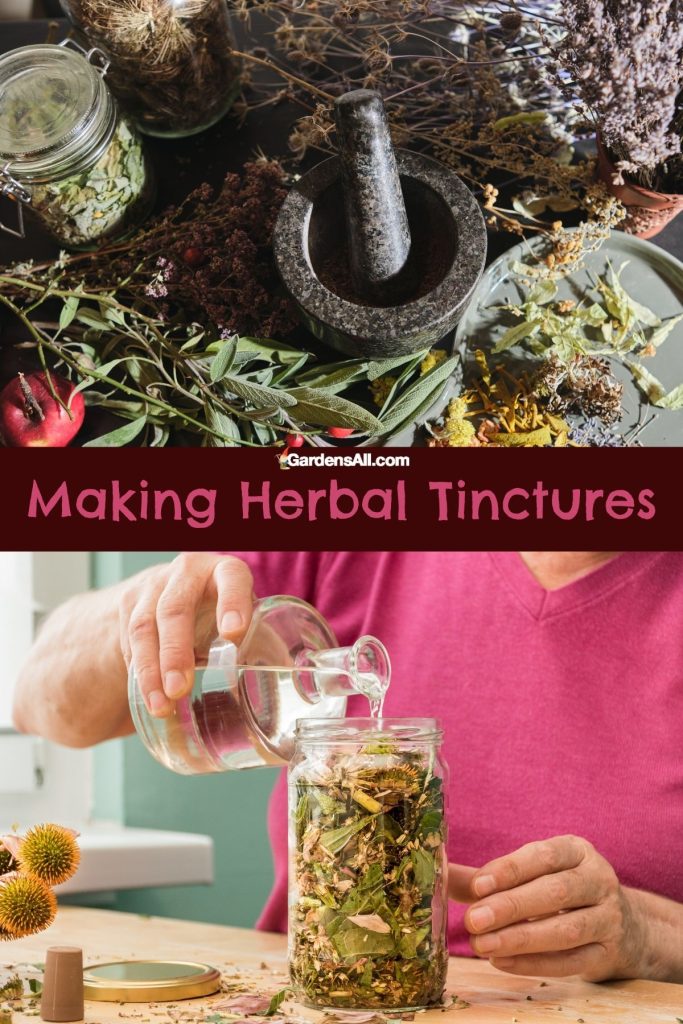
Choose a clean, dry jar. Fill it with herbs, but don’t pack them too tightly.
How Much Alcohol for Tinctures
- Fresh Herbs: 1:2 ratio of herb to alcohol
- Dried Herbs: 1:5 ratio of herb to alcohol
The herb-to-alcohol ratio is generally, a 1:2 ratio for of 1 part fresh herb to 2 parts alcohol. So that’s 1/2 cup fresh herb to 1 cup alcohol. For dried herbs it’s a 1:5 ratio, so 1 part dried herbs to 5 parts alcohol, such as 1/4 cup dried herb to 1 1/4 cups of alcohol.
Fresh vs Dried Herbs for Making Tinctures
The 1:5 ratio for dried herbs in tincture making is based on the differences in water content and volume between fresh and dried herbs. Let’s break it down:
- Water Content: Fresh herbs contain a significant amount of water, whereas dried herbs have had most of their moisture removed. This difference in water content affects how much alcohol is needed to effectively extract the active compounds from the herbs.
- Concentration of Active Compounds: When herbs are dried, the removal of water concentrates their active compounds. As a result, you need less dried herb compared to fresh herb to achieve the same potency in your tincture.
- Volume and Density: Dried herbs are more compact and dense than fresh herbs. In fresh herbs, the volume is partially taken up by water and air. Once dried, the herbs lose this volume, so a smaller amount of dried herb is needed to achieve the same level of medicinal properties.
- Absorption and Expansion: Dried herbs will absorb some of the alcohol and expand during the tincturing process. The 1:5 ratio ensures that there is enough alcohol to both saturate the herbs and remain as a solvent for the extraction process.
- Efficiency of Extraction: The higher ratio of alcohol in dried herb tinctures ensures that there is sufficient solvent to extract the active compounds efficiently. Since dried herbs are more potent, the higher volume of alcohol also helps in diluting the tincture to a manageable and safe potency.
So the 1:5 ratio for dried herbs in tincture making accounts for the reduced volume and increased potency of dried herbs compared to fresh herbs. This ratio ensures that the tincture is both effective and safe, with enough alcohol to properly extract and preserve the herbal constituents.
Best Lids to Use for Making Tinctures
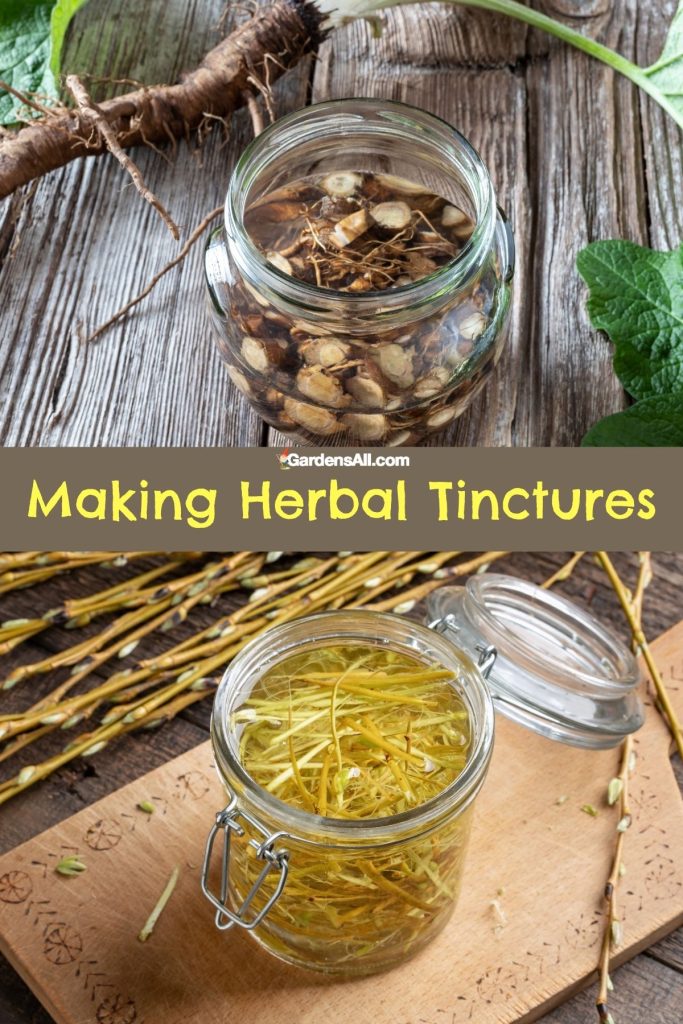
Most people use canning jars for infusing their tinctures. However, we try to avoid using metal canning lids as they can leach into the tincture. For that we’ve found plastic canning lids designed to work with the canning lid rim.
Alternately, you can use a cheesecloth cover with a rubber band or metal canning lid rim to keep the lid in place, however instead of shaking it, you can stir it with a clean stainless steel spoon. We like the long skinny barista style spoons for that.
The Infusion Process
Fill the jar with alcohol, ensuring all herbs are submerged. Store it in a dark, cool place for a month, or in a sunny window for a sun-infused tincture. Sunlight can enhance the extraction process, but it may also degrade some sensitive compounds.
Shaking the Jar
Shake the jar daily, especially if using weights to keep herbs submerged. If using cheesecloth, ensure it stays clean and dry, and consider using a clean barista spoon or butter knife to gently stir herbs instead of shaking the jar. You can then tap down any stray pieces to ensure they are submerged.
Straining the Tincture
After the infusion period, strain the tincture through a fine mesh or cheesecloth. Squeeze or press the herbs to extract as much liquid as possible.
Storage and Shelf Life
Store the strained tincture in amber bottles to protect from light. Tinctures can last for several years if stored properly.
Usage and Dosage
Dosage varies depending on the herb, the individual and the malady being remediated. Start with small amounts, like a few drops, and consult with a healthcare provider for specific advice.
Practical Tips
- If herbs rise above the alcohol level, add more alcohol or gently push them down.
- When shaking the jar with weights, you may need to remove the weights to shake and then replace them. In this case, be sure the weights are clean and non-reactive.
This comprehensive guide should provide a solid foundation for anyone interested in creating their own herbal tinctures, emphasizing safety, and encouraging exploration of this traditional practice.

I’m LeAura Alderson, a garden, herb and plant enthusiast with a passion for discovering the many edible and medicinal benefits of the plants all around us, including the weeds, while transforming the land through regenerative permaculture practice. I am also a writer, editor and media publisher (now mostly retired due to replacement by AI), but which now allows more time to build our regenerative permaculture homestead farm.