

Restoration, Regeneration, and Resilience
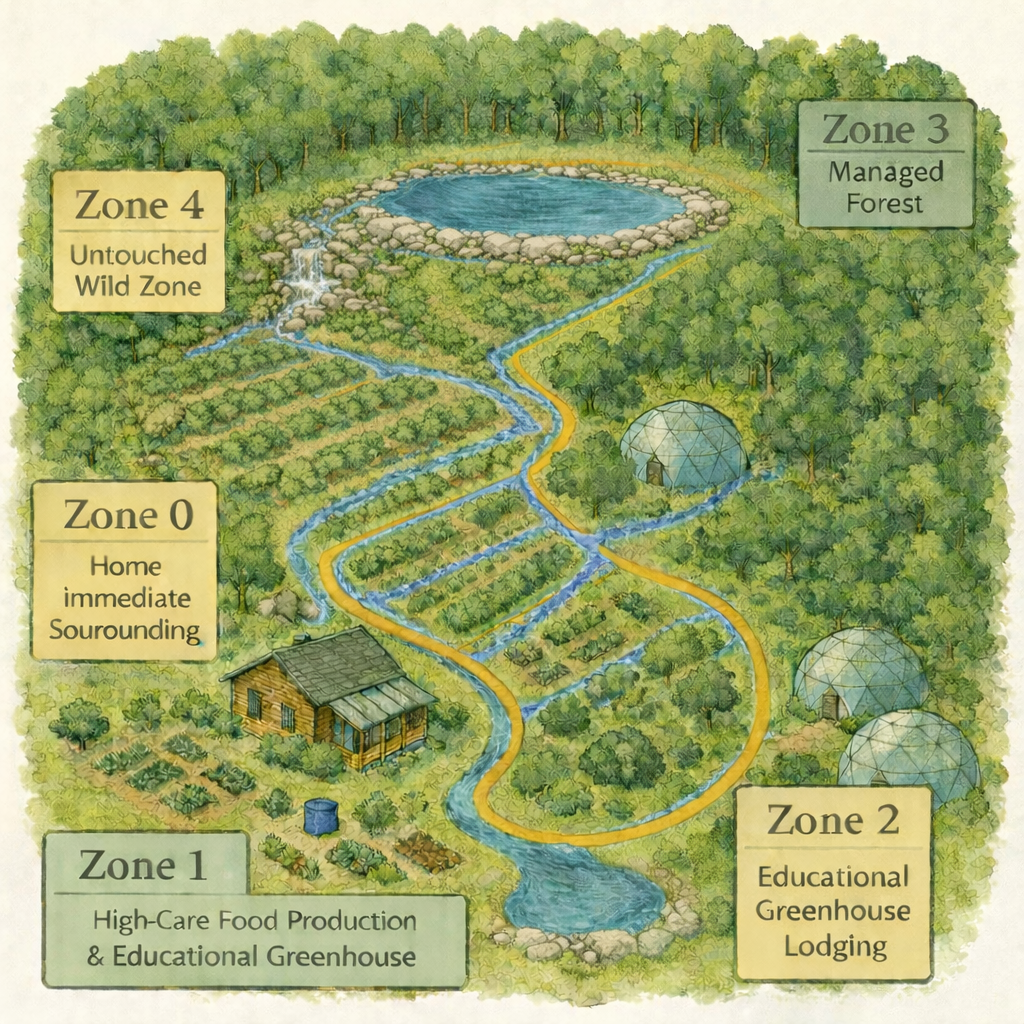
Like many people who love gardening, nature, and self-reliance, we began with a simple desire: to care for a piece of land in a way that restores life and generates an abundance of food for people, pollinators, and other wildlife, rather than depleting it. Towards that vision we are immersing in regenerative farming.
That intention has grown into what we now call our regenerative permaculture homestead—a living landscape designed to nourish soil, wildlife, people, and future generations.
This article shares our vision, plan, and progress so far, in the hope that it may inspire others walking a similar path.
Our Land and Setting
Our homestead is located in the foothills of Pilot Mountain, North Carolina, within USDA Zone 7a. The property includes roughly 50 acres of mostly wooded land, along with several open hillside areas that were previously cleared decades ago.
Some of these areas lost much of their topsoil during past clear-cutting and erosion. While that presents challenges, it also offers an opportunity to restore soil health and biodiversity through regenerative practices.
One of our most exciting features and ambitious opportunities, is a 10 acre hillside field with about a 17% slope, which we are transforming into a terraced permaculture system.
Rather than fighting the slope, we are designing with it.

Our Core Philosophy: Regeneration
Our approach is rooted in the principles of permaculture and regenerative land stewardship, which means we aim to:
- Build living soil rather than deplete it
- Cultivate symbiotic permaculture ecosystems
- Create water systems that strategically conserve and distribute rainwater
- Expand biodiversity and wildlife habitat, while also protecting crops
- Grow food in layered ecological systems that nurture soil, pollinators and people
- Cooperate with nature through natural and organic practices
In short, our goal is not simply to “farm” the land, but to heal and enrich it over time.
Designing With Water First
A central element of our plan is water management.
Healthy landscapes hold water in the soil rather than letting it run off. To accomplish this, we are designing a system of:
• Swales and terraces across the hillside
• Grassed pathways and planted waterway shoulders to slow erosion
• Berms for trees and beneficial plants
• A hilltop pond, well-fortified for wildlife and supplement water in dry spells
These features help rainwater soak into the soil slowly, where it can nourish trees, plants, and underground microbial life.
Over time, this kind of system can dramatically increase soil fertility and resilience.
Our Orchard and Food Systems
The terraced hillside will gradually become a permaculture orchard and food forest.
Rather than planting rows of a single crop, we are designing plant guilds, where different species support each other.
Examples include combinations of:
Fruit trees
Apples, pears, peaches, plums, persimmons
Berry shrubs
Elderberry, aronia, blueberries, raspberries
Support plants
Nitrogen fixers, pollinator flowers, dynamic accumulators
Ground covers and herbs
Living mulch to protect and feed the soil
This layered approach mimics natural forest systems while still producing abundant food and medicinal plants.
Wildlife and Pollinator Habitat
Another important goal of our homestead is supporting wildlife and pollinators.
Healthy ecosystems depend on insects, birds, and beneficial animals. We are actively working to increase habitat through:
- Pollinator gardens and native flowers
- Monarch butterfly host plants
- Wildlife water sources
- Berry and seed-producing shrubs
- Woodland conservation areas
- Wildlife corridors fortified with wildlife food plants
We are also exploring participation in conservation programs such as the Monarch Butterfly and Pollinator Habitat initiatives, which help landowners restore native ecosystems.
Natural Materials and Living Systems
Wherever possible, we prefer solutions that rely on biological systems rather than synthetic inputs.
Some examples include:
- Using compost and mulch instead of chemical fertilizers
- Encouraging soil fungi and microorganisms
- Planting deep-rooted species that pull nutrients from subsoil
- Integrating perennial plants that stabilize soil
Over time, these systems can become largely self-sustaining.
Our Vision Going Forward
While our current focus is restoring and developing our homestead, we also hold a longer-term vision.
We hope this land may eventually become an agritourism educational and demonstration site for regenerative living, where people can see:
- Permaculture orchard systems
- Pollinator and wildlife habitat restoration
- Terraced hillside farming
- Soil regenerative waterways
- Supplemental upper well and pond system, plus runoff and water catchment
- Sustainable gardening practices
- Attractive indoor and outdoor growing scenarios for suburban dwellers and HOAs.
We believe landscapes like this can serve as living classrooms, helping others learn how to grow food while restoring the earth.
Progress So Far
Like most homesteads, our progress comes step by step. Here’s a broad-stroke overview.
So far we have:
- Developed our preliminary permaculture design
- Identified stages and zones of development
- Identified most of the plants, trees and bushes to plant
- Identified deer-proof fencing area, linear feet requirements and estimated costs
- Researched waterway systems and swales for hillside farming
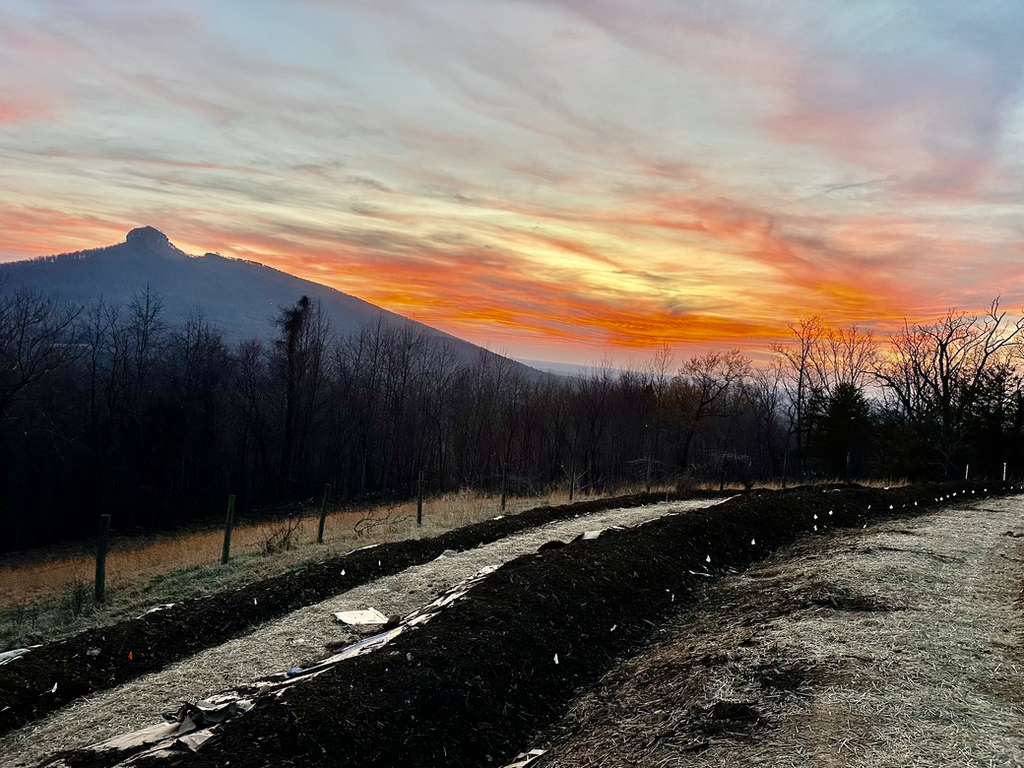
- Begun building terraced swales on our southwest facing slop
- Established wildlife habitat areas and wildlife corridors
- Started pollinator plantings
- Begun soil-building and observation of the land
Each season brings new lessons and improvements.
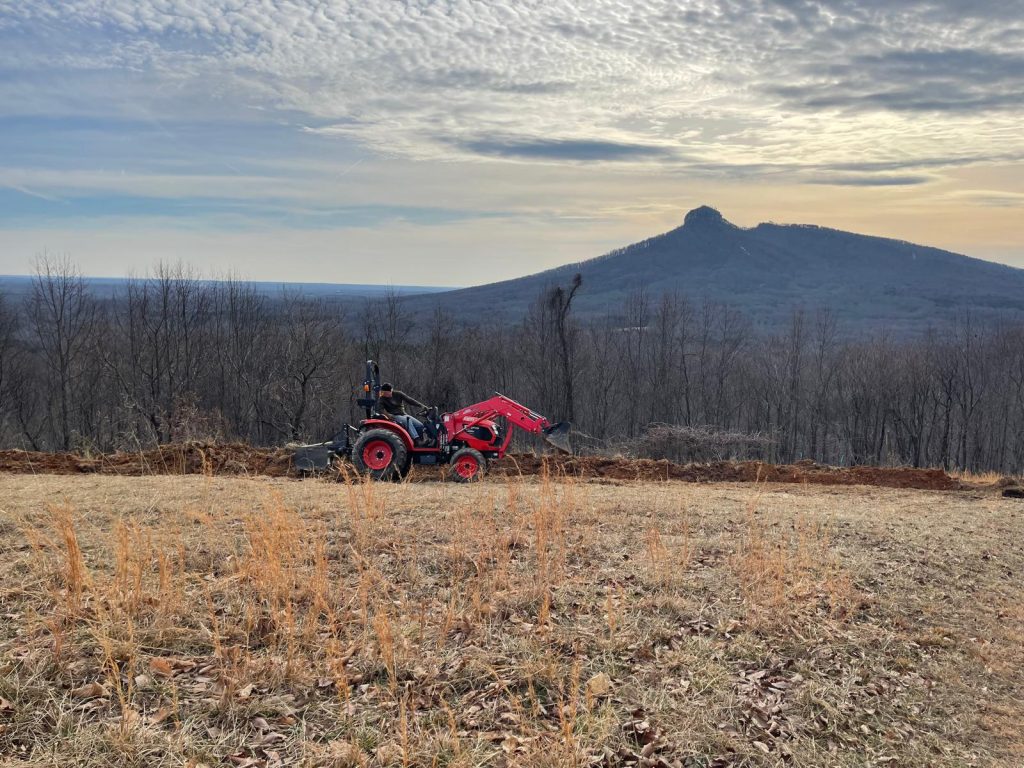
Permaculture teaches us that good design evolves over time, guided by observation, experience, and a readiness to adapt and modify.
Funding for This Project
As two baby boomers of retirement age, our vision is larger than our current budget, so we are currently applying for grants to help support this large project to fruition.
If you or anyone you know is passionate about contributing to regenerative farming practices, wildlife, conservation and restoration of natural habitats, please share this article with them, and they may contact us through Growers@GardensAll.com
Meanwhile, we will share about some of the government programs we are applying to for grants in another article.
Funding and Grant Opportunities for Regenerative Homesteads
Many regenerative land restoration and conservation projects in the United States may qualify for grants, cost‑share programs, or technical assistance through federal, state, and nonprofit initiatives. Because these programs are designed to improve soil health, water management, wildlife habitat, and sustainable agriculture, many permaculture and regenerative homestead projects naturally align with their goals.
If you’re developing a similar project, you may want to explore programs such as:
- NRCS EQIP (Environmental Quality Incentives Program) – Cost‑share funding for practices like fencing, water management, pollinator habitat, erosion control, and soil conservation.
- NRCS CSP (Conservation Stewardship Program) – Incentives for landowners already implementing conservation practices and looking to expand regenerative land stewardship.
- State Soil & Water Conservation District Programs – Many states offer additional grants or cost‑share support for erosion control, wildlife habitat, and water management.
- Pollinator Habitat Grants – Programs that support monarch butterflies, native pollinators, and beneficial insect habitat.
- Agroforestry and Tree‑Planting Initiatives – Funding for orchard establishment, windbreaks, riparian buffers, and forest restoration.
- Wildlife Habitat Restoration Grants – Opportunities through conservation organizations for projects that increase biodiversity and native habitat.
- Beginning Farmer & Sustainable Agriculture Grants – Programs designed to support regenerative farming and small‑scale agricultural innovation.
We will be publishing a more detailed guide soon explaining how we are exploring these funding opportunities and how other landowners may be able to apply for them as well.
A Journey, Not a Destination
Perhaps the most important thing we’ve learned is that regenerative homesteading is not a fixed plan—it’s an ongoing relationship with the land.
Every year the soil improves, the trees grow, and wildlife returns.
And every year we learn something new.
Our hope is that by sharing our experiences here on GardensAll.com, we can encourage others to take even small steps toward gardening and land stewardship that gives more back to the earth than it takes.
We are students of each day and co-creators along the way.
It’s not a quick and easy process, but it is a worthwhile journey to enjoy each day. By caring for the land and its ecosystem, it truly cares for us in return, and this barren land is becoming verdant and flourishing.
Coleman & LeAura Alderson are the founders of GardensAll.com and are developing a regenerative permaculture homestead in the foothills of Pilot Mountain, North Carolina. You may reach us at Growers@GardensAll.com

I’m LeAura Alderson, a garden, herb and plant enthusiast with a passion for discovering the many edible and medicinal benefits of the plants all around us, including the weeds, while transforming the land through regenerative permaculture practice. I am also a writer, editor and media publisher (now mostly retired due to replacement by AI), but which now allows more time to build our regenerative permaculture homestead farm.