Need More Gardening Space or a Mobile Garden?
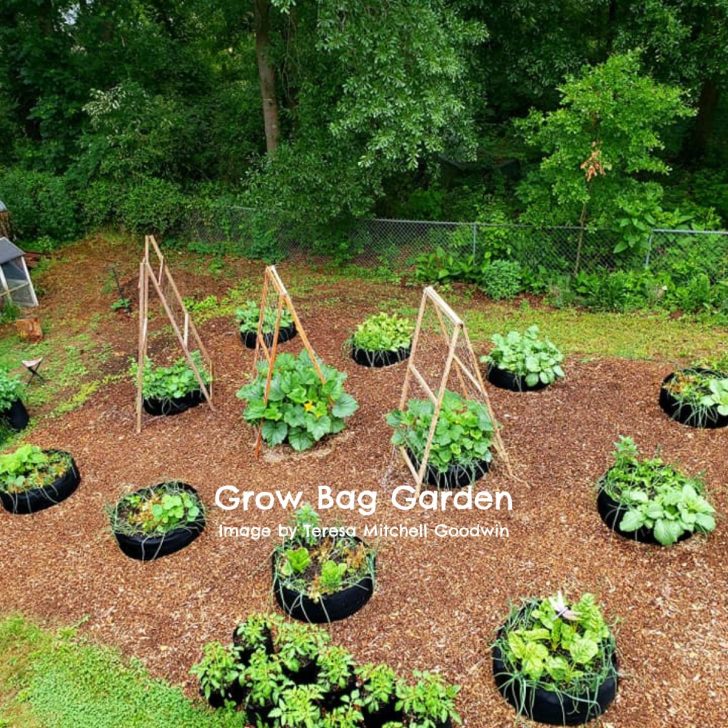
Grow bag gardening is a simple way to get started growing your own food or expand an existing garden space. You can use individual grow bags and also the grow bag fabric raised garden beds.
Gardeners love to plant things, whenever and wherever they can. We’ve seen plants in shoes and teacups, pallets and wine bottles, amongst many other creative receptacles. Folks who love to garden won’t let a shortage of space or soil to till stop them from gardening.
We’ve published several articles on unique ways to grow when space is an issue, such as plant towers, or cattle panels, planters and soil bag gardening, indoors and out. Or you can pour soil into a burlap or wheelbarrow for something with a little more rustic charm.
Where there’s a will, there’s a way to grow some of your own food, even if it’s starting with growing microgreens or sprouts, (and check out the difference between microgreens vs sprouts here).
Sources for Good Grow Bags
You can buy grow bags in all shapes and sizes, and there are also a number of free sources for grow bags.
- Burlap bags
- Conference bags / Shopping bags
- Feed sacks
- Grow bags you can buy
- Tote bags such as those used for:
- conference bags
- shopping bags
- Fabric raised grow bag garden beds are also available, such as pictured above
“I use the feed sacks from our chicken feed. Mine have held up for three years so far. Everything seems to grow well in them.”
~Bren Lieske
Deciding What to Grow in Grow Bags
Deciding what vegetables to grow, naturally depends on a number of factors, including what foods you love, what produce you buy most, and then — amongst those — which veggies will grow best in your hardiness zone.
Vegetables Good for Grow Bag Gardening
It would be easier to make a list of things you probably shouldn’t try growing in grow bags! The list of plants to grow in grow bags is huge, so this is just a start.
- Cucumbers
- Eggplant
- Greens, such as:
- chard
- kale
- salad – all kinds of salad greens
- Herbs, such as:
- basil
- cilantro
- oregano
- thyme
- parsley
- Peppers –
- chili peppers
- sweet peppers
- bell peppers
- marconi
- pepperoncini
- Potatoes, all kinds –
- potatoes, indeterminate varieties do best
- sweet potatoes
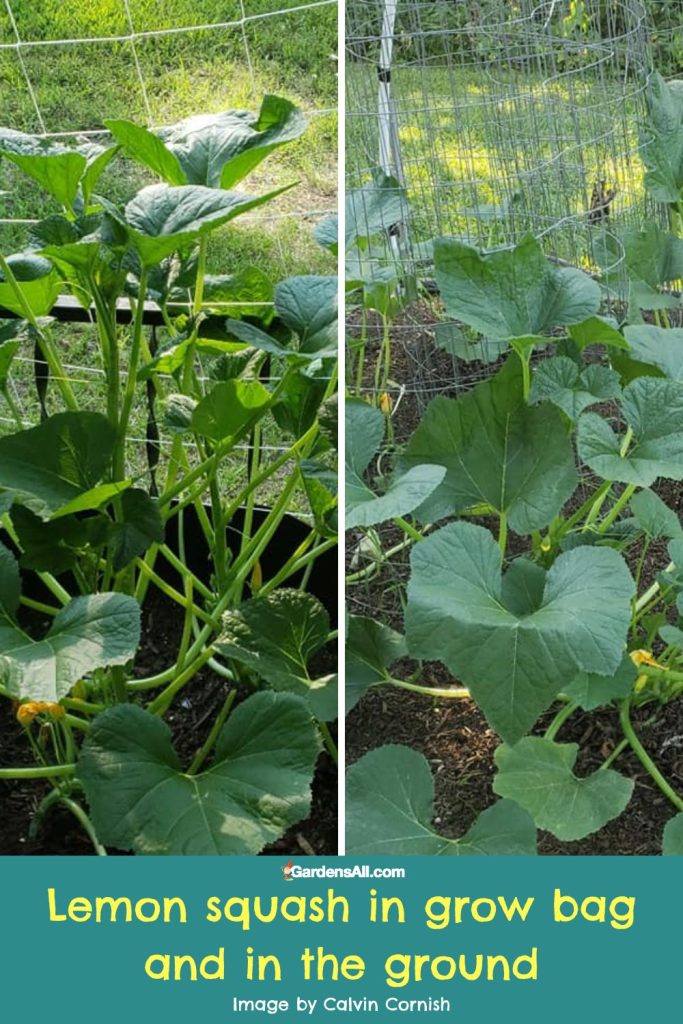
- Squash –
- summer squash
- zucchini
- Tomatoes, most varieties, including:
- cherry tomatoes
- roma tomatoes
- sandwich tomatoes