
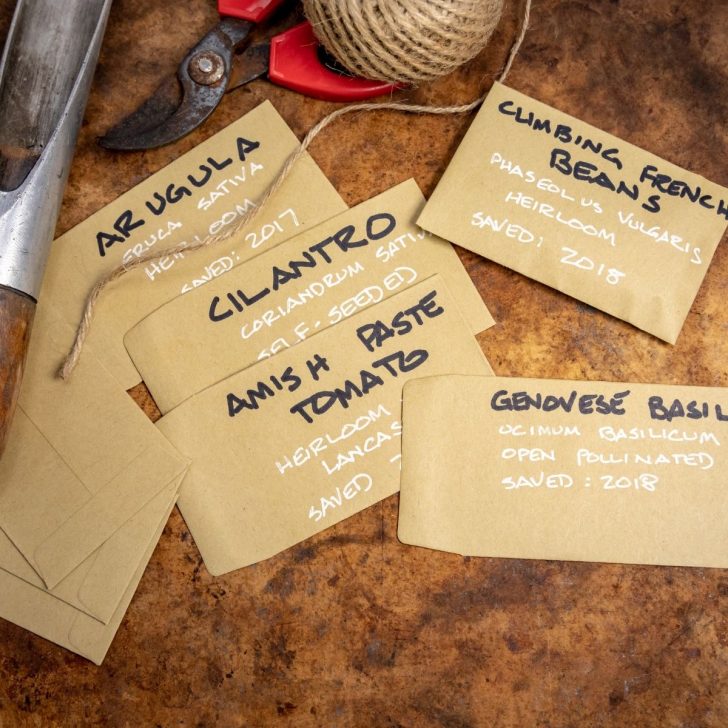
While they come with a host of benefits, there are also some disadvantages of heirloom seeds that potential growers should be aware of.
In recent years, there has been a resurgence in the popularity of heirloom seeds among gardeners and farmers. These seeds, which are often passed down through generations, offer a glimpse into the farm and gardening practices of the past.
In fact we’ve heard many a lovely nostalgic story of prized seeds in hand and fond stories of their origin in the family, friend of neighbor lineage.
Next, we review the pros and cons of using these traditional seeds in modern gardening.
What Are The Benefits Of Heirloom Seeds?
- Biodiversity Preservation: One of the most significant advantages of heirloom seeds is that they help preserve plant biodiversity. With the rise of commercial agriculture, many traditional plant varieties have become extinct. By cultivating heirloom seeds, gardeners can maintain and even revive old plant species.
- Taste and Nutrition: Many gardeners and chefs prefer heirloom vegetables and fruits because of their superior taste. Additionally, some studies suggest that heirloom varieties might be more nutritious than their commercial counterparts.
- Adaptability: Heirloom plants have been cultivated in specific regions for generations, making them well-suited to local soil and climate conditions. This adaptability can result in healthier plants that require fewer inputs.
- No Patents: Heirloom seeds are open-pollinated, meaning they are not patented. Gardeners can save seeds from their crops and replant them year after year without any legal concerns.
- Cost-Effective: Once you invest in heirloom seeds, you can save seeds from the produce and replant them in subsequent seasons, reducing the need to purchase new seeds every year.
- True to Seed: Heirloom plants grow true to seed, which is one of their defining characteristics. “Growing true to seed” means that the plants produced by the seeds will be similar or identical, to their parent plants in terms of phenotype — that is, their observable characteristics such as appearance, flavor, size, and other traits.
You can find more on the details and meaning of growing true to seed here.
Where to Buy Heirloom Seeds
We get most of our heirloom seeds from Baker’s Creek (RareSeeds.com), but there are many good heirloom sellers these days, many of who sell on Amazon. You may also be interested in our article on Garden Seed Companies.
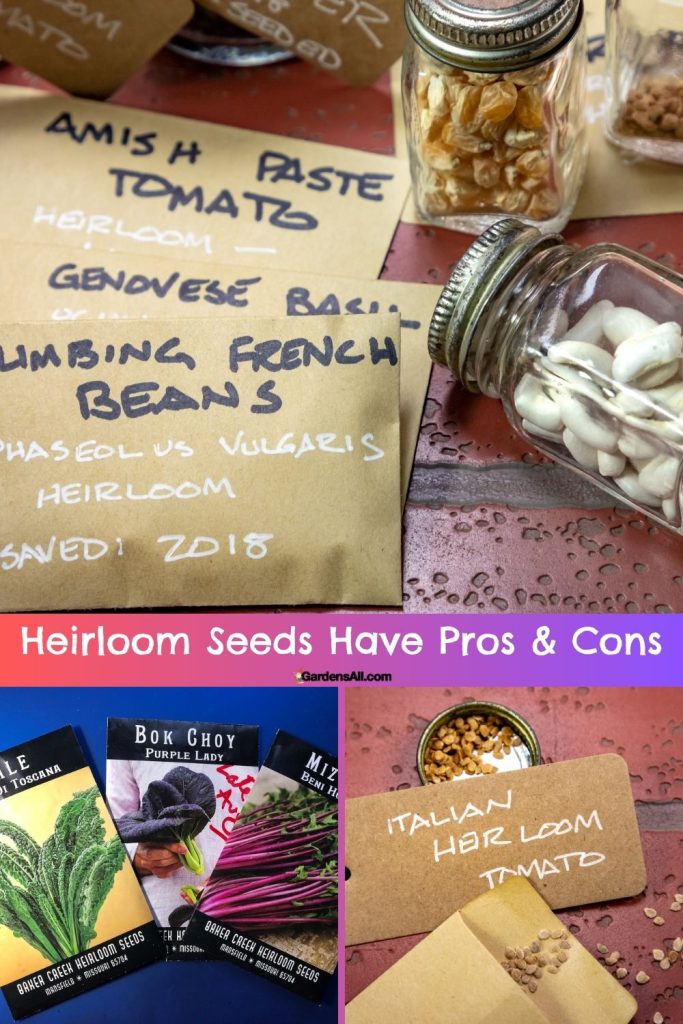
Disadvantages of Heirloom Seeds
- Susceptibility to Diseases: One of the primary disadvantages of heirloom seeds is their vulnerability to certain diseases. Unlike hybrid seeds, which are often bred for disease resistance, heirloom varieties might be more susceptible to pests and diseases.
- Inconsistent Yields: Heirloom plants can produce inconsistent yields from year to year. This variability can be challenging for farmers who rely on consistent production for their livelihood.
- Shorter Shelf Life: Heirloom fruits and vegetables might not have as long a shelf life as commercially grown varieties. This shorter storage time can lead to more waste if the produce is not consumed quickly.
- Limited Availability: While the popularity of heirloom seeds is growing, they are still not as widely available as commercial seeds. Gardeners might have to seek out specialty stores or online retailers to find specific heirloom varieties.
- Requires More Care: Heirloom plants might require more care in terms of soil preparation, watering, and pest control compared to more robust commercial varieties.
While there are clear advantages to using heirloom seeds, such as taste, adaptability, and biodiversity preservation, there are also notable disadvantages, including susceptibility to diseases and inconsistent yields.
Folks in the GardensAll community report that disease and pest vulnerability have been the primary disadvantages of heirloom seeds. That has been our experience as well. We’ve planted all heirlooms and often have various diseases pests to contend with.
If you’ve got great seeds preserved from a proven lineage, but they’re taken out by disease and pestilence, then the quality effect may be negated.
But why is that? Let’s break it down further.
Why Are Heirloom Seeds More Susceptible?
Heirloom seeds are a type of open-pollinated plants, but they are distinguished by having a heritage of being passed down within a community or family, often for many generations.
Heirloom Plant Susceptibility Factors
- Lack of Resistance Breeding: Many heirloom varieties were cultivated in times past where some diseases and pests were not as present or prevalent. These seeds were typically selected for flavor, productivity, or other desirable traits without much emphasis on resistance to pests and diseases. On the other hand, many modern open-pollinated or hybrid varieties have been specifically bred to resist certain common pests and diseases.
- Genetic Diversity: While genetic diversity within heirloom varieties can be quite broad, individual plantings might not benefit from this diversity. If a gardener plants seeds saved from a single particularly tasty tomato, for example, there might not be enough genetic diversity in the planting to resist a pest or disease that the parent plant wasn’t exposed to.
- Regional Adaptation: Heirloom varieties are often well adapted to the specific conditions in which they were developed, including the local pests and diseases. When they are planted in different regions, they may be exposed to new challenges that they haven’t genetically adapted to. So if Grandpa sends his prize seeds to you in a different state and zone, they may not thrive.
- Evolution of Pests and Diseases: The pests and diseases themselves have evolved over time. A pest or disease that wasn’t a threat several generations ago when an heirloom variety was developed might be very prevalent now. New pests and diseases have emerged, and some have become more aggressive or have expanded their ranges due to changes in climate and human activity.
- Cultivation Practices: Heirloom plants often thrive under traditional cultivation practices, which might include companion planting, crop rotation, and the use of natural pest deterrents. Modern agriculture often relies on chemical pesticides and monoculture plantings, which can expose heirloom varieties, not bred for such conditions, to an intensified level of pest pressure.
Pest and Disease Resistance
Resistance is a trait that can be present or bred into both heirloom and modern varieties, whether they are open-pollinated or hybrid. However, the specific conditions under which a variety was developed and has been maintained can greatly influence its resistance to the challenges it faces in a modern garden or farm.
See also, our article on open pollination.
Diseases and Pests That Afflict Heirloom Plants
Over time, the prevalence and distribution of plant diseases and pests have changed due to factors such as global trade, climate change, changes in agricultural practices, and ecological shifts. Here are some examples of diseases and pests that have emerged to impact heirloom garden plants in recent times:
- Late Blight (Phytophthora infestans): While this fungus-like organism has been around for a long time (it caused the Irish Potato Famine in the 1840s), new, more aggressive strains have emerged in recent years. These strains can be particularly devastating to heirloom tomato and potato varieties that may not have resistance to this pathogen.
- Spotted Wing Drosophila (Drosophila suzukii): Unlike other fruit flies that tend to infest overripe fruit, this pest attacks healthy fruit and is a relatively new threat to North American fruit crops. It originated in Asia and was first detected in the United States in 2008.
- Citrus Greening Disease (Huanglongbing): This disease is caused by bacteria and spread by citrus psyllids. It’s considered one of the most serious citrus plant diseases in the world. First detected in China in 1919, it has spread to many other parts of the world, including the United States.
In Summary
Gardeners and farmers should weigh out these heirloom seeds disadvantages when deciding whether to incorporate them into your garden. Having great seeds of historical value, doesn’t help much if you end up with problems. Poor production tends to negate the benefits of heirloom seeds.
One way to do this is to plant an heirloom garden and a non-heirloom garden. However, given the possibilities of open pollination, you’ll need to have them some distance away from each other.
You may also enjoy our article on the family farm.

I’m LeAura Alderson, a garden, herb and plant enthusiast with a passion for discovering the many edible and medicinal benefits of the plants all around us, including the weeds! I’m a writer, editor and media publisher for our family of websites.
While I was certified in fitness and life coaching, I am NOT a health practitioner. However, I’m a lifelong health enthusiast, with a keen interest in healthy, organic foods and making home remedies and the content we share is from our own experience and usage as well as that extracted from scientific research so that you can explore further on your own.
Always seek the advice and guidance of your health practitioners first and foremost.
As a family we’re steadily expanding our gardening, experimentation and knowledge around all things gardening, edible landscaping, fresh organic foods and self sustainability with farming in our future. I also own and manage iCreateDaily.com, a site all about transformation through creation, and the power of positivity, optimism and mindset.