
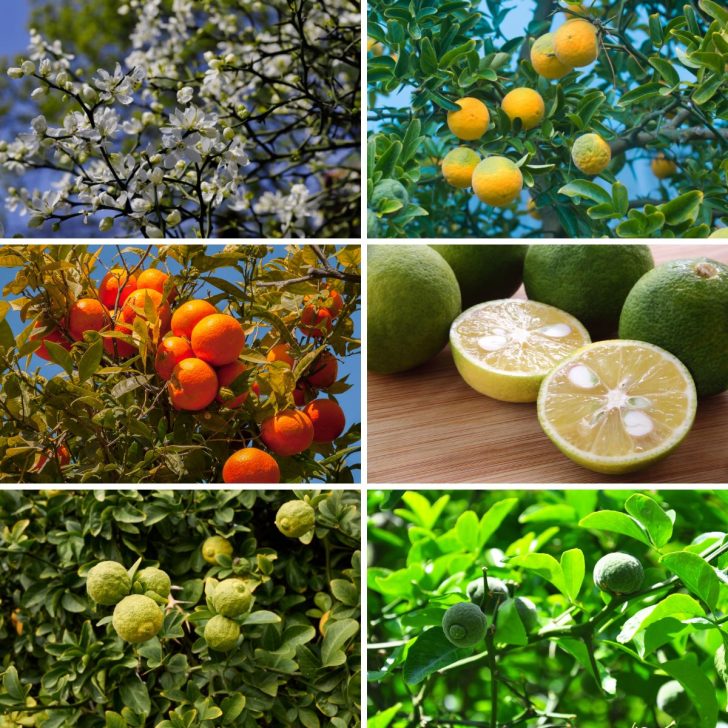
Cold hardy citrus plants are a wonderful option for those not in tropical or subtropical climates. These cold-tolerant citrus varieties offer a unique blend of flavors, ornamental charm, and versatility in both culinary and decorative applications.
In this comprehensive guide, we delve into the benefits and characteristics of notable hardy citrus trees, exploring their cold tolerance levels, distinct culinary uses, and aesthetic appeal. Additionally, we highlight the regions across the United States where these hardy citrus trees thrive, offer insights into potential cultivation challenges, and provide recommendations for nurseries and citrus growers’ associations, towards helping you find the best cold hardy citrus plants for you.
Cold Hardy Citrus Plants
Calamondin Orange (Citrus × microcarpa)
Grown in southern Florida and other subtropical regions with warm winters, the Calamondin Orange is a mandarin-kumquat hybrid plant.
- Tolerance to Low Temperatures: Calamondin orange trees are sensitive to cold and are best suited for USDA hardiness zones 9-11, where temperatures rarely drop below freezing.
- Flavors and Culinary Uses: Calamondin oranges are small, sour fruits. They are commonly used in Filipino and Southeast Asian cuisine for their tart flavor and are used in beverages, sauces, and as a condiment.
- Seeds: Typically contains seeds.
- Ornamental Value: Calamondin trees are popular as ornamental houseplants or patio plants due to their small size, fragrant white flowers, and small, bright orange fruits.

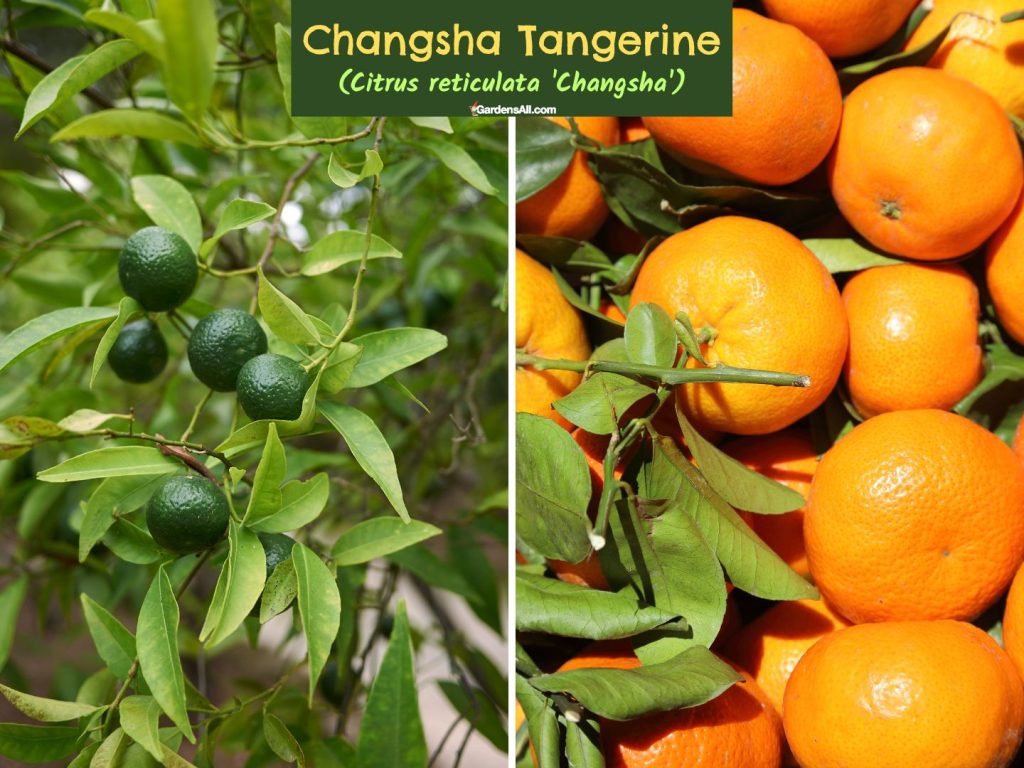
Changsha Tangerine (Citrus reticulata ‘Changsha’)
Suitable for cultivation in the Gulf Coast region and other parts of the southern United States with relatively mild winters.
- Tolerance to Low Temperatures: Changsha tangerines are cold-hardy and can withstand temperatures down to approximately 10°F (-12°C). They are suitable for USDA hardiness zones 8-11.
- Flavors and Culinary Uses: Changsha tangerines have a sweet and tangy flavor. They are eaten fresh or used in cooking, similar to other tangerine varieties.
- Seeds: Contains seeds, though the number can vary.
- Ornamental Value: These trees have dark green leaves and produce small, bright orange fruits. They are valued for their ornamental appeal and fruit production.
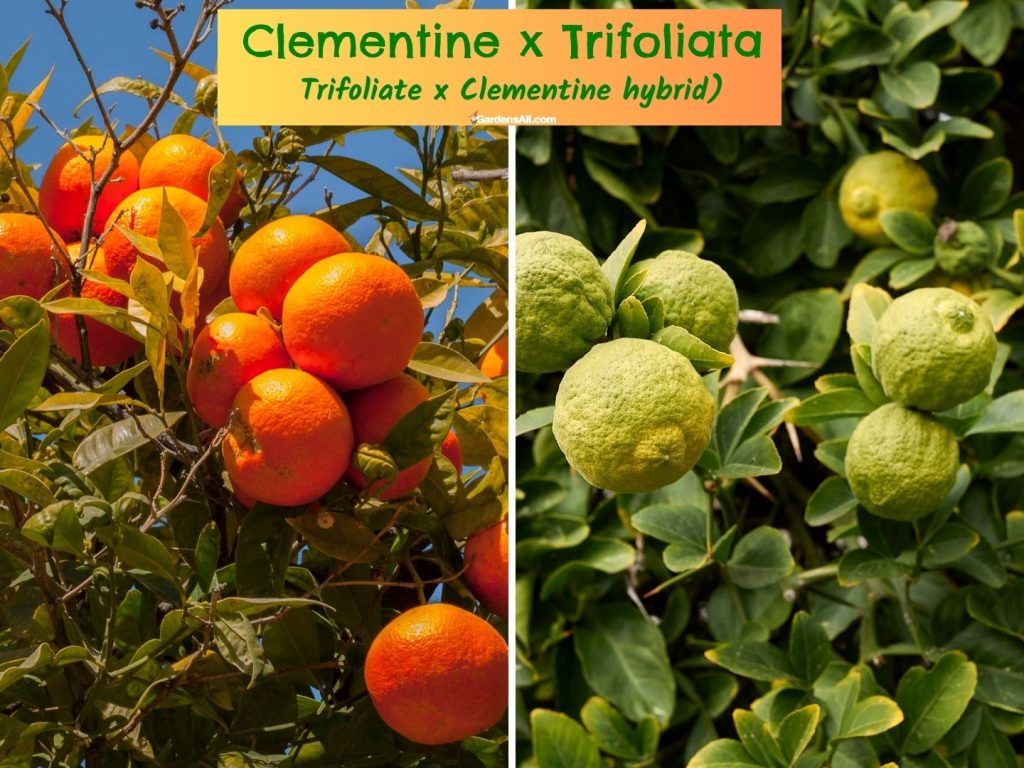
Clementine (Trifoliate x Clementine)
The Clementine hybrid is a cross between the Trifoliate Orange (Poncirus trifoliata) and (Citrus × clementina), the traditional clementine, aiming to combine cold-hardiness with sweet flavor.
- Tolerance to Low Temperatures: This hybrid can tolerate temperatures down to about 20°F (-6°C). It’s suitable for USDA hardiness zones 9-11.
- Flavors and Culinary Uses: The fruit is sweet and juicy, similar to traditional clementines, and is excellent for fresh consumption.
- Seeds: Generally seedless, especially when isolated from other citrus trees.
- Ornamental Value: The tree has glossy green leaves and produces bright orange fruits, adding to its ornamental appeal.
See our article on Trifoliate Orange Cold Hardy Citrus).
Dallas Dunstan (Poncirus trifoliata x Citrus sinensis)
Dallas Dunstan is a type of citrange, a hybrid between the trifoliate orange (Poncirus trifoliata), and a sweet orange or tangerine, (Citrus sinensis)
- Tolerance to Low Temperatures: Dallas Dunstan can withstand temperatures down to 15°F (-9°C). Suitable for USDA hardiness zones 8b-11.
- Flavors and Culinary Uses: The fruit is more tart than sweet oranges but can be used in marmalades or juiced.
- Seeds: Contains a number of seeds but not as much as the Poncirus trifoliata.
- Ornamental Value: The tree has a robust growth habit with dark green leaves and produces medium-sized orange fruits.
Dragon Lime (Poncirus trifoliata var. monstrosa)
Dragon Lime is a lesser-known citrus variety, but it’s believed to have good cold-hardiness and is a cross between Flying Dragon (Poncirus trifoliata) and an unknown citrus.
- Tolerance to Low Temperatures: Information on exact temperature tolerance is limited, but it’s likely suitable for USDA hardiness zones 8b-11.
- Flavors and Culinary Uses: The fruit is tart, similar to traditional limes, and can be used in beverages, cooking, or baking, but considered to be 50% better than the hardy orange, Poncirus trifoliata.
- Seeds: Contains seeds but not as much as it’s parent, Poncirus trifoliata.
- Ornamental Value: The tree has a compact growth habit with glossy green leaves and produces small green to yellow fruits.
ORIGIN of Dragon Lime:
“George McAfee, Houston got his plant from Buddingman at the Nafex show in Houston Tx many years ago. He named it Dragon Lime. The original tree was a seedling at Treesearch farm, Houston Tx. It was found in a group of Flying Dragon seedlings, thus the female parent was a Poncirus. The fruit is the size of a small orange.”
~HardyCitrus.blogspot[1]http://hardycitrus.blogspot.com/2013/12/dragon-lime.html

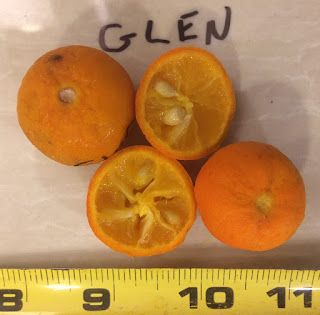
Glen Citrangedin (Citroncirus x Citrangedin)
Glen Citrangedin is a hybrid citrus variety known for its cold-hardiness.[3]https://citrusvariety.ucr.edu/crc3573
- Tolerance to Low Temperatures: It can tolerate temperatures down to about 15°F (-9°C). Suitable for USDA hardiness zones 8b-11.
- Flavors and Culinary Uses: The fruit is tart and can be used in marmalades or as a flavoring agent.
- Seeds: Contains an average amount of average sized seeds.
- Ornamental Value: The tree has a robust growth habit with dark green leaves and produces medium-sized fruits.
Ichang Papeda, AKA Ichang Lemon (Citrus ichangensis)
These cold-hardy citrus plants are suitable for regions with colder winters, including parts of California and the southern United States.
- Tolerance to Low Temperatures: Ichang papeda is extremely cold-hardy, capable of withstanding temperatures as low as 0°F (-18°C). It is well-suited for USDA hardiness zones 7-10.
- Flavors and Culinary Uses: The fruit of the Ichang papeda is sour and not typically consumed fresh due to its strong flavor. It is sometimes used as a rootstock for grafting other citrus varieties.
- Seeds: Typically contains seeds.
- Ornamental Value: The Ichang papeda tree has dark green leaves and produces small, round, green fruits. While not as ornamental as some other citrus varieties, it can still be grown for its unique qualities.
Keraji Mandarins (Citrus keraji)
Citrus keraji can be grown in regions with mild winters, including parts of California and the southern United States.
- Tolerance to Low Temperatures: Keraji mandarins are cold-hardy and can withstand temperatures down to approximately 10°F (-12°C). They are suitable for USDA hardiness zones 8-11.
- Flavors and Culinary Uses: Keraji mandarins are small, sweet, and easy to peel. They are typically eaten fresh or used in salads and desserts.
- Seeds: Typically contains seeds.
- Ornamental Value: These trees have glossy leaves and produce small, colorful fruits. They can be grown for their ornamental appeal and fruit production.
Kumquats (Fortunella spp.)
Kumquats are probably one of the most familiar of cold hardy citrus plants. These are suitable for southern states such as Florida, Texas, California, and Arizona, where winters are relatively mild.
- Tolerance to Low Temperatures: Kumquat trees are moderately cold-hardy and can withstand temperatures down to around 20°F (-6°C). They are suitable for USDA hardiness zones 8-11.
- Flavors and Culinary Uses: Kumquats have sweet-tart, edible skin and a sour interior. They are often eaten whole, used in marmalades, candied, or as a garnish.
- Seeds: Contains a few seeds in each fruit.
- Ornamental Value: Kumquat trees have small, oval-shaped leaves and produce small, vibrant orange fruits that are visually appealing. They are often used in ornamental landscaping.
Morton Citrus (Morton citrange)
The Morton Citrus is a hybrid between the trifoliate orange and a sweet orange, giving it more sweetness than its cold-hardy Poncirus parentage. Parentage/origins: (Poncirus trifoliata x Citrus sinensis)
- Tolerance to Low Temperatures: Morton Citrange can withstand temperatures down to 15°F (-9°C). Suitable for USDA hardiness zones 8b-11.
- Flavors and Culinary Uses: The fruit is tart (though less so than its sour kindred hardy orange, and is often used in marmalades or juiced.
- Seeds: Citranges typically contain seeds.
- Ornamental Value: The tree has a robust growth habit with dark green leaves and produces medium-sized orange fruits
Ponkan Mandarin Tree (Citrus reticulata)
The Ponkan Mandarin Tree, also known as “Chinese Honey Orange,” is one of the larger and sweeter mandarin varieties, popular in many parts of the world, especially in Asia.
- Tolerance to Low Temperatures: Ponkan mandarins can tolerate temperatures down to about 25°F (-4°C). They are best suited for USDA hardiness zones 9-11.
- Flavors and Culinary Uses: Ponkan mandarins are known for their sweet and juicy flesh, making them excellent for fresh consumption. The fruit is often large with a thin skin that’s easy to peel.
- Seeds: Contains a few seeds, but fewer than some other mandarins.
- Ornamental Value: The tree has glossy green leaves and produces large, bright orange fruits with a slightly flattened shape, adding to its ornamental appeal.
Satsuma Mandarins (Citrus unshiu)
The Satsuma Mandarins are commonly grown in the Gulf Coast region of the southern United States, including areas of Texas, Louisiana, Mississippi, Alabama, and Florida.
- Tolerance to Low Temperatures: Satsuma mandarins are one of the most cold-hardy citrus varieties, capable of withstanding temperatures down to 15°F (-9°C). They can thrive in USDA hardiness zones 8-11.
- Flavors and Culinary Uses: Satsumas are sweet and seedless with a mild, tangy flavor. They are often eaten fresh or used in salads, desserts, and as a garnish for cocktails.
- Seeds: Generally seedless, especially when isolated from other citrus trees.
- Ornamental Value: These trees have dark green, glossy leaves and fragrant white flowers. They make attractive ornamental plants in addition to bearing fruit.
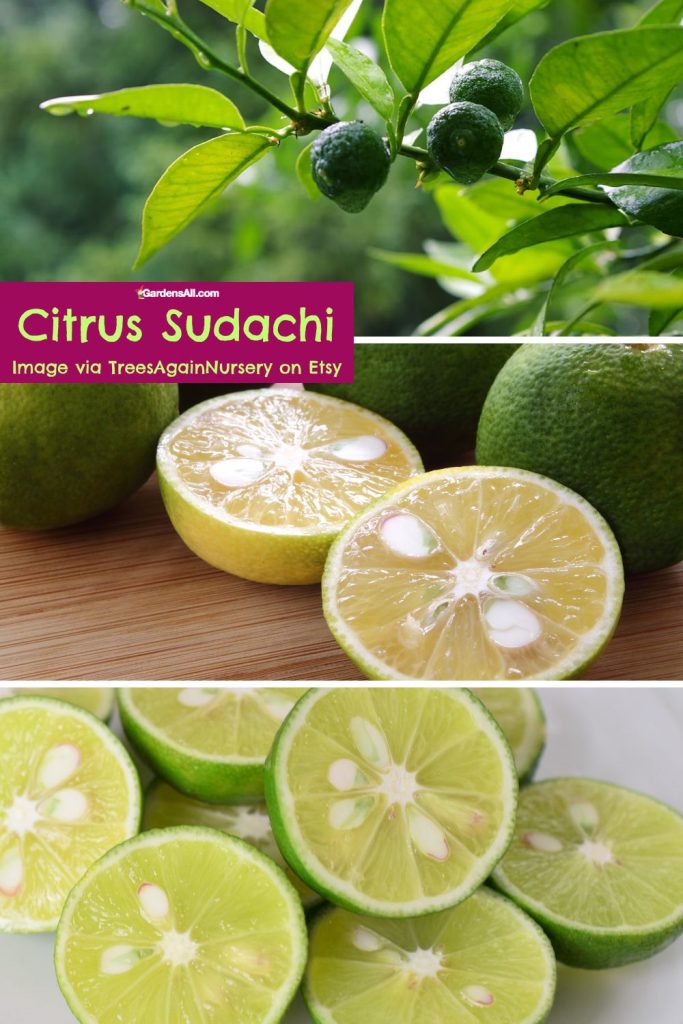
Sudachi (Citrus sudachi)
Besides its native Japan, the Sudachi Citrus is primarily grown in California in the US, and especially in regions with Mediterranean climates.
- Tolerance to Low Temperatures: Sudachi is moderately cold-hardy and can tolerate temperatures down to about 20°F (-6°C). It is suitable for USDA hardiness zones 8-10.
- Flavors and Culinary Uses: Sudachi has a tart and refreshing flavor. It is primarily used in Japanese cuisine for its juice and zest in dishes like ponzu sauce, sushi, and sashimi.
- Seeds: Typically contains seeds.
- Ornamental Value: Sudachi trees have glossy green leaves and small, green, round fruits. They can be grown for both ornamental and culinary purposes.
Swingle, (Citrus paradisi X Poncirus trifoliata)
Swingle citrumelo is a hybrid obtained in Florida in 1907 by the scientist W. T. Swingle who pollinated flowers of ‘Duncan’ grapefruit (Citrus paradisi) with pollen from trifoliate (Poncirus trifoliata).[4]https://www.citrolima.com.br/Rootstocks/swinglee.htm#
- Tolerance to Low Temperatures: Swingle can tolerate temperatures down to about 15°F (-9°C). Suitable for USDA hardiness zones 8b-11.
- Flavors and Culinary Uses: The fruit is more tart than grapefruits but can be used in marmalades or juiced.
- Seeds: Contains an average number of citrus seeds.
- Ornamental Value: The tree has a robust growth habit with dark green leaves and produces medium-sized fruits.
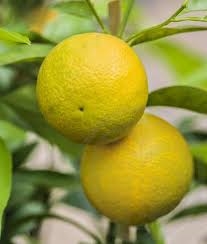
Ten Degree Tangerine (Citrus spp. clem x yuzu)
The Ten Degree Tangerine is a cross between Clementine and Yuzu, which together, cold-hardiness and a sweet flavor.
- Tolerance to Low Temperatures: This tangerine can tolerate temperatures down to about 10°F (-12°C). Suitable for USDA hardiness zones 8-11.
- Flavors and Culinary Uses: The fruit is sweet and juicy, making it excellent for fresh consumption.
- Seeds: Contains average number of seeds for a citrus fruit.
- Ornamental Value: The tree has glossy green leaves and produces bright orange fruits, adding to its ornamental appeal.

Yuzu (Citrus junos)
Grown in regions with milder winters such as California and parts of the southern United States.
- Tolerance to Low Temperatures: Yuzu is moderately cold-hardy and can tolerate temperatures down to around 10°F (-12°C). It is suitable for USDA hardiness zones 8-10.
- Flavors and Culinary Uses: Yuzu has a unique, aromatic flavor that’s a cross between a lemon and a mandarin. It’s used in Japanese cuisine for its zest, juice, and fragrance in various dishes, including soups, sauces, and desserts.
- Seeds: Tends to have a lot of seeds, which can be put to good use. See benefits of grapefruit seed extract, for similar benefits in the Yuzu seeds,
- Ornamental Value: Yuzu trees are prized for their fragrant white flowers and attractive, yellow-orange fruits. They can be grown for both ornamental and culinary purposes.

Taxonomy for Cold Hardy Citrus Plants
This is just the profile of those in our list above to give you an idea of the different names in botanical context, should you be interested in that:
- Kingdom: Plantae
- Subkingdom: Tracheobionta (Vascular plants)
- Superdivision: Spermatophyta (Seed plants)
- Division: Magnoliophyta (Flowering plants)
- Class: Magnoliopsida (Dicotyledons)
- Subclass: Rosidae
- Order: Sapindales
- Family: Rutaceae (Citrus family)
- Genus:Citrus
- Species: Citrus × clementina (Clementine)
- Species: Citrus ichangensis (Ichang Papeda)
- Species: Citrus junos (Yuzu)
- Species: Citrus keraji (Keraji Mandarins)
- Species: Citrus reticulata (Mandarins/Tangerines, including Changsha)
- Species: Citrus × microcarpa (Calamondin Orange)
- Species: Citrus sudachi (Sudachi)
- Species: Citrus unshiu (Satsuma Mandarins)
- Genus:Fortunella
- Species: Various species represent Kumquats
- Genus:Poncirus
- Species: Poncirus trifoliata (Trifoliate orange, used in various hybrids)
- Genus:Citrus
- Family: Rutaceae (Citrus family)
- Order: Sapindales
- Subclass: Rosidae
- Class: Magnoliopsida (Dicotyledons)
- Division: Magnoliophyta (Flowering plants)
- Superdivision: Spermatophyta (Seed plants)
- Subkingdom: Tracheobionta (Vascular plants)
Cultivation Challenges With Hardy Citrus Plants in North America:
- Frost Protection: Even cold-hardy citrus varieties may require protection from frost during unusually cold spells. Frost cloth, heaters, or other protective measures may be necessary.
- Microclimates: Local microclimates can vary, so it’s essential to assess your specific location’s winter conditions before planting citrus.
- Container Gardening: In colder regions, growing citrus in containers that can be moved indoors during the winter may be necessary.
- Disease and Pest Management: Citrus trees can be susceptible to various diseases and pests, so regular monitoring and care are essential.
Nurseries and Citrus Growers’:
Some reputable nurseries and growers’ associations that offer cold-hardy citrus varieties include:
- Four Winds Growers (California)
- Logee’s Greenhouses (Connecticut)
- Dave Wilson Nursery (California)
- Texas Citrus Mutual (Texas)
- Arizona Citrus Research Council (Arizona)
- Louisiana Citrus Association (Louisiana)
Before purchasing citrus trees, it’s advisable to research local nurseries and associations in your specific region for the best options and guidance on cold-hardy citrus cultivation.

I’m LeAura Alderson, a garden, herb and plant enthusiast with a passion for discovering the many edible and medicinal benefits of the plants all around us, including the weeds, while transforming the land through regenerative permaculture practice. I am also a writer, editor and media publisher (now mostly retired due to replacement by AI), but which now allows more time to build our regenerative permaculture homestead farm.
References