
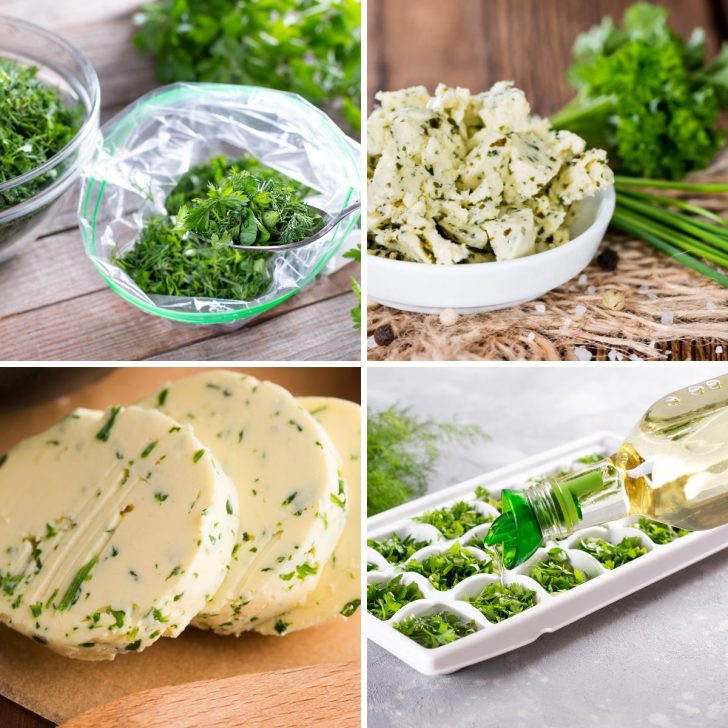
Parsley is an aromatic herb that adds a fresh and vibrant flavor to a wide range of dishes. It’s often used fresh, but when you’ve got an abundance of it, freezing parsley is an excellent way to preserve its flavor for future use.
So yes, you can freeze parsley, and it’s actually quite simple! This article will guide you through the most common ways for freezing parsley, so that you can choose the methods best for your and your intended use.
Benefits of Freezing Parsley
Freezing is an excellent way to preserve the freshness and flavor of parsley. It enables you to make use of excess produce, preventing waste and ensuring you always have a supply of this versatile herb on hand.
While dried parsley does have its place, the drying process can diminish the flavor and nutrients, so isn’t the favored way to preserve parsley. Freezing parsley allows you to retain much of the herb’s fresh taste, ensuring it adds a punch of flavor to your dishes even during off-seasons.
Beyond taste preservation, frozen parsley actually retains more nutrients than fresh parsley, which — as with most foods — can begin to diminish over time as freshness wanes with aging.
How to Freeze Parsley
There are several methods you can use to freeze parsley. Let’s look at some of the most effective techniques.
Method 1: Freezing Parsley Whole in Bunches [QUICKEST & EASIEST]
This is the simplest method, which involves minimal prep.
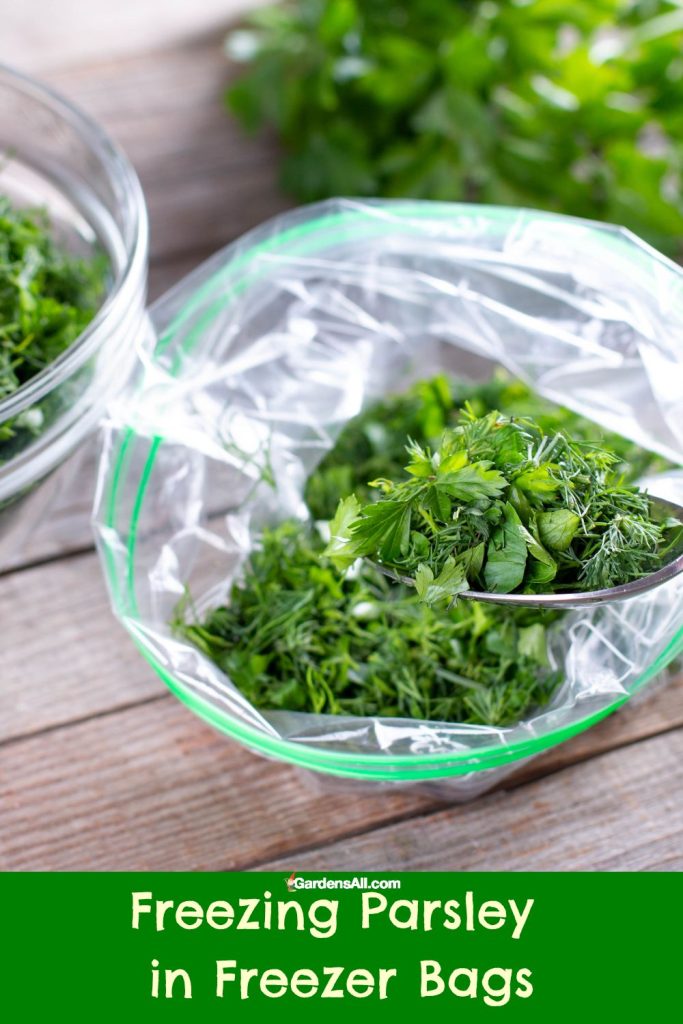
Place handfuls of whole rinsed and dried parsley into freezer bags and then freeze. Once frozen, it’s easy enough to break off the amount you need from the frozen cluster.
Method 2: Freezing Parsley Individually
- Wash and Dry: Rinely your parsley under cool running water to remove any dirt or debris. Then pat it dry thoroughly with paper towels.
- Prepare for Freezing: Lay out the sprigs or leaves on a baking sheet lined with parchment paper. Try not to let the leaves overlap so that they freeze individually and don’t clump together.
- Freeze: Place the tray in the freezer and freeze until the parsley is thoroughly frozen. This usually takes a few hours.
- Package and Store: Once frozen, quickly transfer the parsley into airtight freezer bags or containers. Remove as much air as possible before sealing. Label the bag with the date and description and return it to the freezer.
Method 3: Freezing chopped Parsley in Ice Cube Trays
This method is perfect if you frequently use parsley in soups, stews, or other liquid-based recipes.
- Prepare the Parsley: Wash and dry the parsley. Then, finely chop the parsley leaves.
- Portion into Ice Cube Trays: Add 1-2 tablespoons of chopped parsley to each section of an ice cube tray. Fill the rest with water or broth, ensuring the parsley is fully submerged.
- Freeze: Place the tray in the freezer. Once the cubes are fully frozen, they can be popped out.
- Package and Store: Transfer the parsley cubes to a freezer bag or airtight container. Label it with the date and return it to the freezer.

Method 4: Freezing Parsley in Oil
- Prepare the Parsley: Wash and thoroughly dry the parsley. Then, chop the parsley leaves finely.
- Portion into Ice Cube Trays: Spoon your chopped parsley into the sections of an ice cube tray, distributing evenly among the sections.
- Add Oil: Pour a good quality olive oil or any other cooking oil you prefer over the parsley in each section. Use enough oil to just cover the parsley.
- Freeze: Place the tray in the freezer. Once the cubes are fully frozen, they can be popped out.
- Package and Store: Transfer the parsley-oil cubes to a freezer bag or airtight container. Label it with the date and description (E.g., parsley in oil — so you’ll know which are in oil and which are in water or broth, in case you have both kinds) and return it to the freezer.
When it’s time to use these parsley oil cubes, they can be added directly to the pan for sautés, stirred into soups, stews or sauces, or tossed with vegetables before roasting. This is an incredibly convenient and flavorful method to ensure you always have parsley on hand.

Method 5: Freezing Parsley in Butter
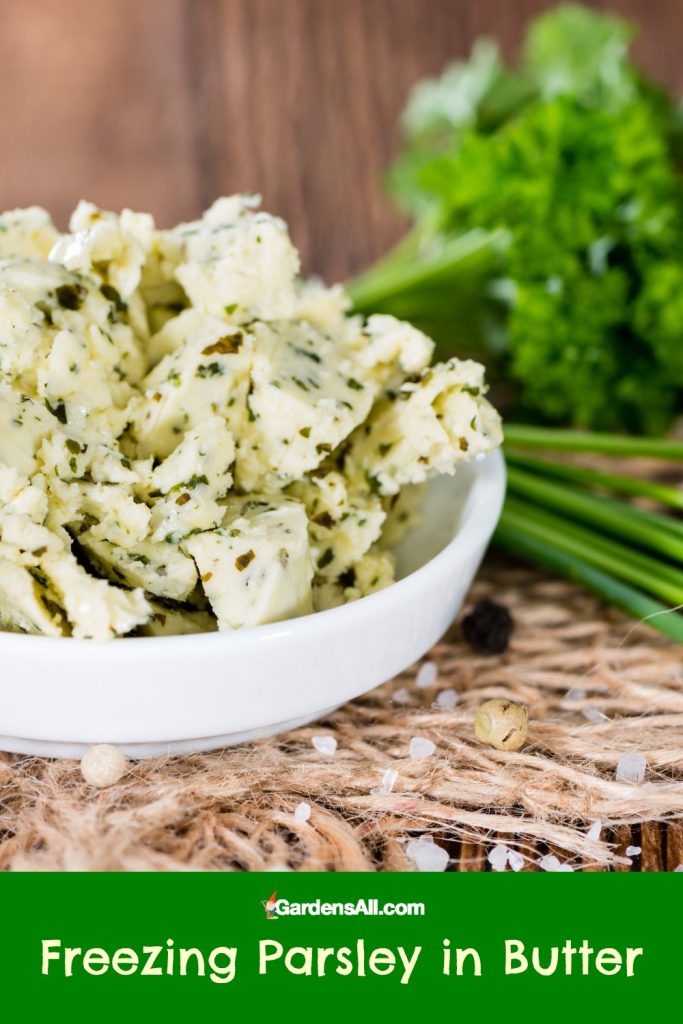
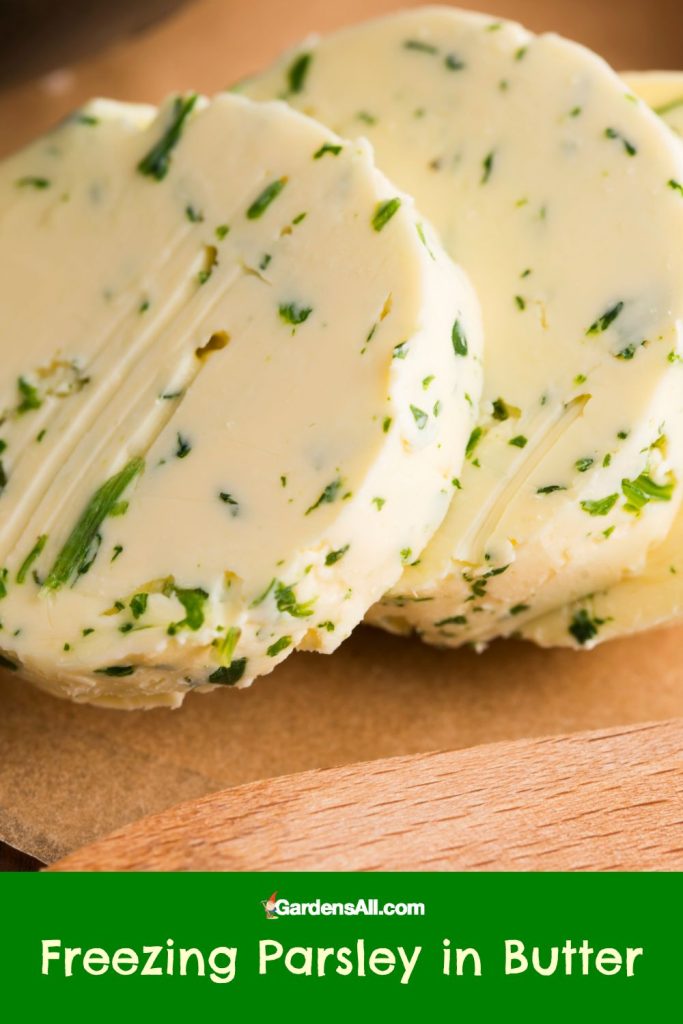
Freezing parsley in butter is another effective method for preserving this herb. Similar to freezing parsley in oil, this method is particularly useful if you commonly use butter in your cooking and baking. It’s a great way to have pre-portioned, flavorful butter on hand for recipes like garlic bread, pastas, or roasted vegetables. Here’s a simple guide:
- Prepare the Parsley: Wash and thoroughly dry the parsley. Then, chop the parsley leaves finely.
- Combine with Butter: In a bowl, mix the chopped parsley with softened, unsalted butter. The ratio can be adjusted based on preference, but a good starting point is one part parsley to two parts butter.
- Portion onto Parchment Paper: Lay a sheet of parchment paper on a flat surface.
- Method 1: Drop spoonfuls of the parsley-butter mixture onto the paper, making sure each portion is separate from the others.
- Method 2: If this is to be served at a dinner setting, and you want a fancier look, you can use a piping bag and pastry tip to squeeze the herb butter into pleasing flower-like clusters. Keep frozen until time to serve, then place on a dish or on individual bread plates.
- Freeze: Place the parchment paper in the freezer. Once the parsley-butter portions are fully frozen, they can be removed from the paper.
- Package and Store: Transfer the parsley-butter portions to a freezer bag or airtight container. Label it with the date and return it to the freezer.
freezing parsley in melted butter is another variation that offers a distinct flavor profile. Adding additional seasonings can make this an even more versatile kitchen staple. Here’s how you can do it:
Method 6: Freezing Parsley in Seasoned Melted Butter
- Prepare the Parsley: Wash and dry the parsley. Then, finely chop the parsley leaves and finer stems, but removing the thicker base stems.
- Portion into Ice Cube Trays: Spoon your chopped parsley into the sections of an ice cube tray, distributing evenly among the sections,
- Prepare Seasoned Butter: Melt unsalted butter in a small pan. Once it’s fully melted, you can add your choice of seasonings. This could be any kind of seasoning you prefer. Some examples include seasoned salt and pepper to minced garlic, red pepper flakes, or lemon zest or lemon juice. Stir well to ensure the seasonings are fully incorporated into the butter.
- Pour Butter over Parsley: Carefully pour the seasoned, melted butter over the parsley in each section of the ice cube tray. Use enough butter to just cover the parsley. I use a long thin coffee spoon or a chopstick to stir the herbs in each tray.
- Freeze: Place the tray in the freezer. Once the cubes are fully frozen, they can be popped out.
- Package and Store: Transfer the parsley-seasoned butter cubes to a freezer bag or airtight container. Label it with the date and return it to the freezer.
When it’s time to use these flavorful cubes, they can be added directly to a pan for sautés or pasta dishes, tossed with vegetables before roasting, or used as a delicious base for seafood dishes. This method allows you to add a burst of herby, seasoned butter to your dishes with ease.
When you’re ready to use these parsley butter portions, they can be melted directly in a pan for sautés or tossed with vegetables or pasta. They can also be spread on bread before toasting or baking. Freezing parsley in butter provides a quick, easy, and flavorful addition to many dishes.
Using Frozen Parsley
When it comes time to use your frozen parsley, it’s a straightforward process. If you froze it whole, you can simply take out the amount you need and add it directly to your dishes. Fresh frozen parsley can be crumbled directly into dishes between your finger tips
If you used the ice cube method, drop a cube directly into soups, stews, or sauces as they’re cooking.
Remember, frozen parsley is best used in cooked dishes, as the freezing process can affect the texture, making it less suitable for garnishing or in fresh salads.
Fresh vs. Frozen Parsley Nutrients
Parsley, whether fresh or frozen, is a nutritious herb that adds a host of health benefits to your meals. The primary nutrients in parsley include vitamins A, C, and K, as well as minerals like iron and potassium. It also contains flavonoids and antioxidants, such as luteolin and apigenin.
The nutrient content in fresh parsley is usually at its peak. However, the process of freezing, if done promptly and correctly, can help retain most of these nutrients. This is because freezing can slow down the loss of vitamins and minerals that usually occurs over time.
Here is a closer look at the nutritional differences between fresh and frozen parsley:
- Vitamin C: Fresh parsley is an excellent source of vitamin C. However, this vitamin is sensitive to heat, light, and air, and can diminish over time. The process of freezing can slow down this loss, preserving more vitamin C compared to leaving fresh parsley stored at room temperature for a few days.
- Vitamin A and K: Both vitamins A and K are relatively stable during freezing, so frozen parsley should retain most of these nutrients.
- Iron and Potassium: Freezing does not significantly affect the mineral content of parsley, so you can expect similar amounts of iron and potassium in both fresh and frozen parsley.
- Antioxidants: Parsley’s antioxidant compounds, such as flavonoids, may degrade over time. Freezing can help preserve these antioxidants to a greater extent than leaving the parsley at room temperature.
- Fiber: The fiber content of parsley remains the same, whether it’s fresh or frozen.
The best nutritional punch is usually delivered by garden fresh parsley, eaten and used as it’s harvested. However, frozen parsley still offers significant nutritional benefits. Freezing is a convenient and effective way to preserve not just the flavor of parsley, but also most of its nutritional profile, ensuring you have a healthy and flavorful ingredient available at all times.
In Summary
Freezing parsley is a practical and effective way to preserve this flavorful herb. By freezing it whole or in ice cube trays, you’ll ensure you have parsley on hand for all your culinary needs.
While frozen parsley might not retain the crisp texture that fresh parsley has, it will certainly maintain its vibrant taste and the majority of nutrients for cooked dishes as well as for blending into smoothies and green juice.
You may also be interested in these articles:


I’m LeAura Alderson, a garden, herb and plant enthusiast with a passion for discovering the many edible and medicinal benefits of the plants all around us, including the weeds, while transforming the land through regenerative permaculture practice. I am also a writer, editor and media publisher (now mostly retired due to replacement by AI), but which now allows more time to build our regenerative permaculture homestead farm.