
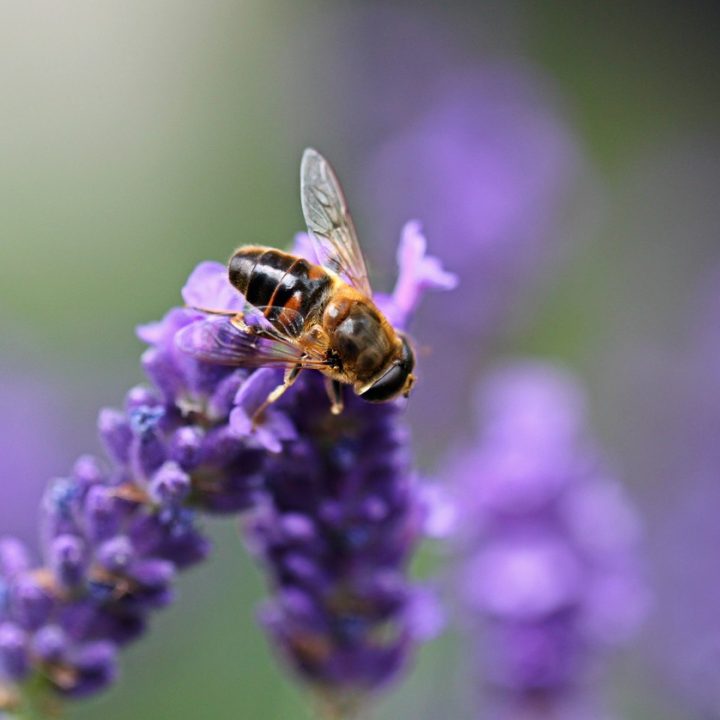
If you’re growing lavender you’ll want to also know how to make lavender oil and lavender lotion.
A wonderful herb that’s more than just beautiful, lavender is very popular in cosmetics, oils, salves, body care products, fragrances and also teas.
Lavender is one of the most commonly known and widely used herbs and essential oils in the world. The beauty, function and aroma all make growing lavender a garden and landscape favorite.
The name lavender comes from the Latin word, lavare, which means “to wash”, after the naturally fresh scent and therapeutic properties of the plant.
Lavender is an extremely versatile and lovely member of the mint family, and a great tool for those who practice natural health. Lavandula, is a disinfectant, deodorant, anti-inflammatory, sedative, and antiseptic, amongst other benefits, and can be used in herb form—or for stronger effect—as an essential oil.
Lavender Benefits
- Antiseptic
- Disinfectant
- Deodorant
- Anti-anxiety
- Anti-inflammatory
- Improves migraine headaches
- Sedative / stress relief
RELATED: Our editor likes this natural deodorant with lavender and just 3 other ingredients.
Growing Lavender
Lavender is an absolutely beautiful perennial plant and some varieties have a lovely fragrance as well. It makes a great addition to any garden. For those with yard gardens looking for attractive plants to satisfy neighbors and HOAs, lavender is a great choice for adding to your garden landscape.[1]https://www.gardensall.com/gardens-not-allowed-hoa-homeowners-associations-and-yard-gardens/
As long as you know a few things about how to grow it, you can enjoy a summer of purple flowers for up to 20 years!
RELATED: Here’s a list of perennial vegetables and herbs to grow.
Lavender is a perennial that can last up to 20 years!

Where Does Lavender Grow?
Grow Zones
Most Lavender grows well in USDA zones 5-8, but importantly, one needs to know that this plant does not like to be wet! This means certain areas that are more humid, may not yield a good crop and it must be planted in an area that gets all day sun.
Soil
Lavender likes an alkaline soil with good drainage. It often works well in rock gardens and walkways. Make sure to give it space as well. This will allow for the air to flow around it and for it to grow larger every year. Some plants get up to 5 feet wide, so plant with that in mind.

Planting Lavender
When planting Lavender, a soil-bone meal mix works well. Many people will put a layer of sand or even oyster shells on top of the soil to regulate temperature and to reflect the sun back to the plant. There are over 30 different varieties of Lavender, so the type will determine when flowers will bloom. The grosso variety of lavender blooms mainly in July and is a more fragrant bud. While the common lavender can bloom from June to October, but will not have as much scent.
For fresh bouquets, cut flowers when approximately 50% of the buds are open.

Harvesting Lavender
Fresh Cut Lavender Flowers
If you desire a fresh bouquet, cut the flowers when about half of the buds are open. They will continue to develop in the vase.
Dried Lavender Flowers
If you will be drying the herb, cut the plant when about 3/4 of the buds have bloomed. Then, tie the stems together and hang it upside down in a dry space for a week or two. You will want the dried bouquets if you desire to make Lavender Oil.
If you want to make oil, tincture or food using lavender blossoms, but don’t have your own, you can easily find it on Amazon. We’ve used the Starwest Botanicals over the years and their organic lavender blossoms are less expensive than many of the others and they’ve got lots of good reviews.

Uses for Lavender Extract
Which do you want to grow? Edible lavender for culinary uses, medicinal or cosmetic lavender?
Many gardeners and essential oil enthusiasts grow for both. That’s the logical choice if you love and use lavender, especially if you’re growing for profit. The growing conditions are similar but uses, growing and harvesting seasons are expanded with more varieties, which is especially beneficial if you’re growing for profit or market gardening.
71% of study participants found that lavender essential oil improved migraine headaches symptoms.[2]https://www.ncbi.nlm.nih.gov/pubmed/22517298
Edible Lavender
Lavender is part of the mint family and can be used in herb form, or for stronger effect, as an essential oil. For cooking, the lavandula angustifolia variety is the most common, and we’ve included a lavender extract recipe further below.
Other varieties of the best culinary lavender of the genus lavandula, and the species, angustifolia, include these lavender varieties:
- English
- Munstead
- Lady
- Hidcote
A great way to use lavender for cooking and drinking is to make an extract. Just like vanilla or lemon, the extract is flavorful and can easily be added to many recipes.
Unless you like eating perfume, the common lavender or English variety of the Lavandula angustifolia, is the best culinary lavender because it has the least amount of fragrance.
Lavandula angustifolia, is the best culinary lavender because it has the least amount of fragrance.
GardensAll.com
Fragrant Lavender
Lavandin lavender, (Lavandula x intermedia), is a cross between Lavandula angustifolia, and Lavandula latifolia. Lavandins have been cultivated for the highest quality oil and fragrance.[3]https://www.sunset.com/garden/flowers-plants/delicious-lavender
The Most fragrant lavender—Lavandula x intermedia—include:
- Provence
- Grosso
