
Tomatoes, a staple in many gardens around the world, are susceptible to a range of diseases. Tomato Late Blight is one of these ravaging diseases.
Late Blight not only affects tomatoes but also other solanaceous crops like potatoes. Understanding its symptoms, causes, and treatment can help you protect your harvest for a fruitful growing season.
What is Tomato Late Blight?
Tomato Late Blight Symptoms
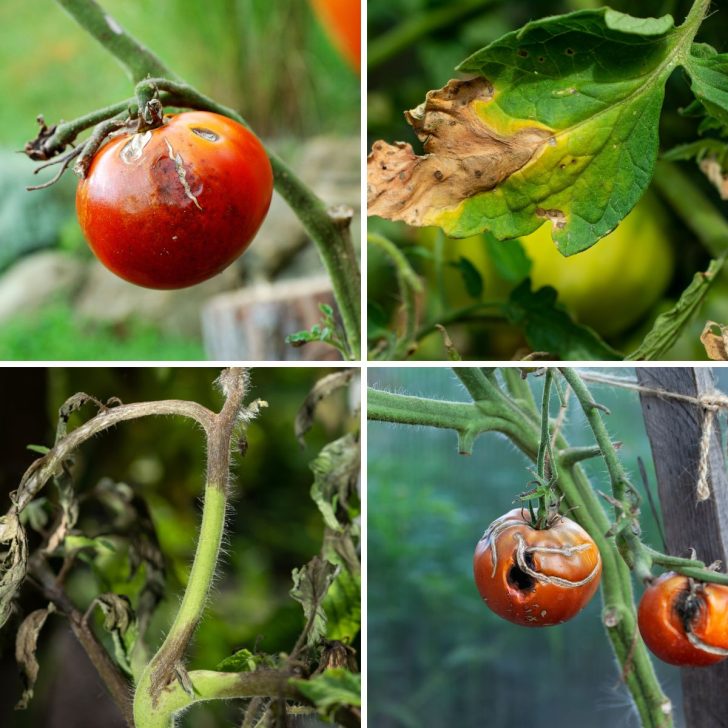
- Leaf Lesions: Initial symptoms appear on the older leaves as pale green, water-soaked spots. As these lesions grow, they take on a dark brown to purplish-black hue. The spots may be surrounded by a pale green halo.
- Stem Lesions: Dark, elongated lesions can appear on stems.
- Fruit Infection: Infected fruits show dark, rough patches, which are sunken and leathery in texture. These patches are often surrounded by a lighter halo.
- White Mold: Under humid conditions, a white, fluffy mold may appear on the underside of the leaf lesions. This is the fungus producing spores.

Causes of Tomato Late Blight
Tomato Late Blight is caused by the oomycete pathogen, Phytophthora infestans. Oomycetes are a water mold and are not a true fungus, but share many characteristics with fungi. This pathogen is infamous for its role in the Irish Potato Famine in the 1840s.[1]https://www.apsnet.org/edcenter/disandpath/oomycete/introduction/Pages/IntroOomycetes.aspx
- Moist and Cool Climates: Late Blight thrives in cool (60-70°F or 15-20°C) and moist environments. Prolonged periods of leaf wetness can particularly expedite the spread.
- Airborne Spores: The pathogen produces spores that are carried by the wind, making it challenging to contain outbreaks.
- Infected Plant Material: Buying or using infected plant materials, such as seedlings or tubers, can introduce the pathogen to your garden.
Treatment and Management or Tomato Late Blight
- Preventive Measures: Always start with disease-free seeds and plants. If possible, opt for resistant tomato varieties. Properly spacing plants ensures good airflow, reducing humidity and leaf wetness.
- Fungicides: Copper-based fungicides can be effective against Late Blight when applied preventatively and after the first sign of the disease. Always follow label instructions carefully. Some organic options include copper soap and copper spray.
- Remove & Destroy Infected Plants: At the first sign of infection, remove affected plants or plant parts. Do not compost them; it’s better to burn or dispose of them in the trash to prevent the spread of the disease.
- Crop Rotation: Avoid planting tomatoes or potatoes in the same spot year after year. A rotation of 3-4 years is recommended.
- Watering: Water your plants in the morning, so the foliage has time to dry throughout the day. Using soaker hoses or drip irrigation, which directs water to the base of the plant and keeps foliage dry, can also help.
- Regular Monitoring: Regularly inspect your plants for signs of Late Blight. Early detection is key to managing the spread.
Signs of Tomato Late Blight are discouraging for gardeners. However, with the right knowledge and tools you can minimize its impact. Regular inspection, preventive measures, and proactive treatment can go a long way toward preventing and thwarting Late Blight infiltration in your garden.

I’m LeAura Alderson, a garden, herb and plant enthusiast with a passion for discovering the many edible and medicinal benefits of the plants all around us, including the weeds! I’m a writer, editor and media publisher for our family of websites.
While I was certified in fitness and life coaching, I am NOT a health practitioner. However, I’m a lifelong health enthusiast, with a keen interest in healthy, organic foods and making home remedies and the content we share is from our own experience and usage as well as that extracted from scientific research so that you can explore further on your own.
Always seek the advice and guidance of your health practitioners first and foremost.
As a family we’re steadily expanding our gardening, experimentation and knowledge around all things gardening, edible landscaping, fresh organic foods and self sustainability with farming in our future. I also own and manage iCreateDaily.com, a site all about transformation through creation, and the power of positivity, optimism and mindset.
References