

Native to China and Korea, Trifoliate orange is said to be the hardiest citrus tree and grows down to USDA Hardiness Zone 6. The flying dragon fruit tree, Trifoliate Orange citrus is a fruit worth knowing and possibly growing, but not without words of warning.
Trifoliate means foliage with three leaves, so the flying dragon fruit tree leaves grow in 3-leaf clusters. The trifoliate orange is a member of the Rutaceae (rue) family of citrus plants. Let’s do a quick review of the names and classification of this unique plant.
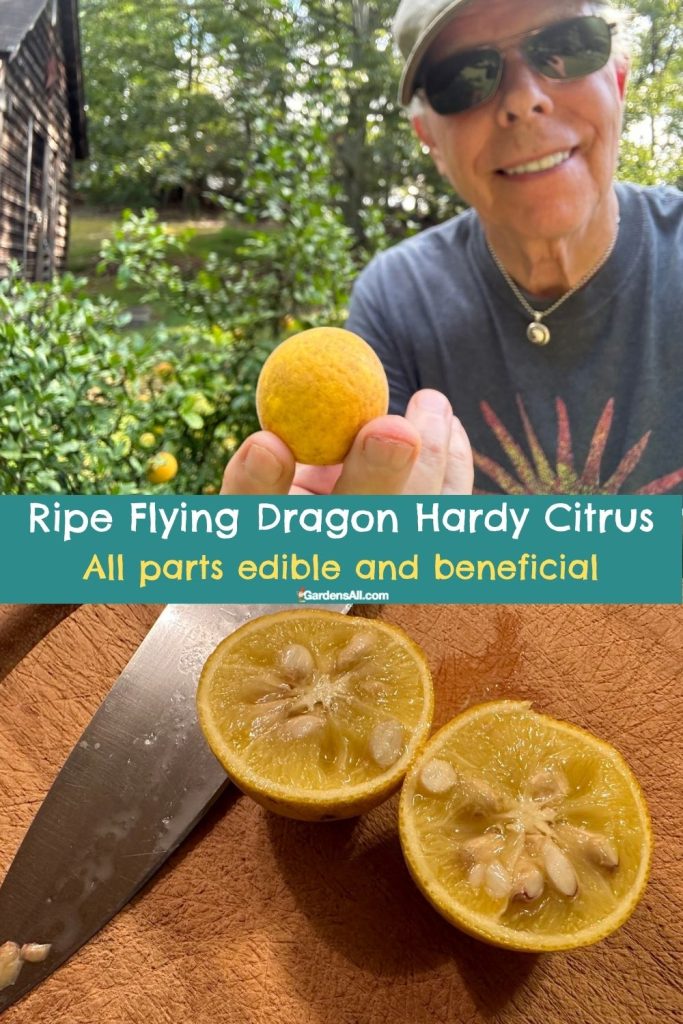
Flying Dragon Fruit Names
Common Names for Trifoliate Orange
- Trifoliate Orange
- Flying Dragon (for certain dwarf, contorted forms)
- Japanese Bitter Orange
- Hardy Orange
- Chinese Bitter Orange
Scientific Names for Flying Dragon Fruit Tree
- Poncirus trifoliata – This is the more traditional and widely accepted name for the Trifoliate Orange. The genus Poncirus is closely related to Citrus, and this species was originally classified under its own genus.
- Citrus trifoliata – Some taxonomists and botanists have proposed including Poncirus within the Citrus genus due to their close relationship, leading to this alternative name. However, Poncirus trifoliata remains the more commonly used name.
Taxonomy of Flying Dragon Fruit
- Kingdom: Plantae
- Division (or Phylum): Magnoliophyta (or Angiosperms)
- Class: Magnoliopsida (or Dicotyledons)
- Order: Sapindales
- Family: Rutaceae
- Genus:Poncirus or Citrus
- Species: P. trifoliata or C. trifoliata
- Genus:Poncirus or Citrus
- Family: Rutaceae
- Order: Sapindales
- Class: Magnoliopsida (or Dicotyledons)
- Division (or Phylum): Magnoliophyta (or Angiosperms)
Citrus Trifoliata Origin
Introduced to the United States in the 1850’s by US Dept. of Ag. botanist, William Saunders, the flying dragon fruit tree traces back to Central-to-Northern China and Korea. This hardy citrus tree has since naturalized in Arkansas and Louisiana and has been found in 15 other southern states as well.
Trifoliate Orange Hardiness Zones
The hardiness zone for Trifoliate Orange typically ranges from USDA Zone 5 to Zone 9. This means the plant can tolerate winter temperatures down to -20°F (-29°C) in Zone 5. However, while the plant itself can survive in these colder zones, it’s worth noting that the fruit might not mature properly in the colder end of this range.
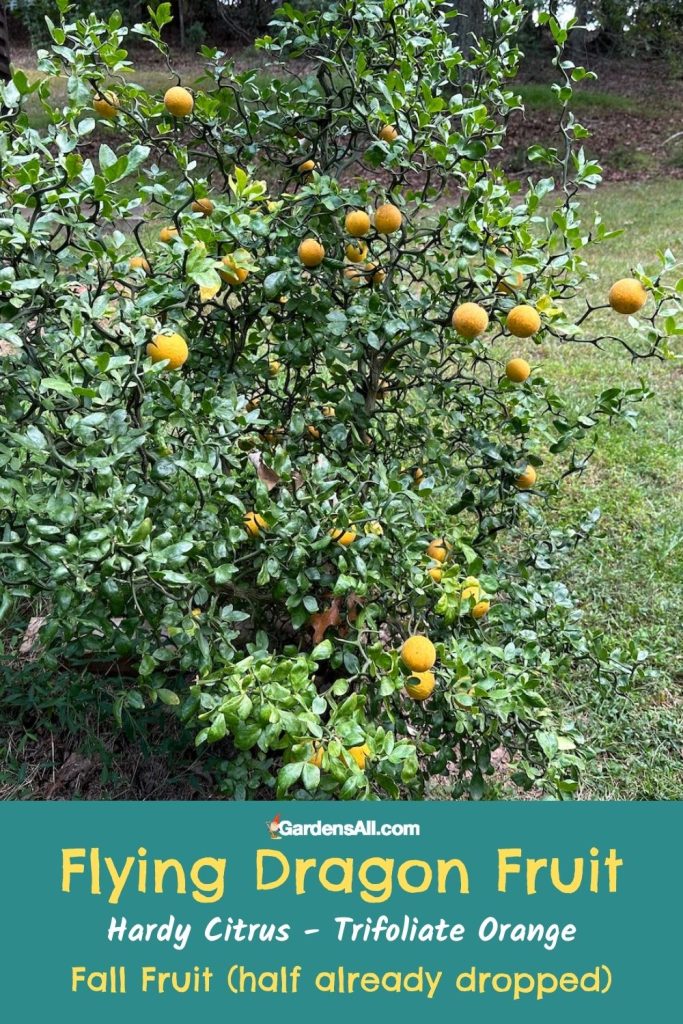
Is Flying Dragon Fruit Tree Invasive?
The Trifoliate Orange, including its cultivar “Flying Dragon,” is not typically considered invasive in most regions. However, it’s worth noting a few things:
- Hardiness and Spread: The Trifoliate Orange is a hardy plant that can tolerate a range of soil conditions and temperatures. It can spread through root suckers and seeds, which means it has the potential to establish itself in areas where it’s planted and possibly beyond.
- Use as Rootstock: One of the primary uses of the Trifoliate Orange, including the Flying Dragon cultivar, is as a rootstock for grafting other citrus varieties. When used as rootstock, the primary concern is not about it becoming invasive but rather about it imparting certain desirable traits to the grafted citrus, such as cold hardiness.
- Local Regulations: While the Trifoliate Orange is not widely recognized as invasive, it’s always a good idea to check local regulations and guidelines before planting any species. Some regions might have specific concerns based on local ecosystems and the potential for non-native species to become problematic.
- Potential to Naturalize: In some areas where conditions are favorable, the Trifoliate Orange might naturalize, meaning it can grow and reproduce on its own without human intervention. However, naturalizing does not necessarily equate to being invasive. An invasive species typically causes harm to the environment, economy, or human health.
Naturalized in the Northeastern US, the Flying Dragon Fruit, trifoliate orange, may be invasive in some areas. We’re growing ours in North Carolina, zone 7a, and haven’t noted any issues with invasiveness. However, when considering any new non-native plant, it’s a good idea to do your research and/or consult local guidelines and experts when considering planting non-native species.
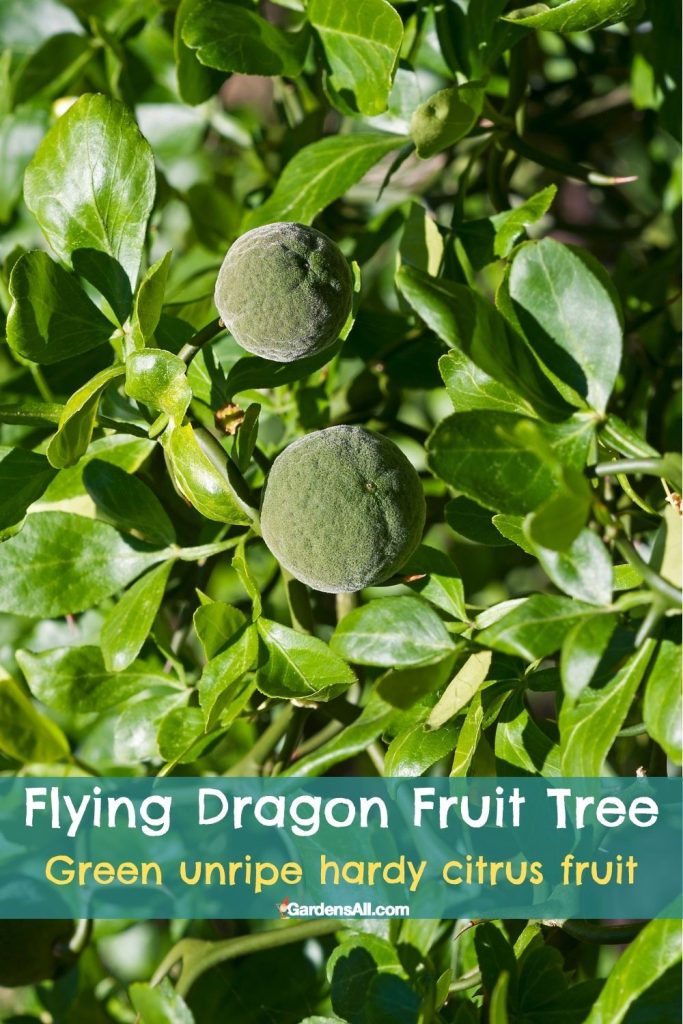
Is Flying Dragon Fruit Edible?
Another name for the flying dragon fruit tree is ‘bitter orange’. So while you can eat the citrus trifoliata flying dragon fruit, you’re not likely to want to, unless you prepare it in recipes.
Tart with lots of seeds, these hardy citrus aren’t good for eating alone, but they do have a number of uses that put this vitamin C rich antioxidant citrus to good use. Best not to heat it over 140° in order to preserve the vitamin content.
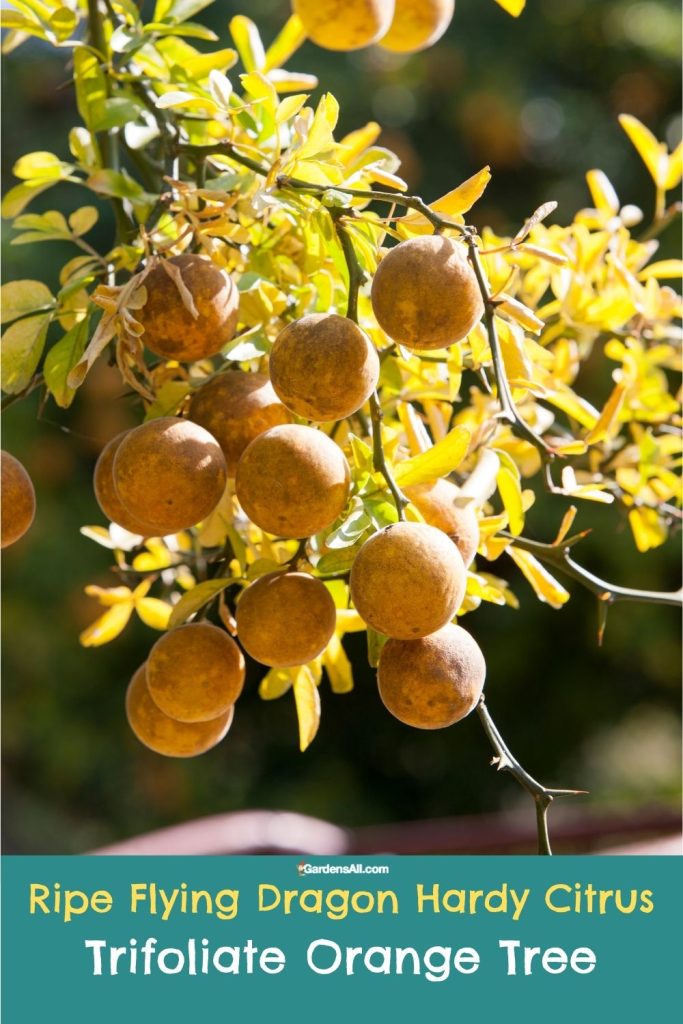
Trifoliate Orange Uses and Benefits
Benefits of Trifoliate Orange Seeds
Since these small citrus oranges have LOTS of seeds, it’s great to discover some of the many uses and benefits of these potent gems.
- Used in traditional Chinese medicine to address gastrointestinal discomfort.
- Potential anti-inflammatory effects.
- May contain compounds with antioxidant properties.
- Some research indicates potential antimicrobial properties.
- Ongoing research into other therapeutic benefits, including anti-cancer, anti-diabetic, and neuroprotective effects.
Trifoliate orange seeds could be an important source of dietary polyphenolic antioxidant compounds and immunopotentiating activity, that may have potential benefits in health and disease management.
REFERENCE: June 2012 Study on the Bioactivity of Trifoliate Orange[1]https://www.ncbi.nlm.nih.gov/pmc/articles/PMC3866750/
Uses of Trifoliate Orange Seeds
- Employed in traditional Chinese medicine as “Zhi Shi” to regulate the flow of qi and alleviate stagnation.
- Extracts:
- used in cosmetic and skincare products
- provides similar health benefits to grapefruit seed extract (GSE)
- Seeds can be planted to grow rootstock saplings for grafting other citrus varieties.

Benefits of Trifoliate Orange Rind
- Used in traditional Chinese medicine to alleviate symptoms of indigestion and bloating.
- Contains bitter compounds that can stimulate the production of digestive enzymes.
- Rich in flavonoids known for their antioxidant properties.
- Potential anti-inflammatory effects.
- Some studies suggest potential anti-cancer properties.
Uses of Trifoliate Orange Rind:
- Employed in traditional Chinese medicine as “Zhi Ke” or “Zhi Qiao” to regulate the flow of qi.
- Essential oils from the rind can be used in aromatherapy, perfumery, and as flavoring agents.
- The rind is used in culinary preparations, such as marmalades, jellies, and preserves.
- Extracts might be used in cosmetic and skincare products due to potential skin-friendly properties.
Benefits of Trifoliate Orange Fruit (Juice and/or Pulp):
- High vitamin C content, which is essential for immune function and skin health.
- Contains dietary fiber, which aids in digestion and promotes gut health.
- Potential antioxidant properties due to the presence of various phytochemicals.
- The juice might have anti-inflammatory effects, beneficial for conditions characterized by inflammation.
Uses of Trifoliate Orange Fruit (Juice and/or Pulp):
- The juice can be used as a base for beverages, including teas and cocktails.
- The pulp can be used in culinary preparations, such as sauces, dressings, and desserts.
- In traditional medicine, the juice might be used to treat certain ailments, though this is less common than uses of the seeds or rind.
- The juice can be used as a natural souring agent in recipes.
For a citrus plant that is small and can be grown indoors in winter, we love the dwarf Meyer lemon tree.
See Our Video Introduction to the Flying Dragon Orange Citrus Tree
Here, Coleman shares on our Hardy Citrus tree.
Trifoliate Orange Recipes
The entire fruit can be used in various ways and has potent medicinal and nutritional benefits. The proliferation of so many seeds in each small fruit can be considered a blessing when you put them to use for you.
Recipe for Trifoliate Lemonade
- 16 Oz water
- 1 or 2 tablespoons Poncirus Trifoliate juice
- 4 tablespoons sweetener (we like to use agave or stevia)
Stir together and enjoy, either warm or cold.
Trifoliate Orange Tea
Ingredients:
- 1-2 Trifoliate Oranges
- 2 cups (500ml) water
- Honey or other sweetener to taste
Instructions:
- Bring the water to boil.
- Wash the oranges and thinly slice them into rings or quarters, removing seeds (optional).
- Place sliced oranges into a 4 cup measuring cup.
- Pour boiling water over the water and allow to steep, covered, for 10-15 minutes.
- Strain the tea into cups and add honey, stevia or sweetener of choice to taste.
Trifoliate Orange Marmalade
Ingredients:
- 2.2 lbs (1 kg) Trifoliate Oranges
- 2.2 lbs (1 kg) sugar
- 8.5 cups (2 liters) water
Instructions:
- Wash the oranges and slice them thinly, removing seeds.
- Place the sliced oranges in a pot and cover with water. Let them soak overnight.
- The next day, bring the oranges and water to a boil. Simmer for about 1 hour or until the fruit is soft.
- Add sugar and stir until dissolved.
- Boil the mixture until it reaches the setting point (about 220°F or 104°C).
- Once ready, pour the marmalade into sterilized jars and seal.
Trifoliate Orange Jelly
Ingredients:
- 2.2 lbs (1 kg) Trifoliate Oranges
- Sugar (amount varies based on juice extracted)
- Water
Instructions:
- Wash the oranges and cut them into quarters.
- Place the fruit in a pot and cover with water. Boil until the fruit is soft.
- Strain the mixture through a jelly bag or cheesecloth to extract the juice.
- Measure the juice and add an equal amount of sugar.
- Bring the mixture to a boil and cook until it reaches the setting point.
- Pour the jelly into sterilized jars and seal.
Trifoliate Orange Liqueur
Ingredients:
- 4-5 Trifoliate Oranges
- 1 quart (1 liter) vodka or neutral spirit
- 1.1 lbs (500g) sugar
- 1 cup (250ml) water
Instructions:
- Wash the oranges and slice them thinly.
- Place the sliced oranges in a jar and cover with vodka. Seal the jar and let it infuse for about 4 weeks.
- After 4 weeks, strain the liquid and discard the fruit.
- Make a simple syrup by boiling sugar and water until the sugar dissolves. Allow it to cool.
- Mix the infused alcohol with the simple syrup. Adjust sweetness to taste.
- Bottle the liqueur and store in a cool, dark place.
Trifoliate Orange Pickle:
Ingredients:
- 4-5 Trifoliate Oranges
- 2 tbsp salt
- 1 tbsp chili powder (adjust to taste)
- 1 tsp turmeric powder
- 1 tbsp mustard seeds
- 2 tbsp sesame oil
Instructions:
- Wash the oranges and cut them into small pieces, removing seeds.
- In a bowl, mix the orange pieces with salt, chili powder, and turmeric powder.
- Heat the sesame oil in a pan and add mustard seeds. Once they start to splutter, turn off the heat.
- Add the spiced orange mixture to the pan and mix well.
- Allow the pickle to cool and then transfer it to a sterilized jar.
- Store in a cool, dark place for a week before consuming. The pickle can be eaten with rice or bread.
Flying Dragon Fruit Tree, AKA the Wild Edible Trifoliate Orange
As you can see from this video image, the flying dragon fruit has a high ratio of seeds to fruit. It is reminiscent in this way to the American wild persimmons.
However, the main benefit for us, and why we’re growing these is for the availability of citrus fruit high in vitamin C and calcium, for cooler growing zones.
References on the Benefits Hardy Orange Rind
Here are some references related to the benefits of citrus rinds, which can be indicative of the potential benefits of Trifoliate Orange rind, as well as one study specific to Poncirus trifoliata:
- Traditional Chinese Medicine:
- Bensky, D., Clavey, S., & Stöger, E. (2004). Chinese Herbal Medicine: Materia Medica (3rd ed.). Eastland Press. This book provides comprehensive information on various herbs used in traditional Chinese medicine, including the Trifoliate Orange.
- Flavonoids and Antioxidant Properties:
- Tripoli, E., La Guardia, M., Giammanco, S., Di Majo, D., & Giammanco, M. (2007). Citrus flavonoids: Molecular structure, biological activity and nutritional properties: A review. Food Chemistry, 104(2), 466-479.[2]https://www.sciencedirect.com/science/article/abs/pii/S0308814606009356
- Anti-inflammatory Effects:
- Jayaprakasha, G. K., Mandadi, K. K., Poulose, S. M., & Patil, B. S. (2007). Inhibition of colon cancer cell growth and antioxidant activity of bioactive compounds from Poncirus trifoliata (L.) Raf. Bioorganic & Medicinal Chemistry, 15(14), 4923-4932.[3]https://pubmed.ncbi.nlm.nih.gov/17512744/
- Essential Oils and Aromatherapy:
- Guenther, E. (1972). The essential oils. Malabar, FL: Krieger Publishing Company. This book provides a comprehensive overview of essential oils from various plants, including citrus species.[4] jQuery('#footnote_plugin_tooltip_34453_1_4').tooltip({ tip: '#footnote_plugin_tooltip_text_34453_1_4', tipClass: 'footnote_tooltip', effect: 'fade', predelay: 0, fadeInSpeed: 200, delay: 400, fadeOutSpeed: 200, position: 'top center', relative: true, offset: [-7, 0], });/reference/ReferencesPapers.aspx?ReferenceID=1066261" target="_blank" rel="noreferrer noopener">https://www.scirp.org/(S(vtj3fa45qm1ean45vvffcz55))/reference/ReferencesPapers.aspx?ReferenceID=1066261))

I’m LeAura Alderson, a garden, herb and plant enthusiast with a passion for discovering the many edible and medicinal benefits of the plants all around us, including the weeds, while transforming the land through regenerative permaculture practice. I am also a writer, editor and media publisher (now mostly retired due to replacement by AI), but which now allows more time to build our regenerative permaculture homestead farm.
References