
A Story of What’s Possible
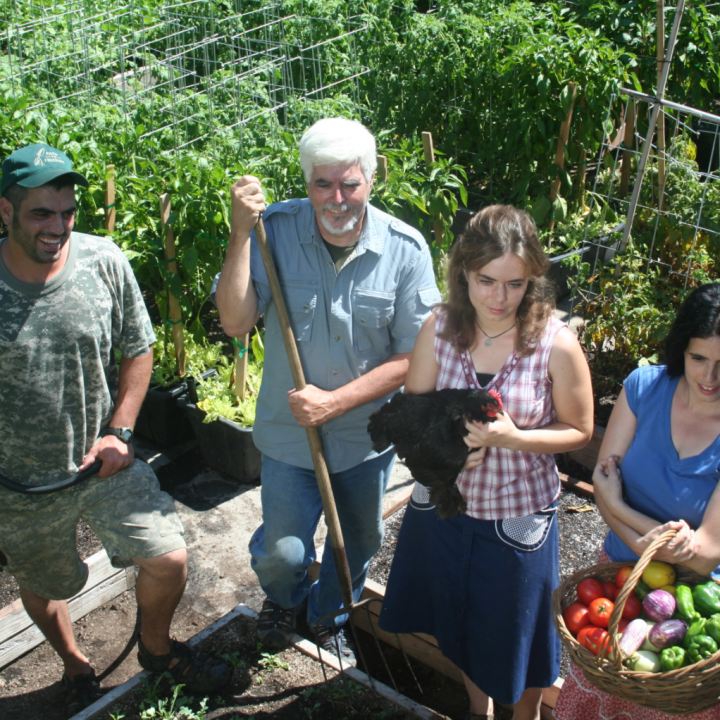
If you’d love to farm, but don’t yet have the land, take heart. It’s proven possible to create an urban homestead on less than 1/4 acre of land when you swap grass for food.
Now gardening is work. This is not about an easy way to make money or to feed your family. But it is about how it’s possible to do so much more with less.
Once the harvests start coming in… most agree that it’s totally worth it. There’s nothing better than home grown organic food. Add in culinary and medicinal herbs, and you’ll be growing your own food and medicine.
If you’re in the city or suburbs, you’ll be amazed to discover just how much food you can grow for you and your family. If your Home Owner’s Association is an issue, while that’s a problem, there are still work-arounds you can do to grow some foods.
An Urban Homestead Earning $20,000 per Year While Feeding a Family of Four!
This is one of our favorite urban farms success stories. If you’re looking to save money and eat healthier… perhaps even to make money from your yard, you will enjoy this article and video.
Editor’s Note: Now, if you’ve heard this story before, you’ll know that there was some tabloid stuff flying around about fighting over the trademarking of names, such as Urban Farming.
We’re not interested in getting into the weeds of the politics on this one. Rather, we’re keen to share what’s possible on small patches of land. So let’s focus on that and learn what we can.
“By the process of directly working in harmony with nature, we do the one most essential thing to change the world…
We change ourselves.”
~Jules Dervaes, UrbanHomestead.org

Swap Shrubs and Lawn for Fruits and Veggies
Typical North American backyards have a lawn area and shrubs. Some have flower beds and perhaps a few have a small garden plot or patio tomato plants. These kinds of yards costs money to maintain yet produce no food value.
Even if you don’t want to farm your yard for a living, it just makes sense to at least grow foods you can consume. Typical grocery produce offerings represent just a fraction of good food to grow and eat in your yard garden and edible landscape.
But back to the 1/10 acre urban homestead.
What’s Possible on Just 1/10 Acre Urban Garden
- 1/10 Acre Urban Homestead
- 4,356 square feet of space
- $20,000/year market earnings
- $4.59 per square foot of space earnings
- Plus feeding a family of four
Some lawns cost that each year in lawn care. This is done without the use of the expensive and destructive synthetic chemicals associated with industrial mono-cropping, while simultaneously improving the fertility and overall condition of the land being used.
If a 1/10th acre urban homestead can earn $20k in a year, that could scale up to $200,000 per year for an acre lot!
Imagine many city blocks worth of edible yard gardens. What a transformation can occur from the simple natural act of growing your own food.
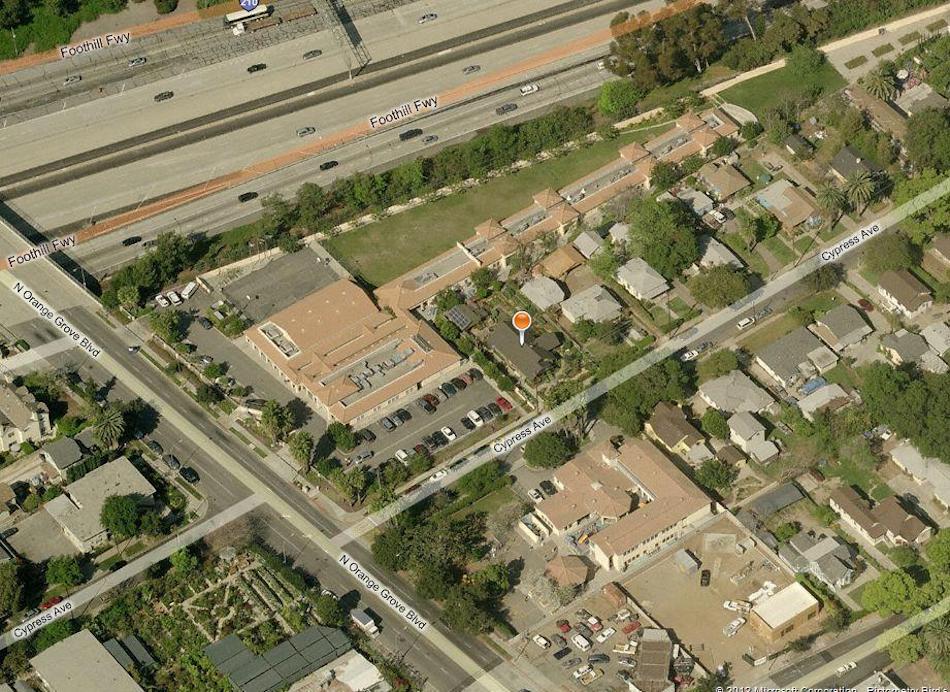
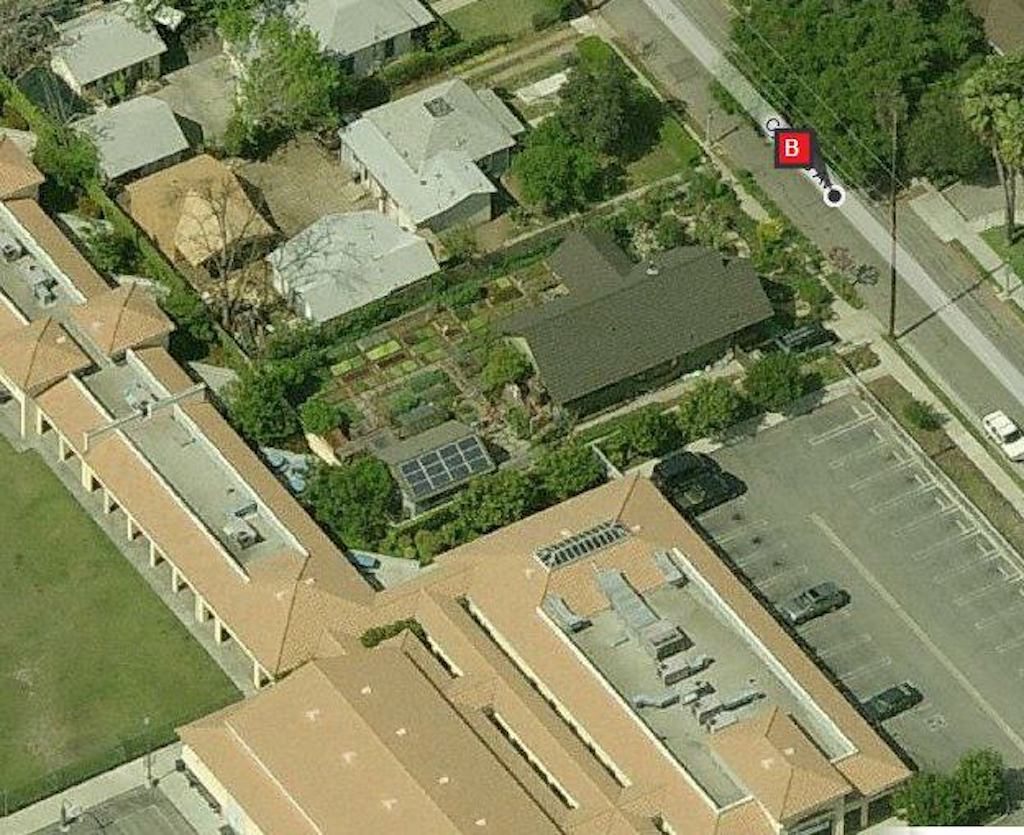
An Urban Homestead on just 1/10th Acre.
~UrbanHomestead.org
Perfect Conditions
Now granted, the Dervaes’s 1/10 urban homestead is in LA with a year-round growing season.
That’s an important consideration for those of us not in that climate or growing zone. We’d have to calculate and plan crops accordingly, so you might include in your calculations whether it may be beneficial to build or buy a greenhouse.
The Market Gardener – 6 Figures on 2 Acres
We were delighted to get to interview the author of The Market Gardener, Jean-Martin Fortier. In that, “JM” advises on the advantages of taking out a loan to get a greenhouse for faster growth.
He makes a really good point about how that investment, wisely planned, could pay for itself in the first year. His exact path to success is well laid out in his book.
Jean-Martin-Fortier’s success is because he approached his 2 acre farm like a business. Most farms and small business that don’t, struggle to succeed. You may be interested in tuning into that article and interview as well.[1]
And his story isn’t the only other one. Curtis Stone is another well known urban farmer who started farming on other people’s land. His story is well documented in his book: The Urban Farmer.
Edible Yard Gardens Just Make Sense
Foodscaping, landscaping, and yard gardening is gaining ground in urban and suburban settings. It just makes sense to grow less lawn and more edible fruits, vegetables and herbs.
In fact, if you think about it, growing your own food is far more normal and practical than spending money on lawn maintenance! So if you’re in the suburbs with a Home Owners Association (HOA) that won’t allow it, you may want to read this article on that.
If you just have a yard with limited ability to grow food, perhaps the best option is are dwarf fruit trees such as figs, apricots, cherries, peaches and pears. Consider your favorite fruits, then research which of those grow best in your area.
You’ll need ample sunlight, but fruit trees are something that even most HOAs won’t blink at. They take a few years to fruit, but it’s an investment worth making.
If you can find more mature fruit trees, they’ll cost more, but you’ll have harvests sooner, so it’s worth it. Many fruit trees first fruit around year five, but check with your
Homegrown Revolution – The Road to Freedom
It’s inspiring to see people transforming their lawns into edible gardens. One inspiring book by a man who specializes in transforming lawns to productive yard gardens is: Edible Estates: Attack on the Front Lawn.
If you’ve got a typical American urban backyard you could be growing most of your food like this family is doing. It’s amazing what they’re producing on just 1/10th of an acre!
There are many “hidden” benefits in this approach, so get ready to be inspired and consider what’s possible for you and your family.
WARNING: If you’re new to gardening it’s important to realize that it can be a lot of work. If you love gardening and spending time outdoors then great! Go for it. It’s a fantastic
Urban gardening is the road to freedom.”
~Jules Dervaes, UrbanHomestead.org
“In our society, growing food yourself has become the most radical of acts. It is truly the only effective protest, one that can—and will—overturn the corporate powers that be.”
~Jules Dervaes, UrbanHomestead.org
This is a lot of food for thought too, isn’t it?! We look forward to your thoughts so please comment on the GardensAll Facebook page or send us a note.
If you enjoyed this, you may also enjoy this micro farm article.
You will also enjoy a visit to the UrbanHomestead.org website, to learn more about the Dervaes’s family farm. And also the Urban Homestead Facebook page.
The Dervaes’s regularly host tours and classes for schools, so if you’re in the area, it would make for a wonderful visit!
Best to Start Small and Grow into it
You don’t need a lot of land to create a self sustainable living. In fact, it’s best to start small and grow from there, unless you’re certain you want to go all in with homesteading.
People who start out with little to no gardening and homesteading experience often get the land and then quickly get in over their heads. Far better to start small while accruing experience
All you need to start, is a small plot of urban land, suburban yard garden or country field, and a desire to become more self-reliant. And yes, there are those with homeowner association (HOA) restrictions, but there are always workarounds. For this article and story, we’re assuming that’s not an issue, but if it is, you may benefit from reading this article linked in the footnotes.[1]https://www.gardensall.com/gardens-not-allowed-hoa-homeowners-associations-and-yard-gardens/
The 5 F’s of Survival
You can produce the “five Fs” in even a small garden:
- Food
- Fuel
- Fiber
- Fertilizer
- Feedstock

If you are interested in becoming more self sufficient, you’ll enjoy learning from someone who is doing it. It’s valuable to learn from others’ successes and failures if we want to make faster progress.
Th