
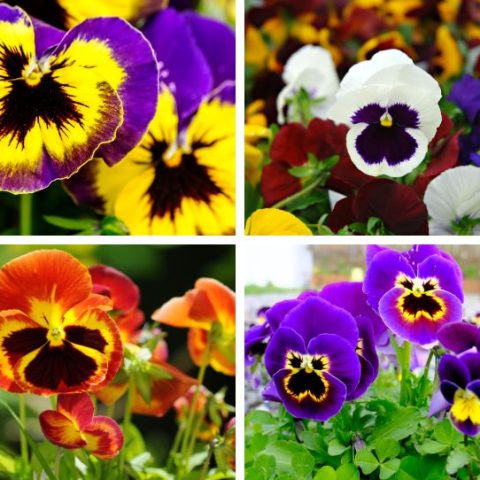
Planting Pansies by Zones and States from Seeds or Transplants
If you’re wondering when to plant pansies to ensure maximum longevity, growth and flowering, the answer depends on various factors which we cover in depth in this article. Feel free to skip to the section you’re most interested in via our Table of Contents below here.
An Overview of Planting Pansies
Pansies are hardy flowering plants typically suitable for USDA Hardiness Zones 4 to 8, although they can be grown in Zones 3-9 with proper care. Pansies cool-weather tolerance allows them to thrive in these zones, and their resilience to light frosts makes them a favorite for early spring and late fall planting.
If you’re not sure of your climate zone, you can find lots more information on hardiness zones here.
If Pansies are Frost Resilient, Then Why Worry About Frost Dates?
The reason pansies are often associated with frost timings is not because a mature or semi-mature pansy plant can’t handle frost, because it can. The association is more about optimizing the growing cycle and ensuring the plant has adequate time to establish roots, grow, and bloom before the harshest weather conditions (either the heat of summer or the deep freeze of winter) set in.
When planting seedlings or transplants outdoors, doing so a few weeks before the last expected spring frost gives them a chance to acclimate and take advantage of the cool spring weather. For fall plantings, setting them out a few weeks before the first expected frost ensures they’re established before winter.
A light frost might not damage the plant, but a hard freeze, where temperatures plunge well below freezing for a prolonged period, can. So while pansies are frost-tolerant, they are not entirely freeze-proof, especially when young. These guidelines help gardeners strike a balance between taking advantage of the pansy’s hardiness and avoiding undue risk.
Mature pansies have better resilience to frost and freeze.

When to Plant Pansies
Fall Planting for Pansies
Pansies are one of the popular fall flowers that thrive in cooler weather and are frost tolerant.
Advantages of Fall Planting:
- Longer Bloom Time: Planting in the fall often allows pansies to establish their roots before winter, leading to an earlier and longer bloom time in the spring.
- Richer Colors: Cooler temperatures can intensify the colors of pansy flowers.
When to Plant in Fall:
- Zones 4-6: Plant in late summer to early fall.
- Zones 7-8: Plant in early to mid-fall.
Spring Planting for Pansies
For gardeners who missed the fall planting season, spring is another opportunity to enjoy the beauty of pansies.
Advantages of Spring Planting:
- Instant Gratification: Pansies bloom quickly when planted in the spring, offering immediate color.
- Flexibility: It’s easier to coordinate the colors and patterns of spring-planted pansies with other blooming spring flowers.
When to Plant in Spring:
- Zones 4-6: Plant as soon as the soil is workable and frost danger has passed, typically from late winter to early spring.
- Zones 7-8: You can plant in late winter to early spring, but keep in mind that pansies may struggle in the warmer late-spring temperatures.
Keep in mind that some states fall into multiple zones due to variations in geography and climate. Always refer to a detailed USDA hardiness zone map for the most accurate information for your specific location.
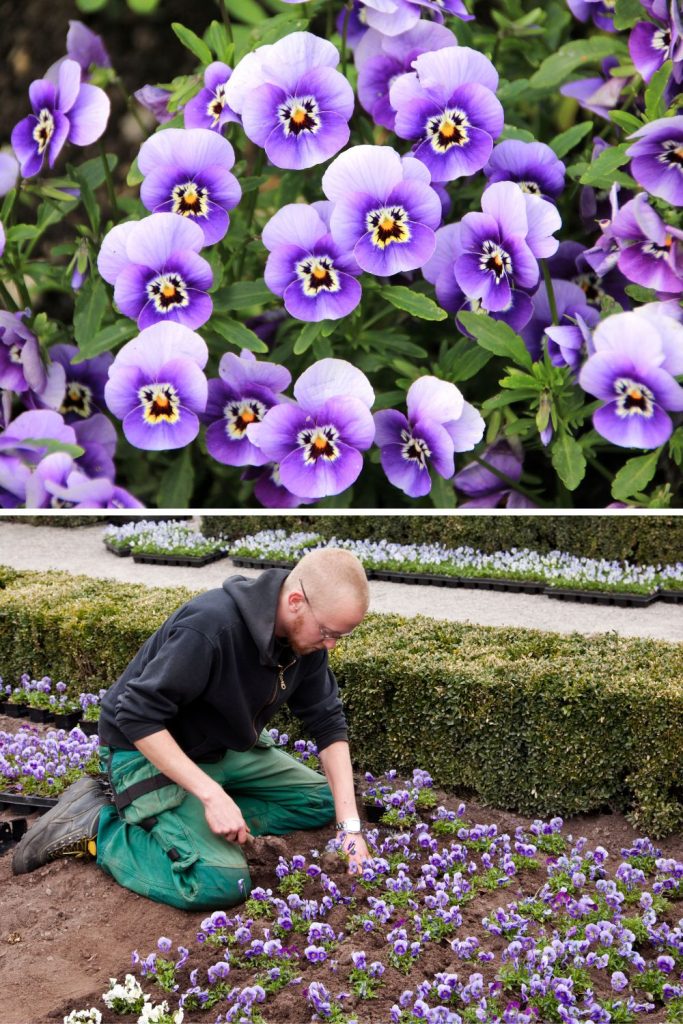
When to Plant Pansy SEEDLINGS (Transplants) by Zones and by States
Start pansy seeds indoors 6-8 weeks before the last expected frost in spring. This gives them time to germinate and grow to a transplantable size. See second charte below for more info on planting pansy seeds.
| ZONES | STATES | SPRING (Transplants) | FALL (Transplants) |
|---|---|---|---|
| Zones 1-2 | Alaska | Early to mid-June | Mid to late August |
| Zones 3-4 | Maine, Minnesota, Montana, New Hampshire, North Dakota, Vermont, Wyoming | Mid to late May | Early to mid-September |
| Zones 5-6 | Colorado, Connecticut, Illinois, Indiana, Iowa, Massachusetts, Michigan, Nebraska, New York, Ohio, Pennsylvania, Rhode Island, South Dakota, West Virginia, Wisconsin | Early to mid-May | Mid-September |
| Zones 7 | Arkansas, Delaware, Kentucky, Maryland, New Jersey, North Carolina, Oklahoma, Tennessee, Virginia | Early May | Early September |
| Zones 8-9 | Alabama, Arizona, California, Florida, Georgia, Louisiana, Mississippi, Oregon, South Carolina, Texas, Washington | Late April to early May | Late September |
| Zones 10-11 | California (southern), Florida (southern), Hawaii, Texas (southern) | Mid to late April | Early October |
Note: These timings are approximations based around typical frost dates. It’s essential to consider local conditions, especially since seedlings are slightly more fragile than mature plants. They can be damaged if exposed to a late spring frost or if planted too early in the fall. Always refer to local resources or experts before transplanting seedlings.
When to START Pansy SEEDS
Generally, pansy seeds are started indoors 6-10 weeks before the last expected frost. The exact timing can vary based on a few factors:
- Seed Variety: Some pansy varieties might have slightly different growth rates, and seed packets often provide specific recommendations for that particular variety.
- Growing Conditions: The rate of germination and subsequent growth can be influenced by the conditions you provide, such as temperature, light, and humidity.
- Transplant Goals: If you want larger, more established plants to transplant outside right after the last frost, then starting them on the earlier end of the range (around 10 weeks before) might be more appropriate. If you’re okay with smaller transplants or if you anticipate that they might stay indoors or in a protected area a bit longer, then 6-8 weeks might suffice.
- Pots vs. Ground: The timing for starting seeds doesn’t significantly differ between pots and in-ground planting. The key is to ensure that by the time the young pansies are ready to transplant, the outdoor conditions are suitable for them.
For best results, always refer to the specific guidelines provided on your seed packet and adjust based on your local conditions and planting goals. See also, our article on growing pansies in pots.
When to Plant Pansy Seeds by Zone and State
| ZONES | STATES | SPRING (From Seed) | FALL (From Seed) |
|---|---|---|---|
| Zones 1-2 | Alaska | Late May to early June | Late July to early August |
| Zones 3-4 | Maine, Minnesota, Montana, New Hampshire, North Dakota, Vermont, Wyoming | Early to mid-May | Mid to late August |
| Zones 5-6 | Colorado, Connecticut, Illinois, Indiana, Iowa, Massachusetts, Michigan, Nebraska, New York, Ohio, Pennsylvania, Rhode Island, South Dakota, West Virginia, Wisconsin | Late April to early May | Late August to early September |
| Zones 7 | Arkansas, Delaware, Kentucky, Maryland, New Jersey, North Carolina, Oklahoma, Tennessee, Virginia | Mid to late April | Early to mid-September |
| Zones 8-9 | Alabama, Arizona, California, Florida, Georgia, Louisiana, Mississippi, Oregon, South Carolina, Texas, Washington | Early to mid-April | Mid to late September |
| Zones 10-11 | California (southern), Florida (southern), Hawaii, Texas (southern) | Early April | Late September |
Note: Similar to the transplant planting guide, the timing is based on approximate frost dates for each zone. Local microclimates, altitude, proximity to bodies of water, and other factors can influence the specific dates for each region.
The spring dates are approximated around the last expected frost, while the fall dates are approximated around the first expected frost. But it’s always a good idea to consult local resources or gardening experts before finalizing planting schedules.
See also, our article titled What Temperature Will Kill Pansies.
Can Pansies Grow in Shade?
Pansies can tolerate some shade, but they thrive best in locations that receive a good amount of sunlight. Let’s check out the benefits and liabilities of growing pansies in the shade:
- Partial Shade: Pansies do quite well in partial shade. Partial shade refers to locations that receive filtered sunlight throughout the day or direct sunlight for only a few hours, typically in the morning or late afternoon. If you have a spot that gets 3-6 hours of sunlight daily, that’s a good place for pansies.
- Full Shade: Growing pansies in full shade, where they receive little to no direct sunlight, isn’t ideal. While they might survive, they won’t be as vigorous, and the bloom production will likely decrease. Moreover, the blooms that do appear might be smaller and less vibrant.
- Cool Weather & Shade: One advantage pansies have is their tolerance to cooler temperatures. Because of this, they can handle more shade during the cooler parts of the year, like early spring and late fall, than they can during the warmer months. The cool conditions help mitigate the lower light levels.
- Other Considerations: When growing pansies in shadier conditions, be mindful of watering. Less sunlight means the soil will dry out more slowly, increasing the risk of overwatering or waterlogged conditions, which can lead to root rot.
In summary, while pansies can handle some shade, especially during cooler periods, they’ll be happiest and most colorful in a location that offers them at least some direct sunlight daily. If you’re working with a fully shaded area, you might want to consider other shade-tolerant plants for optimal results.
You may be interested in shade tolerant hydrangeas or blue hostas.
Best Soil for Pansies
Pansies are not fussy but do prefer well-drained soil rich in organic matter. Before planting, it’s advisable to work in healthy compost to enrich the soil. They also like a slightly acidic to neutral soil pH of around 6.0 to 7.0.
If you’re soil needs more acidity, check out whether coffee grounds are good for plants in your garden.

I’m LeAura Alderson, a garden, herb and plant enthusiast with a passion for discovering the many edible and medicinal benefits of the plants all around us, including the weeds, while transforming the land through regenerative permaculture practice. I am also a writer, editor and media publisher (now mostly retired due to replacement by AI), but which now allows more time to build our regenerative permaculture homestead farm.