

Fig trees are one of the many wonderful plants that are both edible and medicinal, with many benefits and uses. So if you’re thinking of growing them, that’s a good thing and this article on how to grow figs indoors or outside, should help you get off to a good start with this wonderful plant ally.
You’ve probably eaten a Fig Newton cookie..? Love ’em or hate ’em, they’re a far cry from the taste of fresh figs. If you’ve ever plucked a perfectly ripe, soft fresh fig fruit from the branch and sank your teeth into the pink, seedy, nectar-sweet flesh, you’ll be hooked!
If you enjoy figs, might as well grow a fig tree or two. Fig trees are one of the easiest fruit trees to grow indoors or out.
Figs are one of the easiest fruit trees to grow.
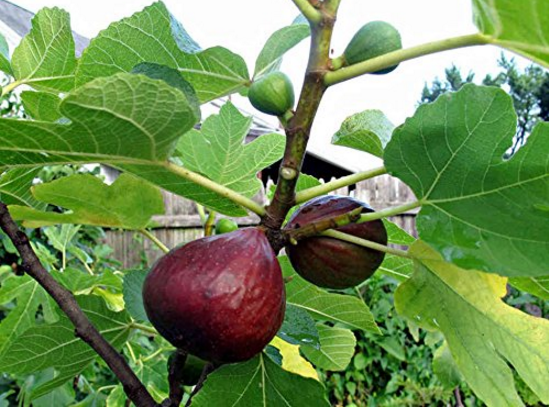
Fresh figs are a luxury fruit.
Dried Figs vs. Fresh Figs
You have probably seen and eaten dried figs. The “black” and “white” varieties are the most commonly seen dried figs sold in grocery stores. However, it’s rare to find a box of fresh figs, unless you’re in one of the few states that grow them.
Fresh figs simply don’t stay fresh for very long, which means they don’t travel well enough to export very far, so most grocery stores don’t even bother stocking them.

Fig Varieties
Five popular varieties of figs include:
- Brown Turkey Figs
- San Piero Figs
- Celeste Figs
- Bethlehem Black Figs
- Kadota Figs
There are other varieties, such as the Panache Tiger Fig, that are considered specialty crops that fetch a higher price at market. That’s because Tiger Figs tend to produce smaller crops and are a bit more difficult to grow than the most common commercial varieties.[1]https://www.burpee.com/fruit/figs/fig-panache-tiger-stripe-prod100091.html
Dwarf Fruit Trees
How big do dwarf fig trees grow? Dwarf trees naturally mature between 8-10 feet tall and wide. If you’re going to grow figs in containers and indoors part of the year, you’ll want to be sure to order a dwarf variety fig plant.[2]https://www.starkbros.com/growing-guide/article/fruit-tree-sizes
Speaking of dwarf fruit trees… we love growing the dwarf Meyer lemon trees, that bear fruit indoors in winter and outdoors in summer.
Fig Trees for Sale
Buy Local
We prefer to source plants from local nurseries first. This not only support local businesses, but you get the opportunity to get to know local business owners who become friends and a ready source of information and aid in your growing ventures.
Often, your local nursery or garden center will be glad to special order plants for you if they don’t have what you’re looking for. If something goes wrong and a plant gets sick, they’re often only a phone call away toward offering immediate troubleshooting advice.
If a plant does die, and you’ve done all the right things, local nurseries will often replace it for free or discounted within a reasonable warranty period.
Ordering Plants Online
We often like to try new, lesser known and exotic plants, such as tromboncino squash, red Kuri squash, cucamelons, and pumpkin-on-a-stick. For those, you may need to order online. Here are some of our go-to online plant and seed companies.
- Amazon can be a good resource of all kinds of plants. Just heed the reviews before ordering.
- Baker’s Creek, RareSeeds.com
- EdibleLandscaping.com is a great resource for all kinds of plants and information. Visit them in Virginia, or order online.[3]https://ediblelandscaping.com/buyPlants.php
- Fast Growing Trees
- Stark Bros Dwarf Figs
- See our list of 80+ Seed Companies
Propagating Figs From Cuttings
The best part about growing your own fig trees is that they are very easy to start just from cuttings. All you need to do is cut a 4-8 inch piece of branch off a thriving tree. It doesn’t matter if there are a few leaves or none.
How to Grow a Fig Tree from Cuttings – Part 1
How to Grow a Fig Tree from a Cutting – Part 2
Air Propagation
A new technique demonstrated by Mike of Mike’s Backyard Nursery.
Rooting Fig Tree Cuttings in Soil
Place fig cutting into a small pot of healthy moist soil, compost or potting soil. You can use rooting hormone if you like but it’s not essential. However, some — like Ross Raddi — favor parafilm for the cuttings.
If you stick the fig cutting in soil, keep the soil moist for 2-4 weeks until roots form and leaves begin to grow. Transplant as needed, by upsizing to a new pot each year.
Propagating Figs in Water
Alternately, you can simply place the cutting in a jar of water in a bright window. You should see roots beginning to sprout after a week or two, and you can then pot them.
Once they begin budding and leafing out, you have the option to plant it in their permanent home in the ground, or keep it potted.
Propagating Figs In Summer
The baby you have planted will be an exact clone of the parent fig, so you will want to grow several types or varieties in order to expand your market.
How to Grow Figs in a Pot
You can plant smart from the start by planting your fig trees in rolling pots. Rolling pots and plant dollies really help for moving heavier plants around indoors and out. Indoors you may want to move them a bit to chase the sun as well as the functionality of being able to more easily clean around and under them.
Be sure to invest in a plant dolly with heavy duty castors like this plant dolly good for up to 500 lbs. It’s reasonably priced and ships for free if you have Amazon Pr