

The Roselle plant, Hibiscus sabdariffa, originally hails from West Africa, though it has a long-standing history in many tropical and subtropical regions around the world.
The Roselle Plant
Taxonomy of Hibiscus sabdariffa:
- Kingdom: Plantae
- Phylum: Angiosperms
- Class: Eudicots
- Order: Malvales
- Family: Malvaceae
- Genus: Hibiscus
- Species: H. sabdariffa
- Genus: Hibiscus
- Family: Malvaceae
- Order: Malvales
- Class: Eudicots
- Phylum: Angiosperms
Hibiscus sabdariffa Common Names
- Roselle
- Jamaican sorrel
- Red sorrel
- Sudanese tea
- Florida cranberry
Best Climate for the Roselle Plant
The Hibiscus sabdariffa’s love for warm temperatures makes it suitable for regions with extended warm seasons. Ideally, it requires a temperature range between 77-86°F (25-30°C) for optimal growth.
Roselle can be Grow in Containers Indoors
This lovely hibiscus plant thrives in USDA hardiness zones 9 through 11. However, you can also grow Roselle in containers to bring indoors in zones colder than zone 8.
If you enjoyed this article, you may also enjoy these:
You can buy the Roselles on Amazon and other nurseries.
The Roselle Plant's Remarkably Beautiful Form and Function
Whether you're a seasoned horticulturist or a curious beginner, the Roselle plant is bound to enchant with its multifaceted offerings.
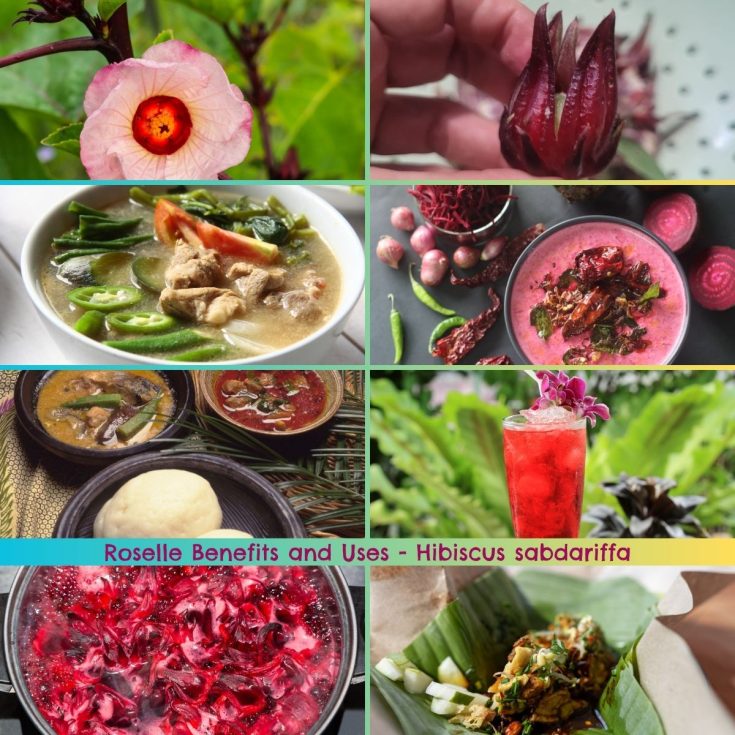
Roselle, a vibrant and versatile plant, is renowned for both its culinary delights and potent health benefits. Roselle has been shown to help regulate blood pressure, boost liver health, and is even linked to potential anticancer properties.
Its rich antioxidant content promotes overall well-being, and it has shown promising antimicrobial properties against harmful microorganisms. Roselle is undoubtedly a gift from nature with a myriad of uses and benefits.
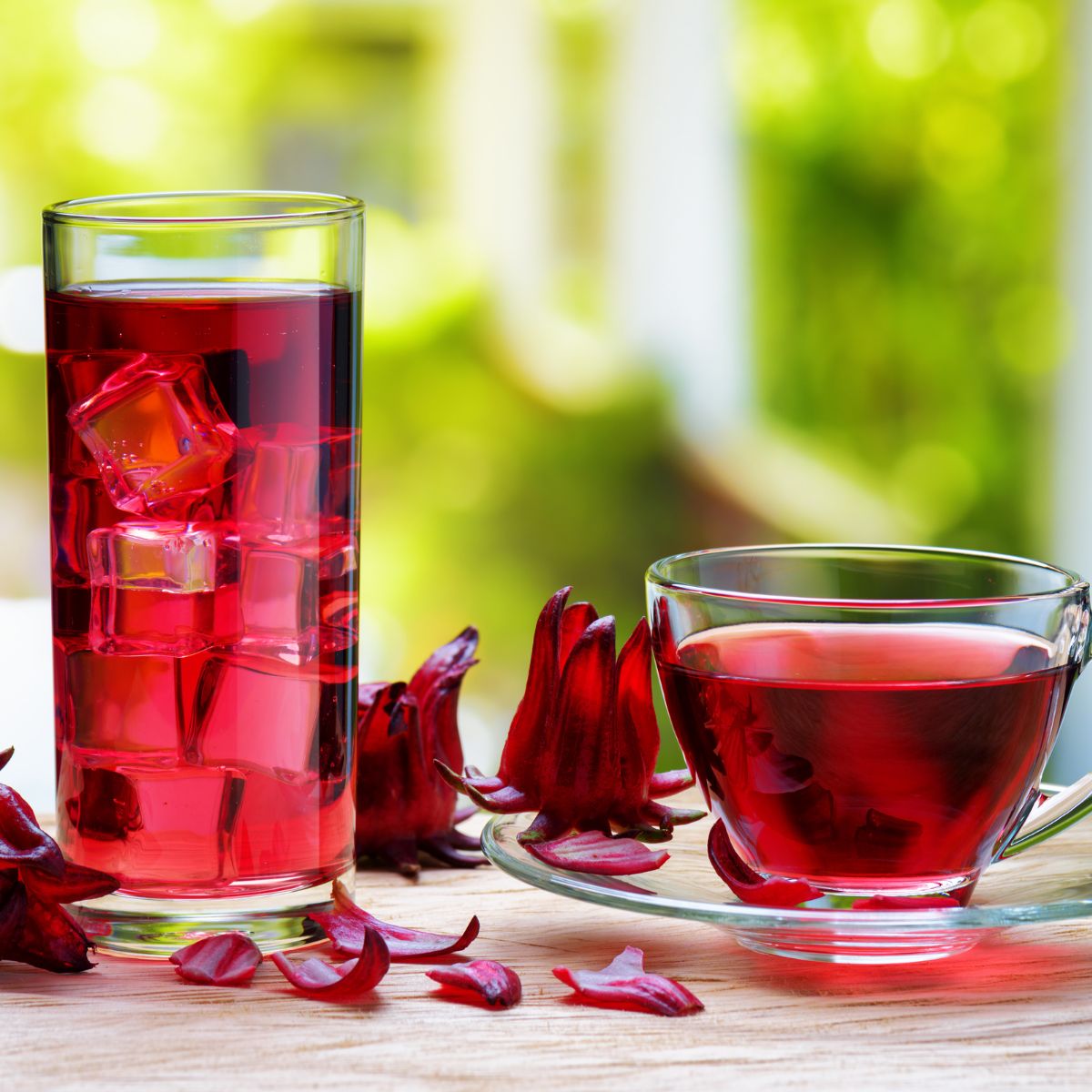
Roselle tea is more than just a refreshing beverage; it's a blend of history, culture, and health benefits. Whether you're sipping it on a cold winter evening or enjoying it as an iced drink on a hot summer day, Roselle tea promises a delightful and beneficial experience.

"Golden sunsets, cooling breezes, and the deep crimson hues of roselle blossoms – nature's cue that it's harvest time! When these ruby gems drape gracefully, slightly plump yet still tender, you know the perfect moment has arrived.
Dive into the vibrant world of roselle harvesting and discover when and how to pluck these jewels for the best flavor and benefits!"

From the heart of the vibrant Roselle blossom springs a lesser-known treasure: its seeds! Often overshadowed by the more celebrated calyces, Roselle seeds pack a punch of their own. Loaded with benefits and versatile in use, these tiny wonders are nature's unsung heroes.
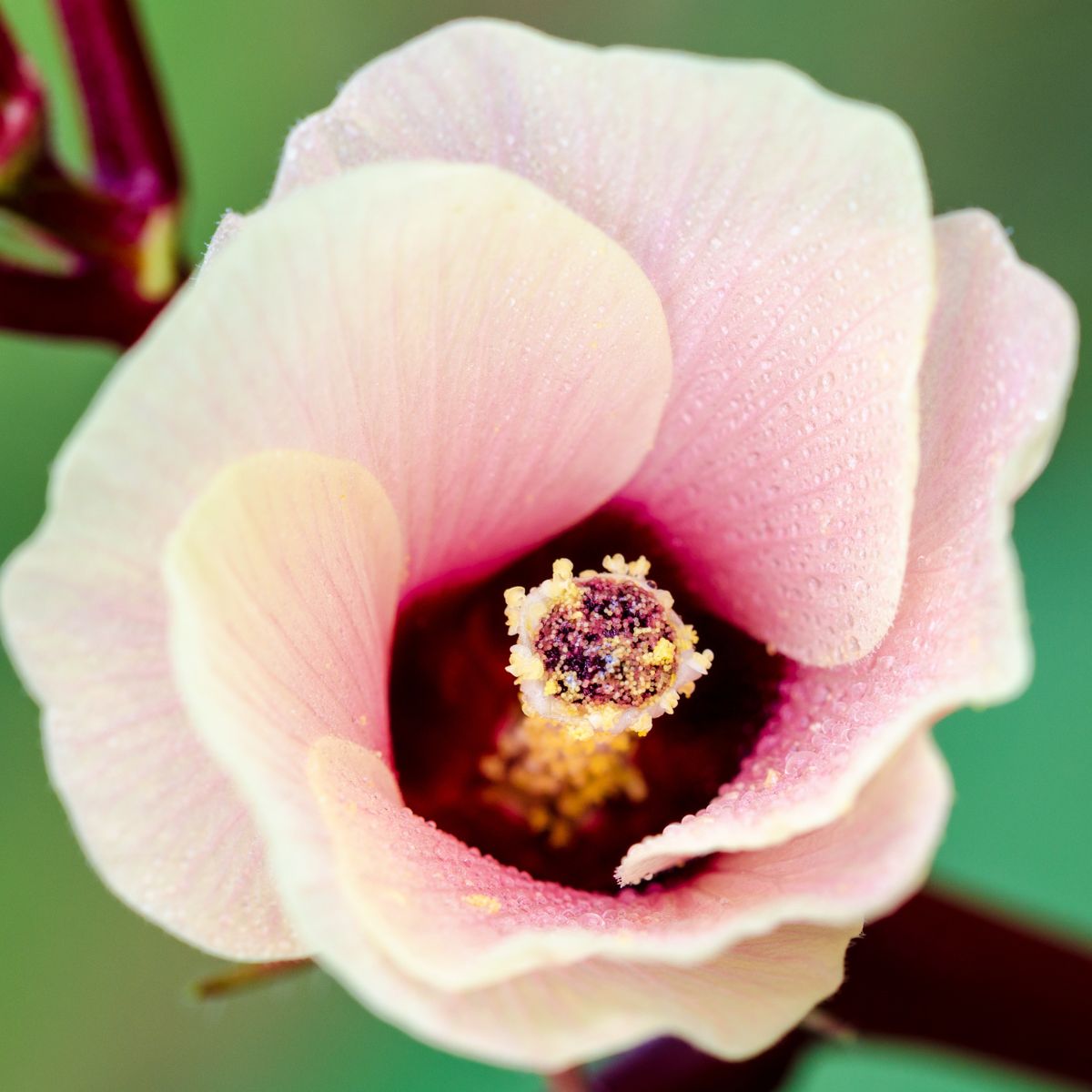
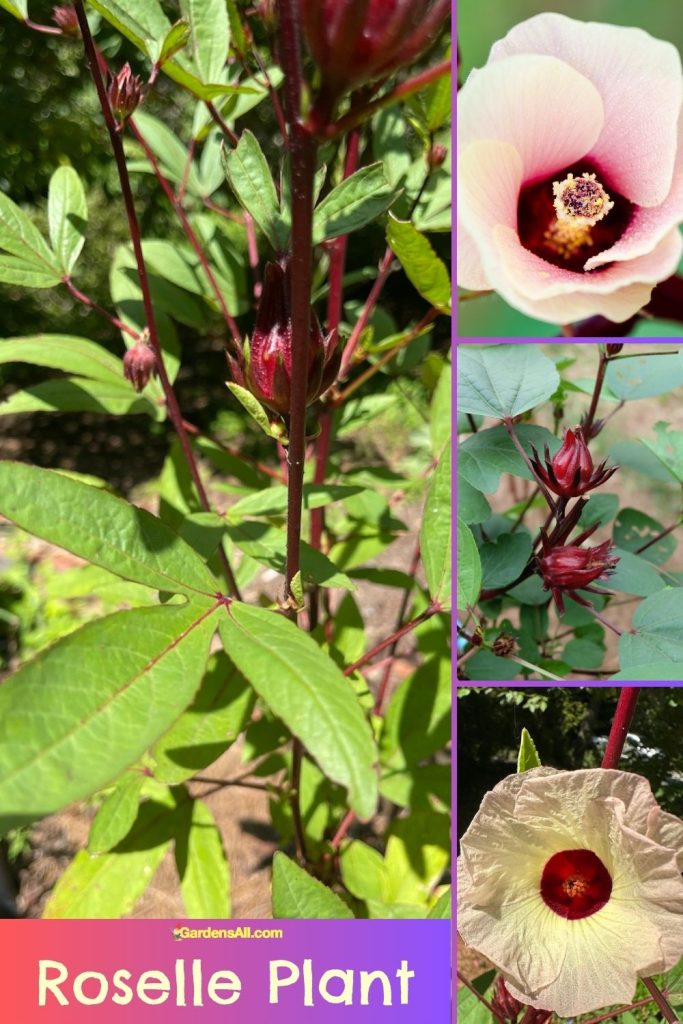
The Roselle flower has a deep red or burgundy center with pale pink petals. Like most hibiscus, these blossoms are relatively short-lived, and turn from pale pink to pale yellow before falling to make way for the prized calyces.
Each flower has five petals that radiate outwards, creating a classic hibiscus shape. Delicate yellow staminal columns protrude from the center, showcasing a beautiful contrast to the burgundy heart.

I’m LeAura Alderson, a garden, herb and plant enthusiast with a passion for discovering the many edible and medicinal benefits of the plants all around us, including the weeds, while transforming the land through regenerative permaculture practice. I am also a writer, editor and media publisher (now mostly retired due to replacement by AI), but which now allows more time to build our regenerative permaculture homestead farm.