

Don’t Throw Them Away… You Can Put Them to Good Use!
Whether you call it banana peels or banana skin, there are many banana skin benefits worth knowing and putting to good use. By the end of this article, chances are you’ll already be ideating and planning new ways to use banana peels for your home, garden and body!
Don’t waste banana peels… put them to use for benefits to plants, animals and people.
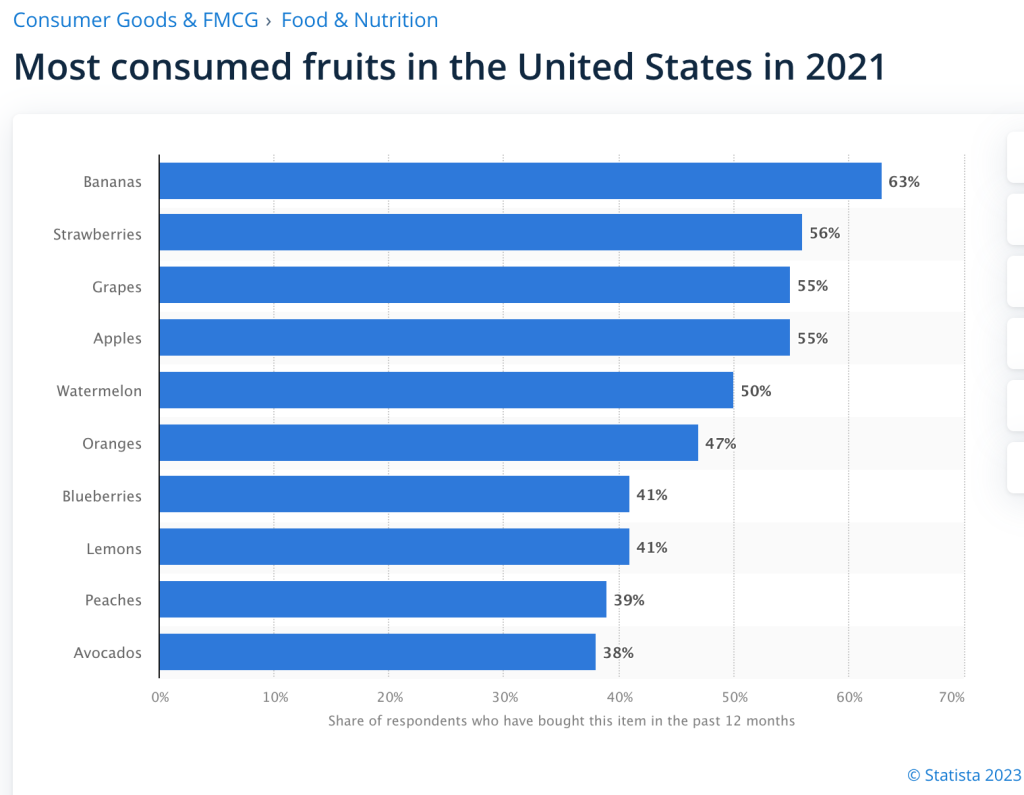
Bananas Are the Most Consumed Fruit in the World
According to Guinness World Records, bananas, (known botanically as Musa / Musaceae), are the most popular fruit in the world, and typically amongst the most affordable.T[1]https://www.guinnessworldrecords.com/world-records/74279-most-popular-fruit
Bananas are the number one consumed fruit in the World and in the United States, (exact percentages vary by year and by poll).
Bananas Are Also the Most Affordable Fruit
Besides their delicious sweet taste and oh-so-may uses, bananas are amongst the cheapest fruit in the world.
Regional in-season tropical fruits aside, in our area of USDA growing zone 7a (meaning bananas aren’t grown locally here), bananas are still the least expensive fruits we can buy.
The Economical Price of Bananas
We purchase most of our bananas from Costco and their organic bananas currently (as of January 2023) cost $0.89/lb, whereas their organic Gala apples cost $2.14/lb which is nearly 2.5 x the cost of bananas. Similarly, our local Lowe’s Foods grocer has their organic bananas at $0.89/lb and organic Gala apples at $3.99/lb.
How Much Does a Banana Peel Weigh
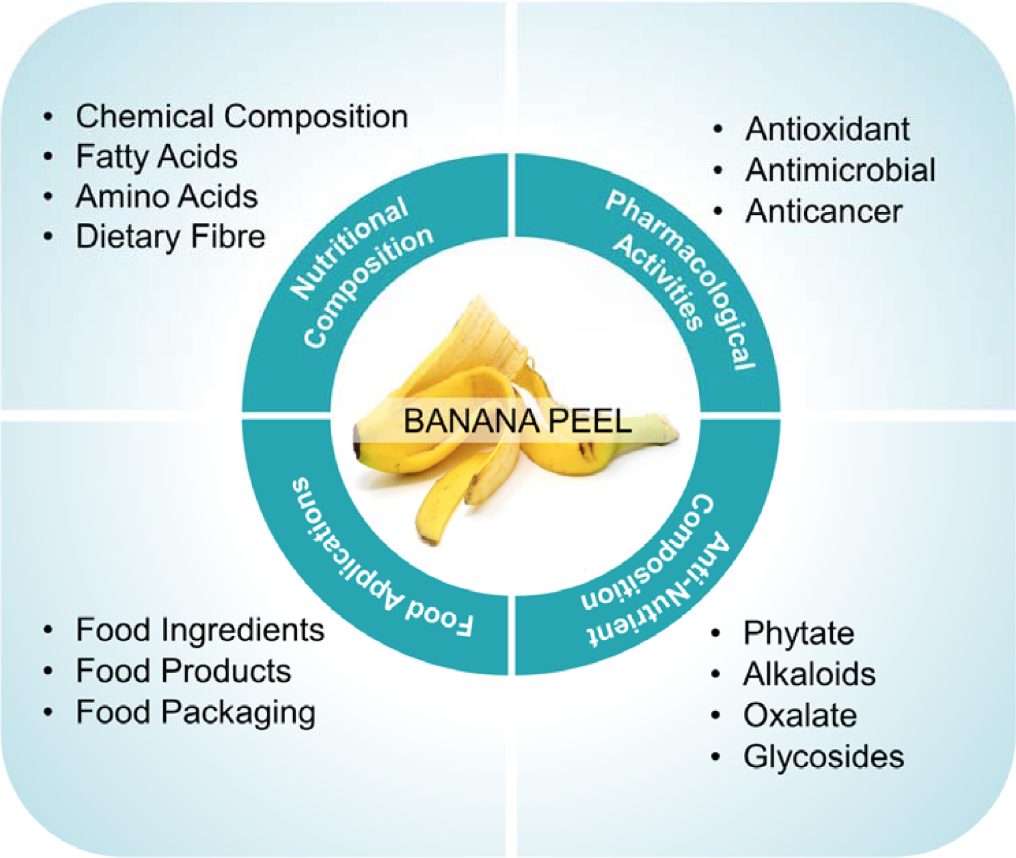
Given that the banana peel accounts for about 33% of the weight of the fruit, that means that most people around the world are throwing away 1/3 of the value of bananas. So it’s not surprising that scientists and food manufacturers would be interested in researching the benefits of banana peels.
Banana peels are 1/3 the bulk of a banana. So using banana peels multiplies the benefits and reduces waste.
Banana Peels vs. Banana Pulp
Research findings reveal banana peels to contain higher levels of some beneficial compounds than the banana pulp! In fact, banana peel benefits include potent antioxidant compounds as well as and antimicrobial benefits.[2]https://www.ncbi.nlm.nih.gov/pmc/articles/PMC9122687/[3]https://pubmed.ncbi.nlm.nih.gov/10725161/
But are banana peels good for plants? How about humans? Can you eat banana peels? These are the questions we’ve set out to answer in this deeply researched article, because we wanted to know all the ways we might use bananas rather than just tossing them all into the compost.
Even though banana peels are good for organic compost… maybe there are greater benefits and uses…?

Truth and Traditions on Banana Peels Use
Our research on banana peels began when an Indian friend said that she grew up using banana peels for watering plants in India, and still uses it to this day. Then a Mexican friend said she’d heard that banana tea was healthy.
There we were with excess bananas quickly becoming over-ripe. It was time to make banana bread with the pulp and to start learning about the proven benefits of banana peels so that we could put them to more use beyond making organic compost.
We’ve been regularly tossing banana peels into our organic compost bins for years now. More recently, we’ve been dehydrating bananas for banana tea, which is actually quite tasty, like bananas! Go figure! 😜
With so many urban legends and myths, we wanted to know the truth about banana peels benefits and uses. So we’ve explored traditional lore and also studied scientific papers and publications on banana peels, and that’s what we cover here.
If you see anything in this article that has been proven otherwise, or good information that you think would be good to add, we’d love to hear from you.
THE SCIENCE ON THE BENEFITS OF BANANA PEELS
Garden, Farm and Homestead Benefits of Banana Peels
- Aphids – anecdotal uses include spraying plant leaves with banana peel infused water.
- Attracts garden friendlies:
- Butterfly food – bits of banana and banana peels will attract butterflies
- Birds
- Other pollinators like bees
- Cleaner – clean off plant leaves using banana peels
- Compost – banana peel compost adds nutrient rich matter to plants and are proven to increase plant growth, and is also a good addition blended in with other compost.[4]https://www.ncbi.nlm.nih.gov/pmc/articles/PMC9418196/
- Fertilizer –
- fresh peels planted with plants or on top of soil, (however this is not recommended as it tends to attract pests)
- dried – chopped and dried, added to soil as is or powdered
- banana peel infused water –
- for houseplants, (anecdotal – traditional usage not studied scientifically, however the nutritional compounds of the peels plus proven benefits of banana peel compost implies that banana peel infused water should be beneficial as well)
- for watering garden plants
- Food for:
- Animals – a nutritious high fiber supplementary feed for livestock and other animals, such as goats, poultry and rabbits, as well as for fish and worm farms.
See our article titled: Can Chickens Eat Banana Peels - People – banana peels are edible and nutritious for people as well and used to make tea, flour, and add fiber, flavor, and nutrients to include peels and banana powders in baking, smoothies, popsicles, and as supplements.
See this simple healthy banana popsicle recipe.
- Animals – a nutritious high fiber supplementary feed for livestock and other animals, such as goats, poultry and rabbits, as well as for fish and worm farms.
- Pest Repellent – we couldn’t find any official studies, but — anecdotally — some use banana peels to deter aphids and other garden bugs.
- banana skin water or “tea” sprayed on leaves for aphids
- banana skins chopped up and:
- planted with plants to protect and fertilize roots or
- sprinkled on the ground around the plant where the smell is said to deter some pests, however, it may attract flies, gnats, etc.
- To lure pests to banana peel pieces and away from your plants.[5]https://www.rootwell.com/blogs/how-to-get-rid-of-aphids-naturally#:~:text=If%20you%20find%20a%20colony,and%20leave%20your%20plant%20alone!