
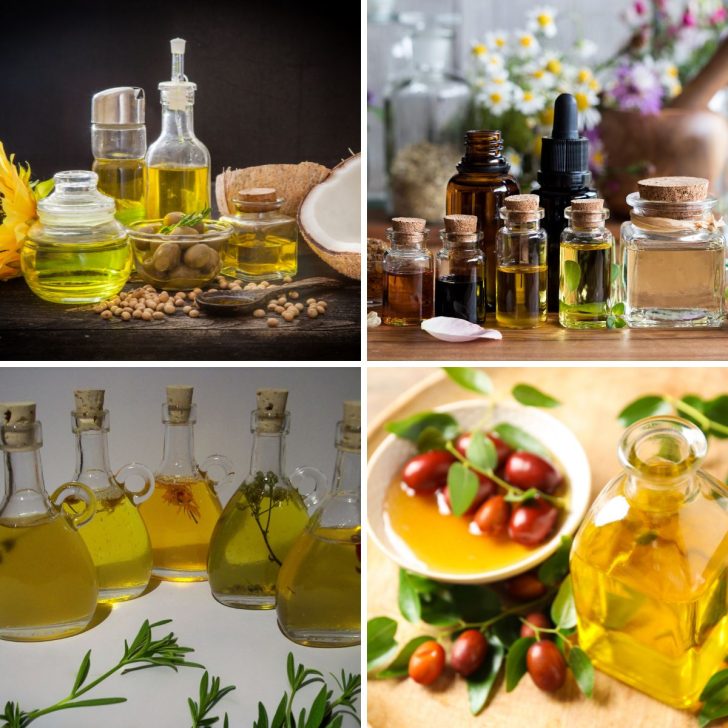
Herbal infusions have been used for centuries to extract the beneficial properties of herbs for culinary, medicinal, and cosmetic purposes. But what are the best oils for infusing herbs?
The best oils for herbal infusions depend on your intended uses. In this article, we will explore some of the best oils for herbal infusions.
Best Oils for Infusing Herbs
Here are our favorites and including highlights on the benefits and common uses.
Almond Oil
Revered for its mild flavor and health benefits, almond oil is a good choice for herbal infusions. While you can use almond oil for culinary purposes, the majority of use tends to be for cosmetic concoctions, likely because it is an expensive oil and tends to be around 2x the price of olive oil.
- Shelf Life: Approximately 1 year when stored in cool, dark conditions.
- Stability: Fairly stable due to its balanced fatty acid profile.
- Viscosity: Almond oil is relatively thin, allowing for efficient herb extraction.
- Flavor: It has a mild, slightly sweet, and nutty flavor.
- Fragrance: Almond oil carries a soft, pleasant aroma.
- Nutrients: Rich in vitamins E and A, monounsaturated fatty acids, protein, potassium, and zinc.
- Uses & Benefits:
- Culinary: Used in salad dressings and for sautéing.
- Cosmetic: More commonly used in skin and hair care products.
- Health: Promotes heart health, aids in controlling blood sugar, and improves skin health.
Olive Oil
A staple in many kitchens, and the most popular oil for culinary herbal infusions, olive oil offers a host of benefits when used to infuse herbs. We love making rosemary oil for the flavor as well as the many wonderful healthy benefits of rosemary oil.
- Shelf Life: Approximately 18-24 months when stored properly.
- Stability: Olive oil has high oxidative stability due to its monounsaturated fat content.
- Viscosity: It exhibits a moderate viscosity, allowing for a good rate of herb extraction.
- Flavor: Olive oil carries a distinctive yet versatile flavor.
- Fragrance: It has a light, subtly fruity aroma.
- Nutrients: Rich in antioxidants and Vitamins E and K.
- Uses & Benefits:
- Culinary: Used in cooking, salad dressings, marinades.
- Cosmetic: Great for skin and hair care products.
- Health: Helps lower bad cholesterol levels and inflammation.
Coconut Oil
Another highly popular oil choice for herbal infusions due to its unique properties, is the wonderful coconut oil.
- Shelf Life: Can last up to 2 years if stored correctly.
- Stability: High, due to its large proportion of saturated fats.
- Viscosity: Quite thick, particularly when solid.
- Flavor: Coconut oil has a rich, sweet, and distinctly tropical flavor.
- Fragrance: It carries a strong coconut aroma.
- Nutrients: High in Medium Chain Triglycerides (MCTs) and certain vitamins and minerals.
- Uses & Benefits:
- Culinary: Used in baking, sautéing, and for making popcorn.
- Cosmetic: Common in skin and hair care products, and soap making.
- Health: Promotes heart health and boosts metabolism.
We buy the Kirkland coconut oil in a large 84 oz size from Costco. If you have a membership there it’s currently the best price at half the current price of the same item on Amazon.
Jojoba Oil
This one is a quasi oil in that it has a consistency more like a liquid wax. However, jojoba oil boasts some intriguing properties for herbal infusions and is a popular ingredient in natural cosmetics and body care products of all kinds. Plus a huge benefit is its longevity.
- Shelf Life: Up to 5 years due to its unique composition.
- Stability: Extremely high due to its wax esters structure.
- Viscosity: It has a relatively low viscosity.
- Flavor: Almost flavorless, making it very versatile.
- Fragrance: Jojoba has a very mild, almost non-existent scent.
- Nutrients: Rich in Vitamin E and B-complex vitamins.
- Uses & Benefits:
- Culinary: Not used due to its waxy nature.
- Cosmetic: Popular in skin and hair care, massage oils.
- Health: Effective moisturizer, promotes skin health.
You can get Jojoba oil on Amazon if you don’t have a local health or essential oil supply store that sells it.
Sesame Oil
Widely used in Asian cuisine, sesame oil also offers a host of benefits for herbal infusions.
- Shelf Life: Approximately 1-2 years if stored in a cool, dark place.
- Stability: High stability, owing to its high antioxidant content.
- Viscosity: Moderately thick, but still effective for extraction.
- Flavor: Distinctive, nutty flavor.
- Fragrance: Strong, characteristic aroma.
- Nutrients: High in antioxidants, as well as vitamins and minerals like vitamin E, copper, and magnesium.
- Uses & Benefits:
- Culinary: Used in stir-frying, marinades, and dressings.
- Cosmetic: Found in skin and hair care products.
- Health: Promotes heart health, has anti-inflammatory properties, and aids bone health.
Sunflower Oil
A common oil in many kitchens, sunflower oil is also proven to be a suitable choice for herbal infusions.
- Shelf Life: Approximately 1-2 years if stored properly.
- Stability: High stability due to its large proportion of monounsaturated fats.
- Viscosity: Sunflower oil has a relatively low viscosity.
- Flavor: It has a light, neutral flavor.
- Fragrance: Very mild, almost unnoticeable aroma.
- Nutrients: High in vitamin E and A, and monounsaturated fats.
- Uses & Benefits:
- Culinary: Widely used in frying, baking, and salad dressings.
- Cosmetic: Often used in skin and hair care products.
- Health: Supports heart health, immune function, and skin health.
Remember, when making herbal infusions, always ensure the herbs and the oil are fresh, and store your infused oils in a cool, dark place to maximize their shelf life. Happy infusing!
Dried herb infused oils and salves have a shelf life ranging from 6 months to 3 years, depending on the oil you choose.
TheHerbalAcademy.com[1]https://theherbalacademy.com/herbal-preparation-shelf-life/#:~:text=The%20shelf%20life%20of%20oil%2Dbased%20preparations%20made%20with%20dried,6%20months%20to%203%20years.
Benefits and Attributes of Best Oils for Herbal Infusions
Of course, here’s the streamlined version of the chart:
| Oils | Shelf Life & Heat Stability | Nutrients | Culinary Uses | Cosmetic Uses | Health Benefits |
|---|---|---|---|---|---|
| Almond Oil | 1 year; 420°F / 216°C | Rich in vitamins E and A, monounsaturated fatty acids, protein, potassium, and zinc | Salad dressings, sautéing | Skin and hair care products | Promotes heart health, aids in controlling blood sugar, improves skin health |
| Coconut Oil | Up to 2 years; 350°F / 177°C | High in MCTs, vitamins, and minerals | Baking, sautéing, popcorn making | Skin and hair care products, soap making | Promotes heart health, boosts metabolism |
| Jojoba Oil | Up to 5 years; Not suitable for cooking due to its waxy nature | Rich in Vitamin E and B-complex vitamins | Not used due to waxy nature | Skin and hair care, massage oils | Effective moisturizer, promotes skin health |
| Olive Oil | 18-24 months; 375°F / 191°C | Rich in antioxidants, Vitamins E and K | Cooking, salad dressings, marinades | Skin and hair care products | Helps lower bad cholesterol levels and inflammation |
| Sesame Oil | 1-2 years; 410°F / 210°C | High in antioxidants, vitamins E, copper, and magnesium | Stir-frying, marinades, dressings | Skin and hair care products | Promotes heart health, has anti-inflammatory properties, aids bone health |
| Sunflower Oil | 1-2 years; 440°F / 227°C | High in vitamin E and A, and monounsaturated fats | Frying, baking, salad dressings | Skin and hair care products | Supports heart health, immune function, and skin health |
In Summary
When it comes to herbal infusions, selecting the right oil is essential for maximizing the benefits of herbs and fostering longevity. Each oil – be it almond oil, coconut oil, jojoba oil, olive oil, sesame oil, or sunflower oil – brings its unique qualities to the table.
So, depending on what you’re creating, will determine the best oil to suit your purposes.
Consider whether it’s for culinary, medicinal, or cosmetic use, and choose the oil that best complements your needs. The right oil will help you unlock the full potential of your herbs and create delightful infusions that enhance your well-being.
You may also enjoy our article on the best way of drying rosemary for greatest nutrient retention, and this one on How to Make Lavender Oil

I’m LeAura Alderson, a garden, herb and plant enthusiast with a passion for discovering the many edible and medicinal benefits of the plants all around us, including the weeds, while transforming the land through regenerative permaculture practice. I am also a writer, editor and media publisher (now mostly retired due to replacement by AI), but which now allows more time to build our regenerative permaculture homestead farm.
References