
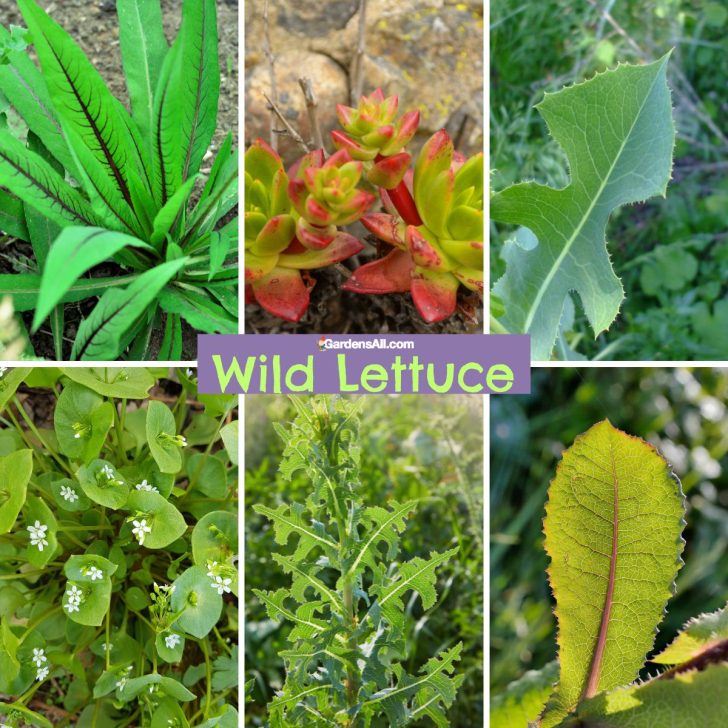
Edible wild lettuce (Lactuca spp.) is a wild plant native to Europe that has spread throughout other parts of the world. Typically considered a weed plant, the Lactuca virosa variety is also known as “opium lettuce”.
Some think that wild lettuce is toxic because of its milky white latex sap in the stems. However, many common lettuce varieties also have white sap, as do dandelion greens, yet both are edible UNLESS you have any kind of latex allergy.
Most of the edible wild lettuce plants are in the asteraceae family, which is a large collection many edible and medicinal plants. However, some wild lettuce plants should only be used carefully and in moderation.[1]https://www.ncbi.nlm.nih.gov/pmc/articles/PMC4673098/
CAUTION: Anyone with latex allergies should avoid wild lettuce, or proceed with great caution and professional advice.
Commercially Available Forms of Wild Lettuce
Although wild lettuce does not contain opium it does have sedative effects that many enjoy through lettuce leaf extract. In fact, various forms of wild lettuce are readily commercially available on Amazon and in health food stores.
See some of the wild lettuce benefits.
Edible Wild Lettuce Medicinal Forms
- Pills of wild lettuce herbal supplements
- Dried wild lettuce leaves – good for herbal teas; smoked by some. See also, smoking mugwort
- Liquid wild lettuce extract
- Powdered wild lettuce leaf
There are a number of varieties of edible wild lettuce plants with medicinal benefits found in North America. However, always check and double check with knowledgeable practitioners, and verify and validate the plant in question against clear and reputable wild edibles plant books.
6 Edible Wild Lettuce Varieties of North America
- Canada Lettuce (Lactuca canadensis)
- Coast Lettuce (Dudleya farinosa)
- Louisiana Lettuce (Lactuca ludoviciana)
- Miner’s Lettuce (Claytonia perfoliata)
- Prickly Lettuce (Lactuca serriola)
- Wild Lettuce (Lactuca virosa)
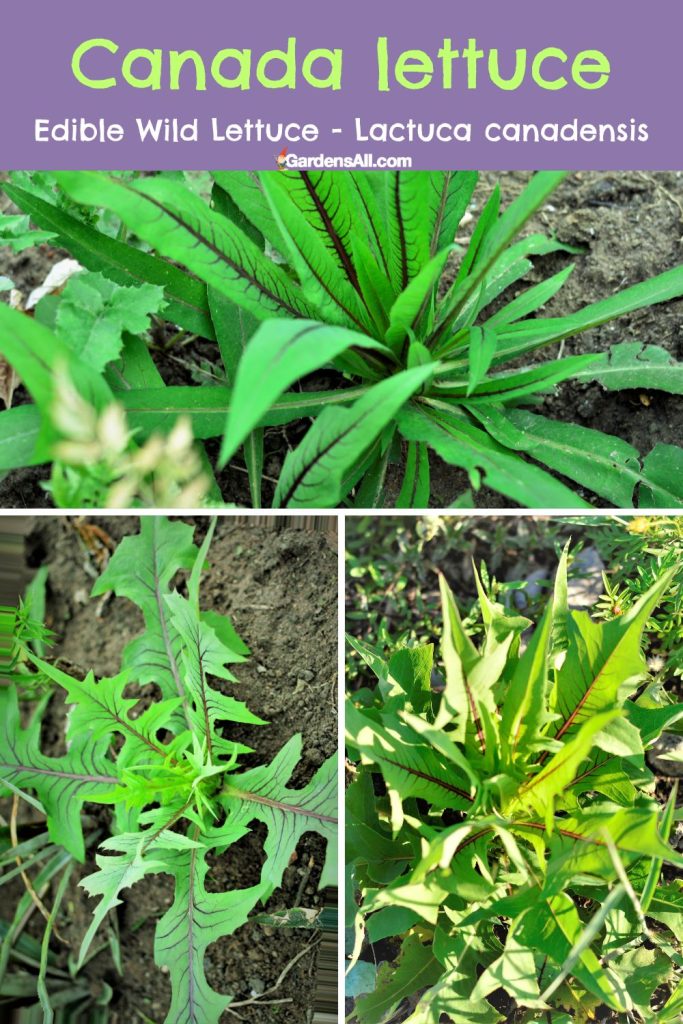
Canada Lettuce (Lactuca canadensis)
Canada lettuce, also known as wild lettuce or tall lettuce, is a wild lettuce found in many parts of North America. The leaves are long and narrow, and they have a bitter taste. The leaves can be eaten raw or cooked, and they are often used in salads or as a cooked vegetable.
Canada Lettuce Plant Description
- Appearance: Canada lettuce has long, narrow leaves and a bitter taste.
- Botanical Name: Lactuca canadensis
- Family: Asteraceae
- Common Names:
- Canada Lettuce
- Prickly lettuce (note: the term “prickly lettuce” is also used for another closely related wild lettuce species called Lactuca serriola)
- Tall lettuce
- Wild lettuce
- Zones: 2-9

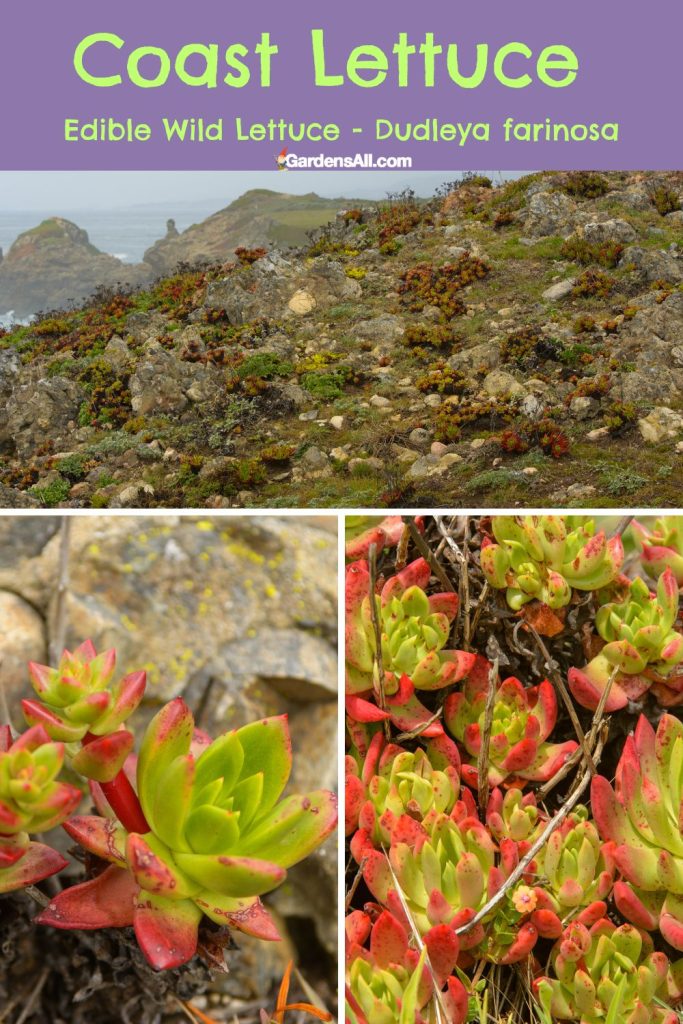
Coast Lettuce (Dudleya farinosa)
Coast lettuce is a wild lettuce found along the coast of California and Mexico. It has succulent leaves with a slightly sweet taste that can be eaten raw in salads, or as a cooked vegetable.
Coast Lettuce Plant Description
- Appearance: Coast lettuce has succulent leaves and a slightly sweet taste.
- Botanical Name: Dudleya farinosa
- Family: Crassulaceae
- Common Names:
- bluff lettuce
- bluff stonecrop
- coast lettuce
- powdery dudleya
- Zones: 8-10
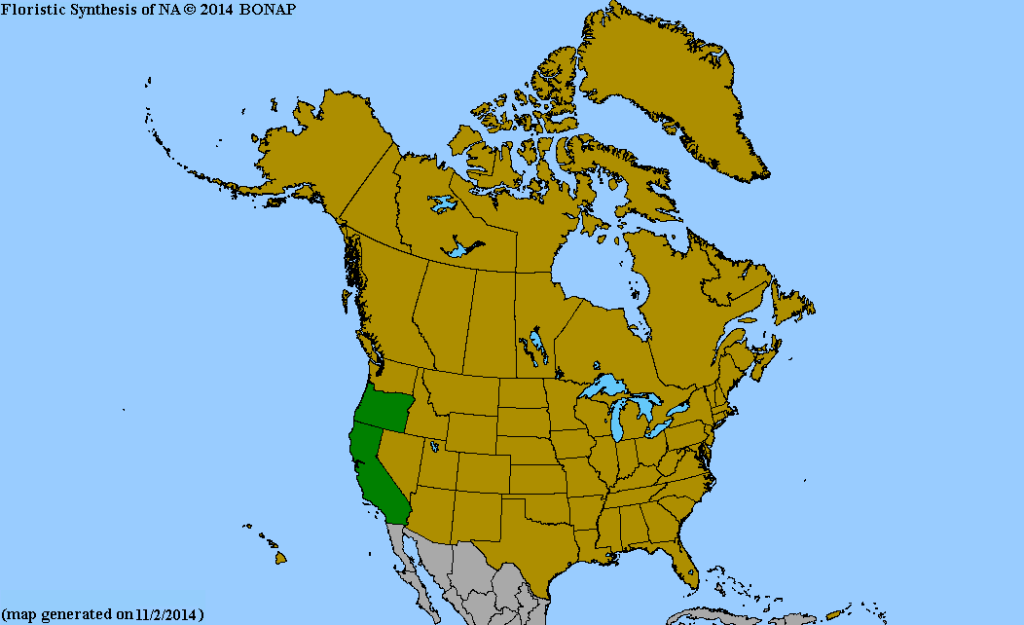
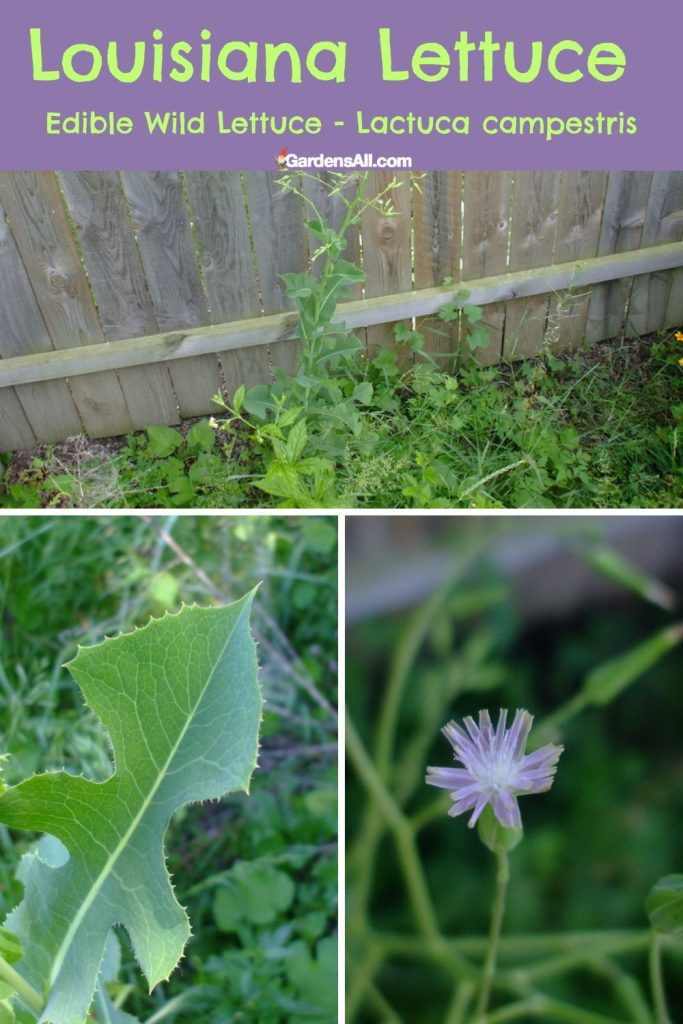
Louisiana Lettuce – (Lactuca ludoviciana)
Field lettuce, also known as black-seeded lettuce or prickly lettuce, is a wild lettuce found in many parts of North America. The leaves are slightly bitter and can be eaten raw or cooked. The seeds can also be eaten and are sometimes used as a coffee substitute, similar to its Asteraceae family members, chicory and dandelion.
This does not grow in our area and there is some conflicting information on this one, likely due to botanical name change, cross-pollination with other species and/or common name confusion. So If you know of this wild lettuce variety and can provide photos of it or any further information, we’d very much appreciate hearing from you.
Louisiana Plant Description
- Appearance: Louisiana lettuce (AKA field lettuce) has slightly bitter leaves and can be used as a coffee substitute.
- Family: Asteraceae
- Scientific Name: Lactuca ludoviciana alternately (formerly) known as Lactuca campestris[2]http://lakesideendeavors.com/wildflowerid/plants/Lactuca_ludoviciana.htm
- Common Names: NOTE: many wild lettuce plants share the same common name, including “wild lettuce” being one example:
- Louisiana lettuce
- Prairie lettuce
- Western lettuce
- Wild lettuce
- Zones: 3-9
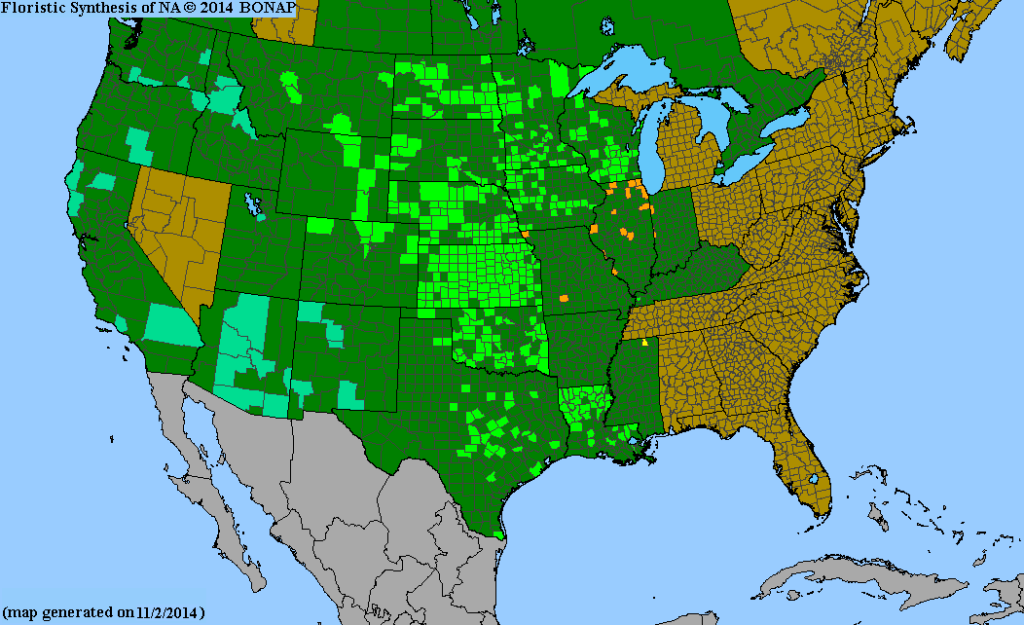
REFERENCE:
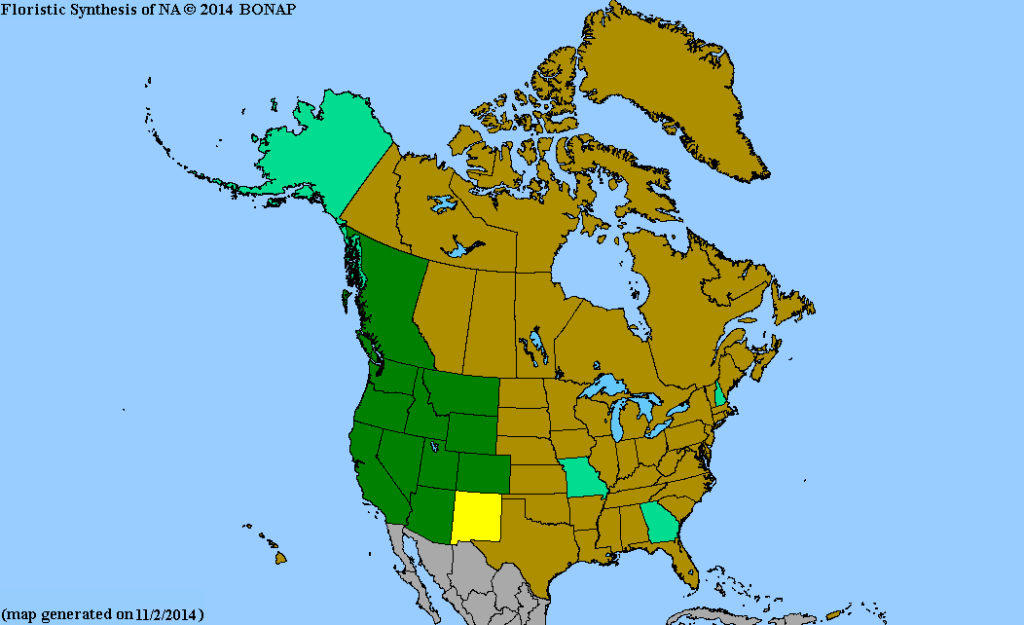
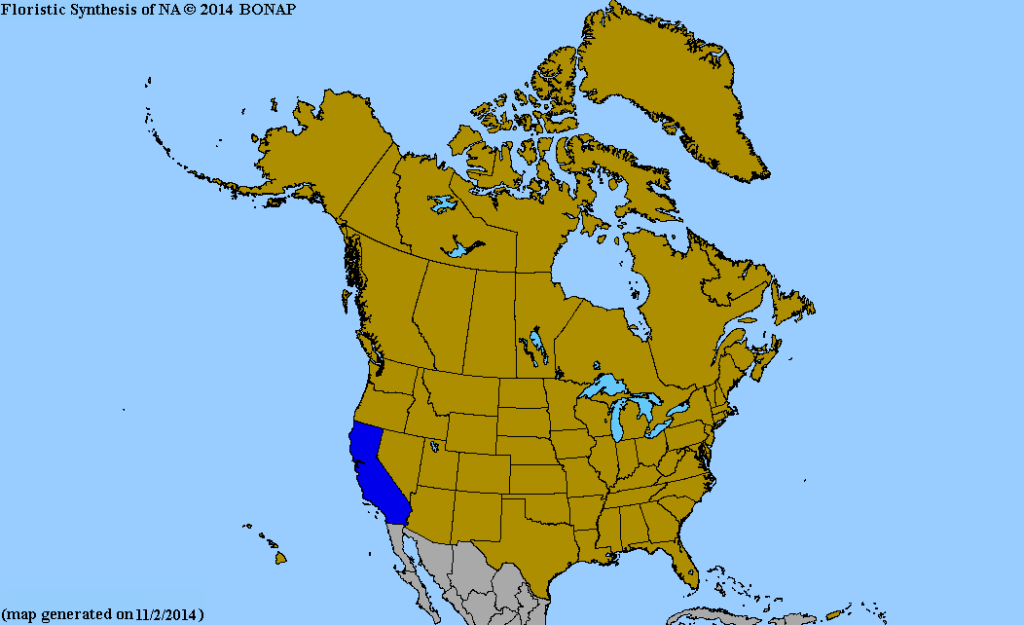
See map legend at Bonap.org[3]http://www.bonap.org/MapKey.html
Images via Bonap.org[4]http://bonap.net/Napa/TaxonMaps/Genus/State/Lactuca
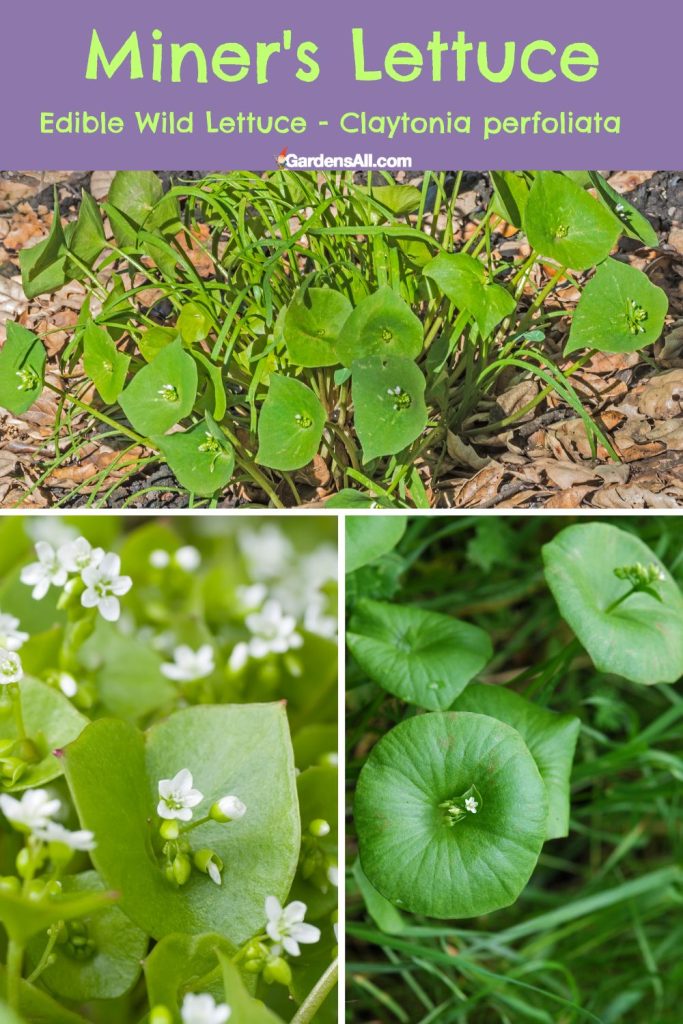
Miner’s Lettuce (Claytonia perfoliata)
Miner’s lettuce is an edible wild lettuce found in North America and is also known as winter purslane or Indian lettuce. The leaves are round and have a mild, slightly sweet taste. They can be eaten raw or cooked, and are often used in salads.
Miner’s Lettuce Plant Description
Miner’s lettuce is not actually a Lactuca, but it is considered long considered and used like wild lettuce, so we include it in this list.
- Appearance: Miner’s lettuce has round leaves and a mild, slightly sweet taste.
- Family: Montiaceae
- Genus: Claytonia
- Scientific Name: Claytonia perfoliata
- Common Names:
- Indian lettuce
- miner’s lettuce
- palsingat – (Cahuilla Indian name for it)
- purslane / winter purslane
- Zones: 4-9
Prickly Lettuce (Lactuca serriola)
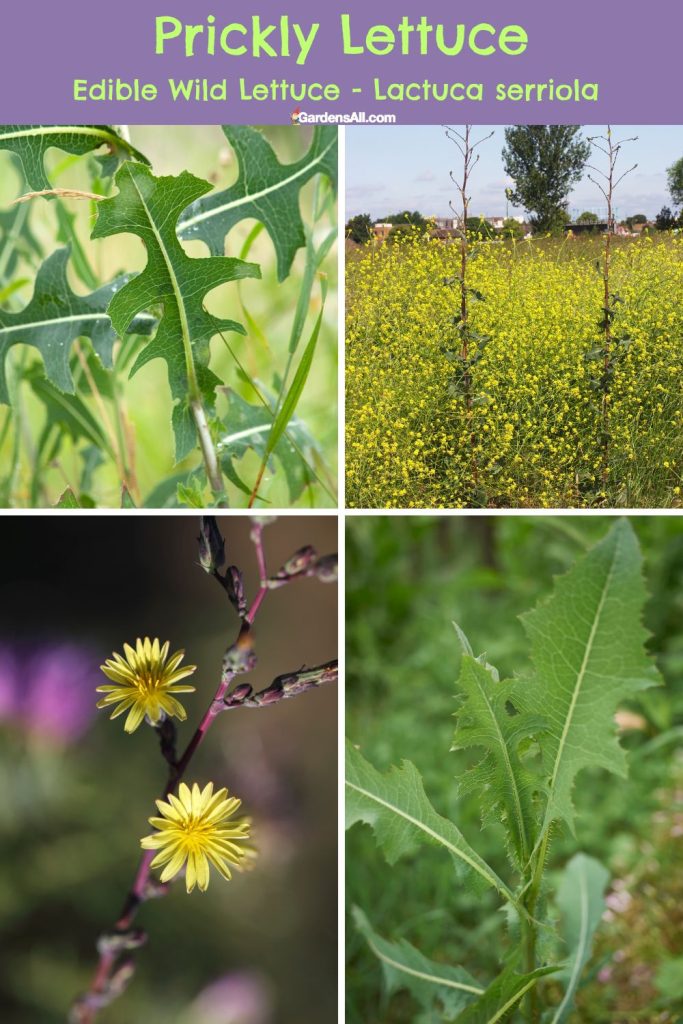
Prickly lettuce is a common wild lettuce found in many parts of North America. It has prickly leaves and yellow flowers that bloom in the summer. The young leaves can be eaten raw or cooked, and they have a slightly bitter taste.
Prickly Lettuce Plant Description
- Appearance: prickly leaves and yellow flowers that bloom in the summer.
- Scientific Name: Lactuca serriola
- Family: Asteraceae
- Genus: Lactuca
- Common Name:
- Compass Plant
- Milk Thistle
- Prickly Lettuce
- Wild Lettuce
- Zones: 3-10

Wild Lettuce (Lactuca virosa)
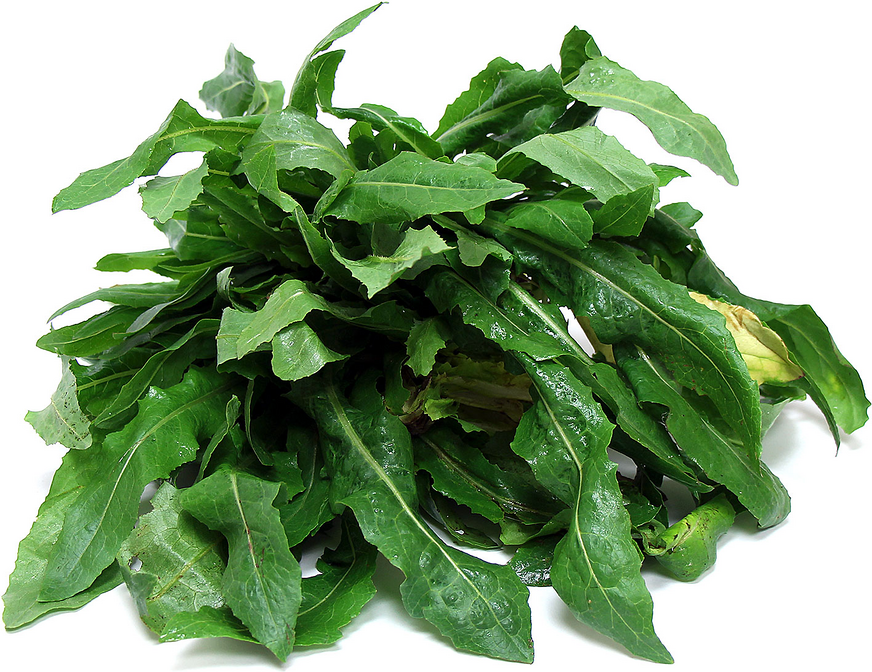
While there are a number of varieties of Lactuca that are called by the common name of ‘wild lettuce’, the Lactuca virosa may be the one most referenced as being the wild lettuce. The L. virosa is also known as opium lettuce, because it has a milky sap used traditionally for sedative purposes.
This grows primarily on in North America in the state of California. The leaves of wild lettuce can be eaten raw or cooked, and have a bitter taste that can add complementary flavor to a mixed greens salad.
However there are some indications that L. Virosa should be used modestly, more like a potent herb rather than a complete replacement for lettuce.[5]https://www.ncbi.nlm.nih.gov/pmc/articles/PMC4673098/
Wild Lettuce Plant Description
- Plant Description: Wild lettuce has a milky sap and its leaves are slightly bitter.
- Scientific Name: Lactuca virosa
- Family: Asteraceae
- Genus: Lactuca
- Common Names:
- Opium lettuce
- Wild lettuce
- Zones: 3-9
CAUTION: Excess consumption of this wild lettuce — as with most medicinal herbs — may be toxic, so be informed and consume in moderation.[6]https://www.ncbi.nlm.nih.gov/pmc/articles/PMC3031874/
However, the only report found citing L. virosa toxicity, is the same report 8 individuals in the same travel party, who all ingested inordinate amounts of Lactuca virosa.[7]https://www.researchgate.net/publication/51232347_Wild_lettuce_Lactuca_virosa_toxicity

Wild Lettuce Identification
Lactuca virosa With Jeff Hollis of Mountain Gardens
Here are some general characteristics of wild lettuce plants based on the Lactuca virosa variety, to help you begin to identify some wild lettuce varieties:
- Appearance: Wild lettuce is a tall, leafy plant that can grow up to six feet tall. It has yellow flowers that bloom in the summer and a milky sap that can be seen when the stem or leaves are broken.
- Leaves: The leaves of wild lettuce are deeply lobed and can be up to eight inches long. They’re typically a blue-green to spring green color and have a slightly bitter taste.
- Habitat: Wild lettuce is typically found in fields, meadows, and along roadsides. It prefers sunny locations and can grow in a variety of soil types.
- Time of year: Wild lettuce typically blooms in the summer months, from June to August.
If you are unsure about whether a plant is wild lettuce or not, it is best to consult a field guide or an expert in plant identification.
Wild Lettuce and Dandelion Identification With Herbalist, Elizabeth Morgan
In this video, Elizabeth also talks about how to make a dandelion leaf tincture that’s good for plantar warts, so we’re including her recipe for that here.
Recipe for Dandelion Leaf Tincture
Into a 16 ounce mason jar, add:
INGREDIENTS:
- 1/2 cup chopped dandelion leaves
- 1 cup alcohol, 80 proof or higher, (vodka, everclear or brandy)
- 1/4 cup water
INSTRUCTIONS:
- Secure the lid, (we prefer plastic mason lids for this so as not to possibly cause metal seepage from the alcohol).
- Shake it and then store on a pantry shelf.
- Shake the mixture daily and allow to steep for 7-14 days.
- Strain, label and use as and where needed.

I’m LeAura Alderson, a garden, herb and plant enthusiast with a passion for discovering the many edible and medicinal benefits of the plants all around us, including the weeds, while transforming the land through regenerative permaculture practice. I am also a writer, editor and media publisher (now mostly retired due to replacement by AI), but which now allows more time to build our regenerative permaculture homestead farm.
References