
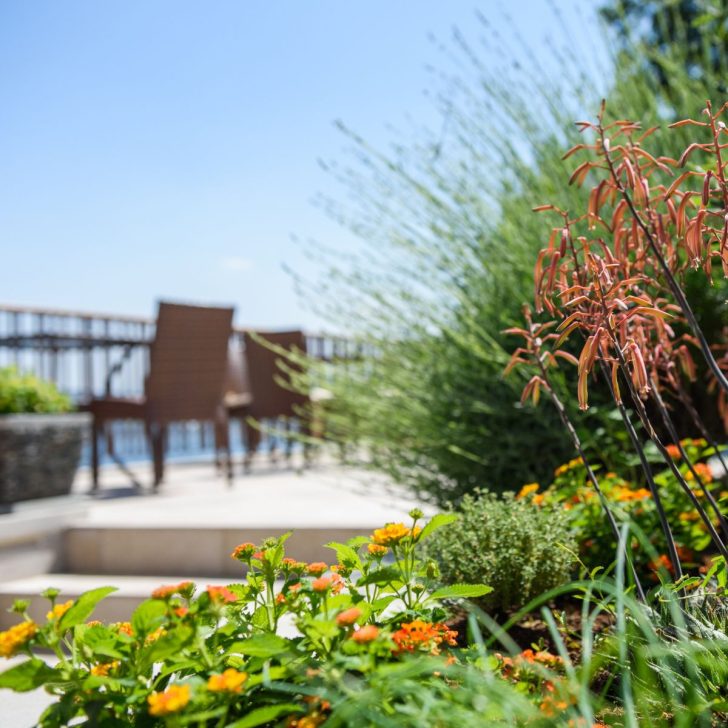
A friend who lives in Florida was lamenting about an extended dry spell with 90°+ days, so naturally it got me wondering about the plants there. So I looked up a bunch of Florida drought tolerant plants for plant lovers and homeowners looking for landscaping solutions there and beyond.
Naturally, all of these plants can grow in most other warm dry climates in North America as well, and the more adaptable ones can grow in colder climates and more moisture too.
15 Florida Drought Tolerant Plants (and other regions)
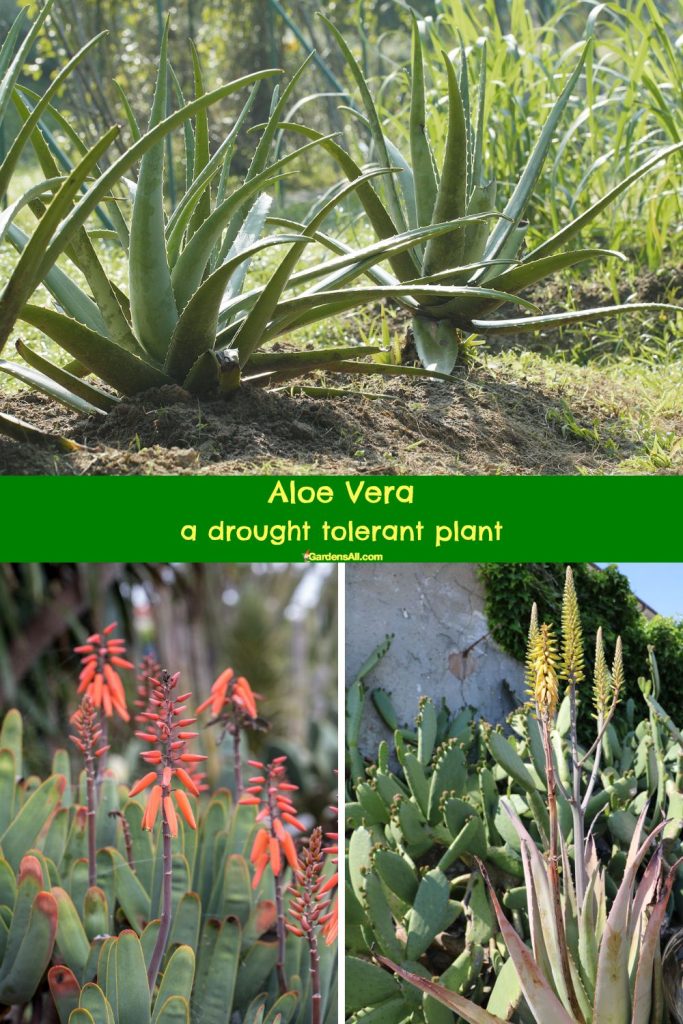
1. Aloe Vera (Aloe barbadensis) and other varieties
- Common Names: Aloe Vera, Medicinal Aloe, True Aloe
- Family: Asphodelaceae
- Zone: 9-11
- States: Southern U.S., including Florida
- Type: Succulent
Aloe Vera is a drought-tolerant succulent known for its medicinal properties and attractive appearance. It produces tall spikes of tubular, orangish flowers that attract pollinators. Aloe Vera is suitable for outdoor planting in Florida, where it can grow large and thrive in well-drained, sandy soils. It prefers full sun to light shade and can be used as a specimen plant, in mixed borders, or as part of a xeriscape garden, adding both beauty and functionality to the landscape.
2. Beach Sunflower (Helianthus debilis)
- Common Names: Beach Sunflower, Cucumberleaf Sunflower
- Family: Asteraceae
- Zone: 8-11
- States: Southeastern U.S., including Florida
- Type: Perennial flower
Beach Sunflower is a drought-tolerant ground cover with yellow, daisy-like flowers that bloom year-round. It thrives in sandy soils and full sun, making it an excellent choice for Florida landscapes. Beach Sunflower attracts pollinators and provides a cheerful burst of color.

3. Beautyberry (Callicarpa americana)
- Common Names: Beautyberry, American Beautyberry
- Family: Lamiaceae
- Zone: 6-10
- States: Southeastern U.S., including Florida
- Type: Deciduous shrub
Beautyberry is a deciduous shrub with purple berries that attract birds and other wildlife. It is drought-tolerant and native to Florida, thriving in full sun to partial shade. Beautyberry is perfect for naturalizing landscapes, creating wildlife habitats, or using as an accent plant.

4. Blanket Flower (Gaillardia pulchella)
- Common Names: Blanket Flower, Indian Blanket
- Family: Asteraceae
- Zone: 3-10
- States: Throughout the U.S., including Florida
- Type: Perennial flower
Blanket Flower is a hardy perennial with vibrant red and yellow flowers that bloom from spring to fall. This drought-tolerant plant thrives in sandy soils and full sun, making it a perfect choice for Florida gardens. It attracts pollinators and provides long-lasting color to landscapes.

5. Coontie (Zamia integrifolia)
- Common Names: Coontie, Florida Arrowroot
- Family: Zamiaceae
- Zone: 8-11
- States: Southeastern U.S., including Florida
- Type: Cycad
Coontie is a slow-growing, low-maintenance plant with fern-like leaves. It is native to Florida and adapts well to a variety of soil types, making it drought-tolerant. Coontie prefers partial to full shade and can be used as a groundcover, accent plant, or in mass plantings.
This Zamia is known as host to the rare Atala butterfly as the preferred food source for Atala larvae, seen pictured in the lower right image.
Top image (below) by University of Florida IFAS Gardening Solutions[1]https://gardeningsolutions.ifas.ufl.edu/plants/trees-and-shrubs/palms-and-cycads/coontie.html

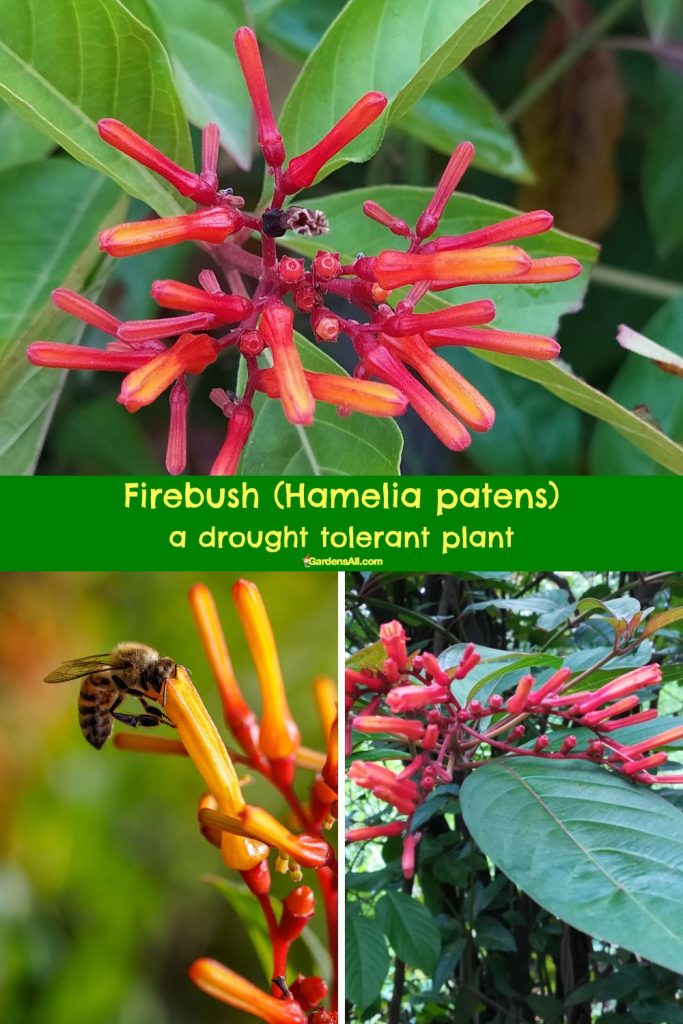
6. Firebush (Hamelia patens)
- Common Names: Firebush, Scarlet Bush
- Family: Rubiaceae
- Zone: 9-11
- States: Southeastern U.S., including Florida
- Type: Shrub
Firebush is a drought-tolerant shrub that produces bright red-orange tubular flowers that attract hummingbirds and butterflies. It thrives in full sun to partial shade and can be used as a specimen plant, in borders, or as a privacy screen. Firebush is low-maintenance and adds a burst of color to Florida landscapes.
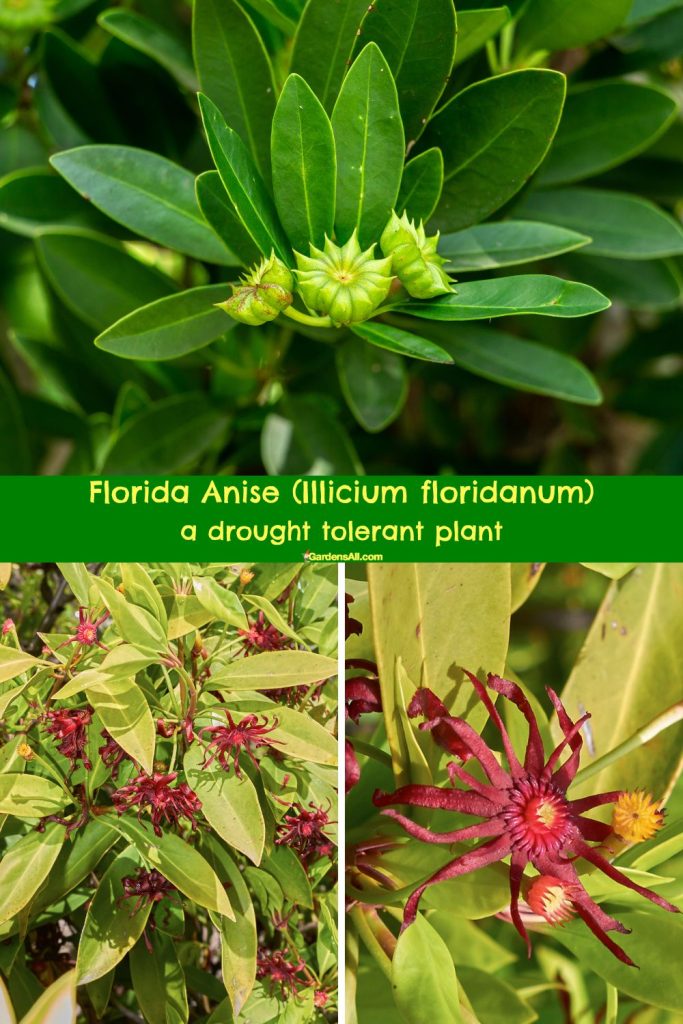
7. Florida Anise (Illicium floridanum)
- Common Names: Florida Anise, Purple Anise, Florida Star Anise
- Family: Schisandraceae
- Zone: 7-10
- States: Southeastern U.S., including Florida
- Type: Evergreen shrub
Florida Anise is an evergreen shrub with fragrant leaves and maroon flowers. It is native to Florida and is drought-tolerant when established. Florida Anise prefers partial to full shade and can be used as an accent plant, in borders, or as a privacy screen.
8. Lantana (Lantana camara)
- Common Names: Lantana, Shrub Verbena
- Family: Verbenaceae
- Zone: 8-11
- States: Southern U.S., including Florida
- Type: Perennial
Lantana is a colorful, fast-growing plant that produces clusters of flowers in shades of red, orange, yellow, pink, and white. This drought-tolerant plant thrives in full sun and well-drained soils, making it an ideal choice for Florida gardens. It can be used as a groundcover, in borders, or in containers.

9. Blue Liriope (Liriope muscari)
- Common Names: Blue Liriope, Lilyturf, Monkey Grass
- Family: Asparagaceae
- Zone: 6-11
- States: Eastern and Southern U.S., including Florida
- Type: Perennial
Blue Liriope is a low-maintenance, drought-tolerant perennial with grass-like foliage and spikes of blue-purple flowers. It is well-suited for outdoor planting in Florida and thrives in well-drained soils. Blue Liriope prefers full sun to partial shade and is often used as a groundcover, border plant, or in mass plantings. Its attractive flowers and foliage provide visual interest and texture to the landscape, while its ability to tolerate various growing conditions makes it a versatile choice for Florida gardens.

10. Muhly Grass (Muhlenbergia capillaris)
- Common Names: Muhly Grass, Pink Muhly Grass
- Family: Poaceae
- Zone: 6-10
- States: Southeastern U.S., including Florida
- Type: Ornamental grass
Muhly Grass is a native, drought-tolerant ornamental grass featuring wispy pink or purple plumes during the fall. It thrives in full sun to partial shade and requires well-drained soil. Muhly Grass is low-maintenance and ideal for providing texture and color to Florida landscapes.

11. Oleander (Nerium oleander)
- Common Names: Oleander, Rose Laurel, Rosebay
- Family: Apocynaceae
- Zone: 8-10
- States: Southern U.S., including Florida
- Type: Evergreen shrub
Oleander is a fast-growing evergreen shrub known for its showy, fragrant flowers that come in shades of pink, red, white, and yellow. It is drought-tolerant and thrives in well-drained soils, making it a suitable choice for Florida’s climate.
Oleander prefers full sun and can be used as a specimen plant, in borders, or as a privacy screen. However, it’s important to note that all parts of the Oleander plant are poisonous if ingested, so care should be taken if planted in areas accessible to children and pets.
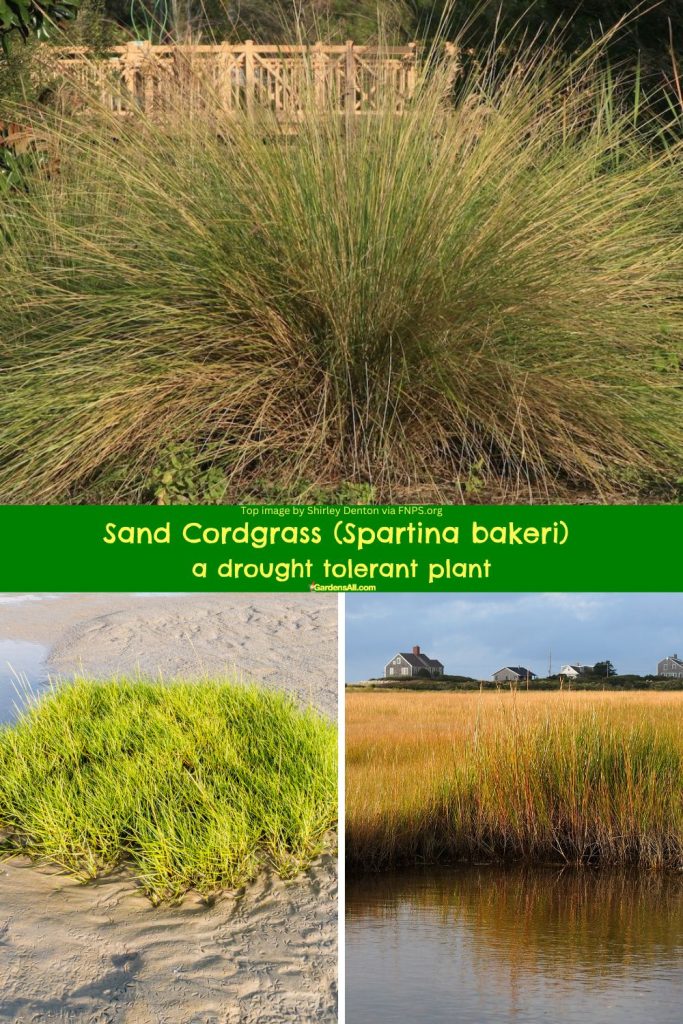
12. Sand Cordgrass (Spartina bakeri)
- Common Names: Sand Cordgrass, Baker’s Cordgrass
- Family: Poaceae
- Zone: 8-11
- States: Southeastern U.S., including Florida
- Type: Native grass
Sand Cordgrass is a native grass that tolerates salt, drought, and sandy soils. It is an excellent choice for coastal landscapes in Florida. Sand Cordgrass is low-maintenance and thrives in full sun, making it ideal for stabilizing dunes, naturalizing landscapes, or creating wildlife habitats.
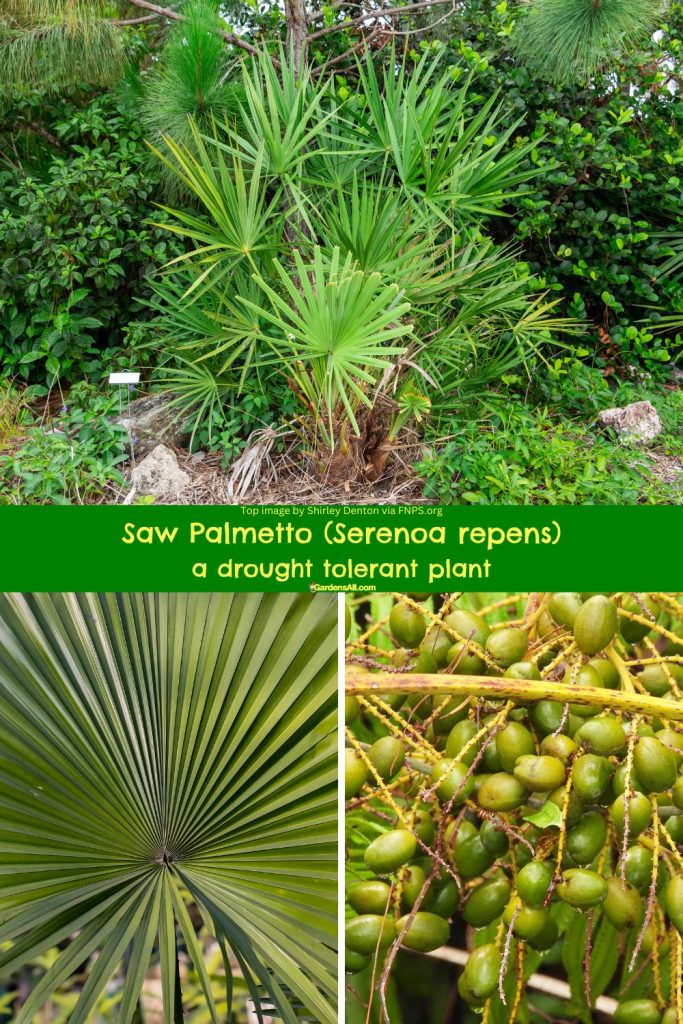
13. Saw Palmetto (Serenoa repens)
- Common Names: Saw Palmetto, Cabbage Palm
- Family: Arecaceae
- Zone: 8-11
- States: Southeastern U.S., including Florida
- Type: Palm
Saw Palmetto is a low-growing palm that produces large, fan-shaped leaves. It is native to Florida and can tolerate a variety of soil types, making it a drought-tolerant option for landscaping. Saw Palmetto thrives in full sun to partial shade and can serve as a groundcover or specimen plant.
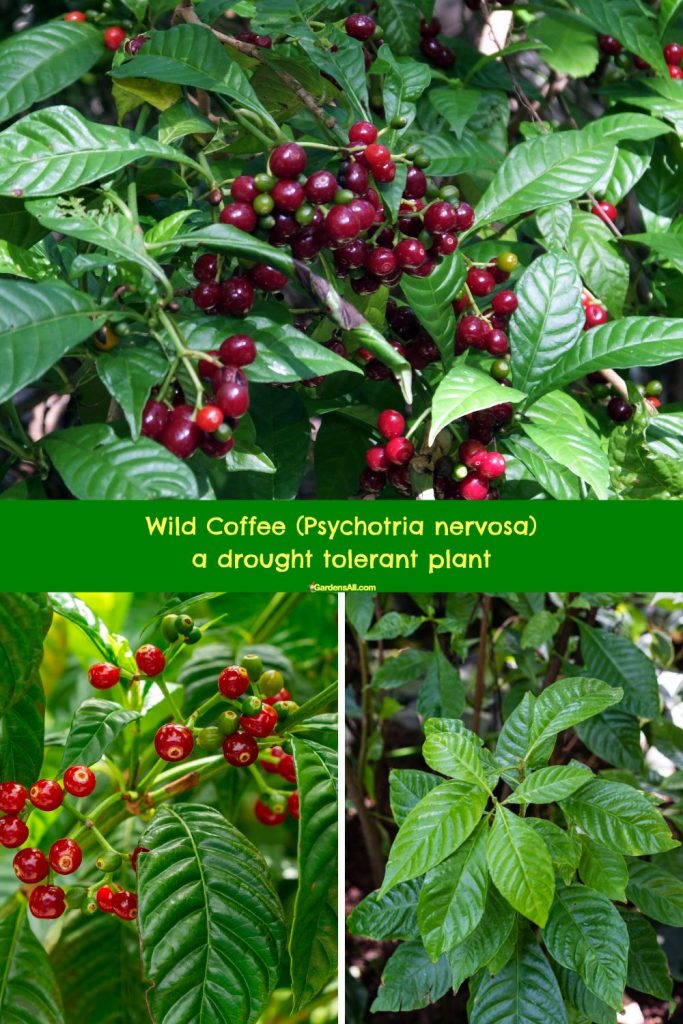
14. Wild Coffee (Psychotria nervosa)
- Common Names: Wild Coffee, Seminole Balsamo
- Family: Rubiaceae
- Zone: 9-11
- States: Southeastern U.S., including Florida
- Type: Evergreen shrub
Wild Coffee is a native, shade-tolerant shrub with glossy green leaves and small red berries. It is drought-tolerant once established and thrives in well-drained soils. Wild Coffee can be used as an accent plant, in borders, or as a privacy screen, adding a lush, tropical feel to Florida landscapes.
While the beans contain no caffeine, (unfortunate for some, fortunate for others), they can be roasted and consumed for a coffee-like beverage.
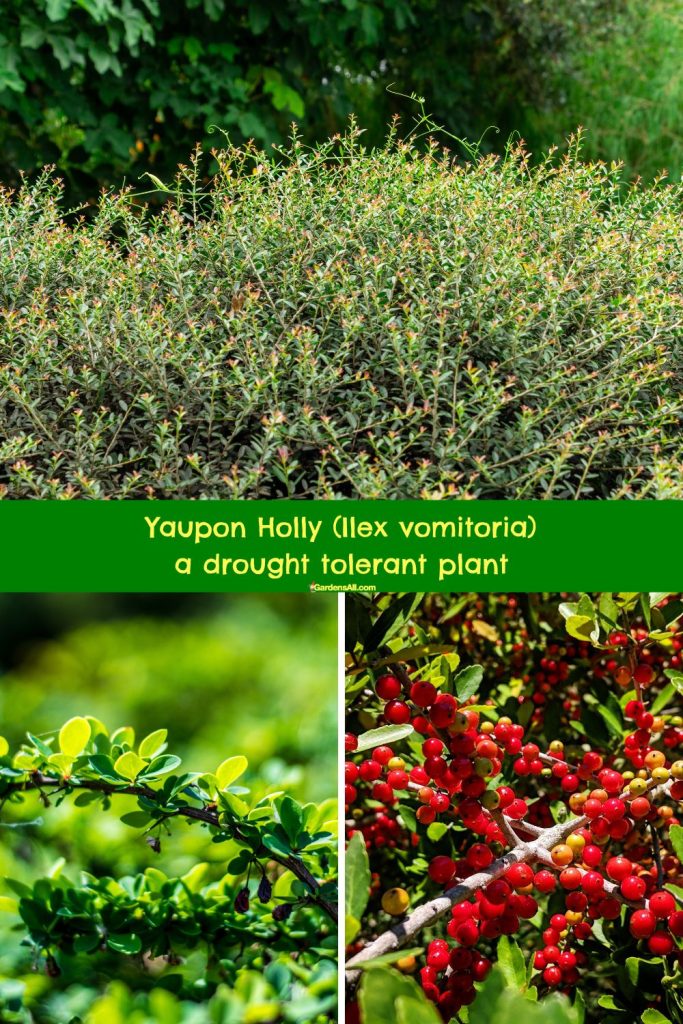
15. Yaupon Holly (Ilex vomitoria)
- Common Names: Yaupon Holly, Cassina
- Family: Aquifoliaceae
- Zone: 7-10
- States: Southeastern U.S., including Florida
- Type: Evergreen shrub or small tree
Yaupon Holly is a versatile, drought-tolerant shrub or small tree with bright red berries. It is native to Florida and adapts well to a variety of soil types. Yaupon Holly thrives in full sun to partial shade and can be used as a specimen plant, in hedges, borders, or as a privacy screen. The attractive berries provide food for birds and other wildlife, making this plant an excellent addition to Florida landscapes that support local ecosystems.
16. Yucca (Yucca filamentosa)
- Common Names: Yucca, Adam’s Needle, Spanish Bayonet
- Family: Asparagaceae
- Zone: 5-10
- States: Southeastern and Southwestern U.S., including Florida
- Type: Evergreen shrub
Yucca is a drought-tolerant evergreen shrub with sword-like leaves and tall spikes of white, bell-shaped flowers. It is native to the southeastern and southwestern United States, including Florida, and thrives in well-drained, sandy soils. Yucca prefers full sun but can tolerate light shade. It is an excellent choice for xeriscaping, as a specimen plant, or in mixed borders, adding architectural interest and texture to the landscape.
See more Yucca varieties available from Amazon.

Contributions From the Community
More Plants for Drought Prone Areas
Oleander is another Florida fave that’s drought tolerant. I have all drought tolerant plants (I call them survivors  ). One thing to remember about them is that they should be allowed to tolerate drought. Watering is not my favorite chore so all these are good with me. Lavender, oregano, and daylily are drought tolerant and plants I use as borders. They also feed me and my bees
  so they’re all the buzz.|
~Shannon Schofield, poet, writer, beekeeper, homesteader
See Shannon’s article on pollinator flowers and also on lessons from the garden.
Choosing Plants for Drought Prone Areas
When choosing plants for areas with extended hot dry spells, consider their water requirements, as well as their ability to withstand heat and humidity. By selecting Florida drought tolerant plants, you can conserve water, reduce maintenance, and enjoy a more sustainable garden.
See also, more popular flowers to plant in spring by hardiness zone. Another article that might be helpful is drip irrigation and also Olla pots water system.
Remember to check in with your local resources such as local nurseries and extension services. It’s great to establish a relationship with your local nurseries, for not only can they provide the best plants for your areas, but many will special order for you. Beyond that, most are also a ready source of free information gladly shared!
And you can scroll through Amazon for other Florida drought tolerant plants, and order from there or get your shopping list together for your favorite local nursery.

I’m LeAura Alderson, a garden, herb and plant enthusiast with a passion for discovering the many edible and medicinal benefits of the plants all around us, including the weeds, while transforming the land through regenerative permaculture practice. I am also a writer, editor and media publisher (now mostly retired due to replacement by AI), but which now allows more time to build our regenerative permaculture homestead farm.
References