
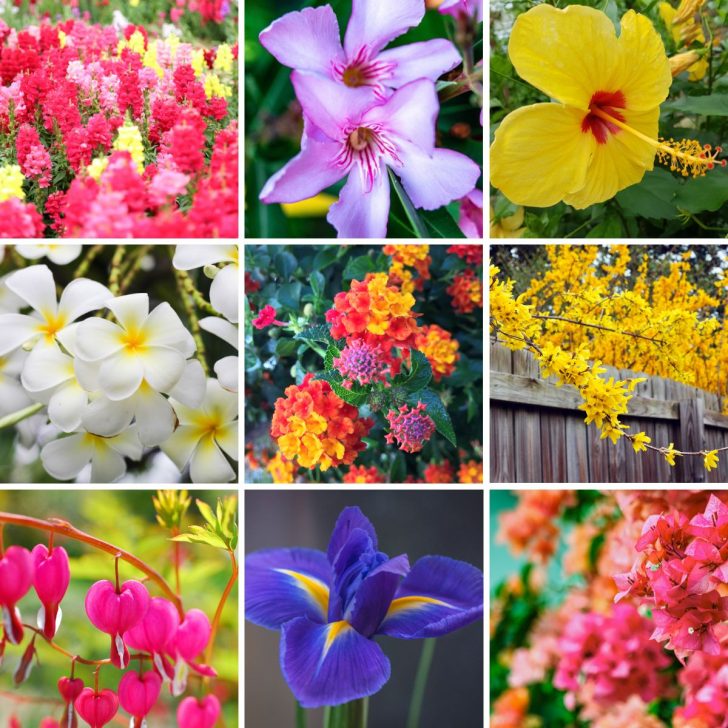
Spring fever is here and planting season is in full swing. If you’re wondering about the best flowers to plant in spring, we’ve compiled some popular flowers by hardiness growing zone.
This article presents a curated list of popular spring flowers to plant in various USDA hardiness zones. Each zone’s list includes cold-hardy or heat-tolerant plants that thrive in their respective climates.
The selection comprises a variety of annuals and perennials, with options for sun and shade, as well as various soil types. These plants not only provide stunning visual displays in the garden but also include flowers that attract pollinators such as bees, butterflies, and hummingbirds.
From daffodils and tulips in colder zones to bougainvillea and oleander in warmer areas, these lists with get your creative juices flowing on ideas on flowers to plant in spring for a successful and vibrant spring garden.
Popular Flowers to Plant in Spring
Most of these flowers have been recommended as some of the best to plant in spring because they are hardy, reliable, and easy to grow. They all come in a wide range of colors, making it easy to create a beautiful and diverse garden.
We’ve included six popular flowers by hardiness zone, however there are many many more. So you may enjoy scrolling through all the zones as there are many flowers that can grow in multiple zones so you will find more in other lists that will also work for your zone.
Editor’s Note: We try our best to provide useful and accurate from our own experience as well as deeply researched information, but mistakes happen, so if you see any, please do let us know❣️🙏🏼😇
ZONE 3: Best Flowers to Plant in Spring in Zone 3
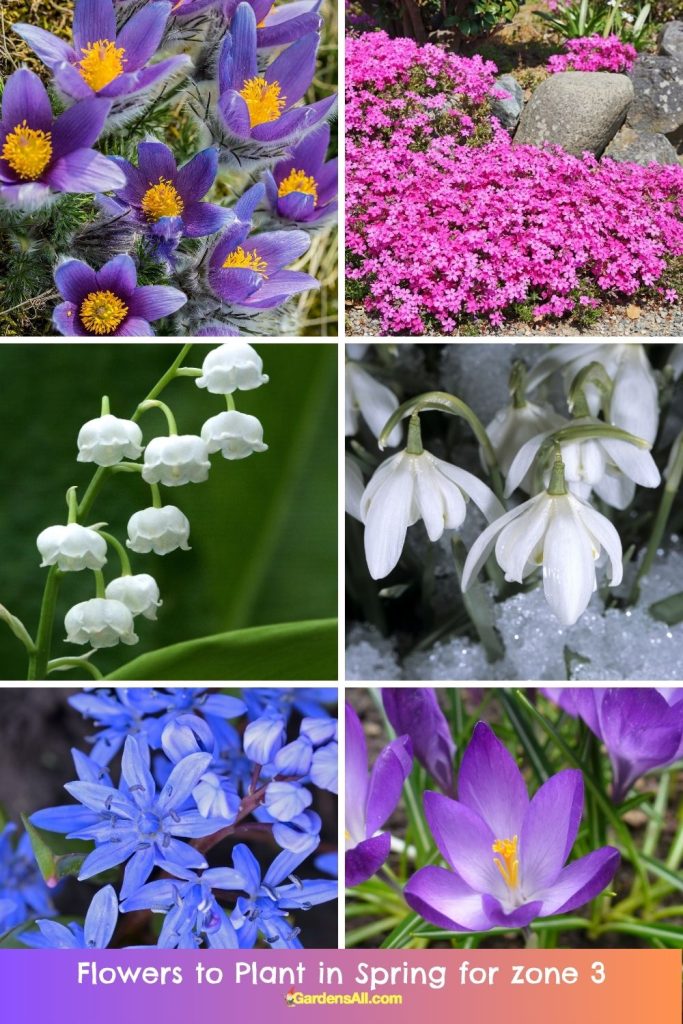
Pasque Flower (Pulsatilla vulgaris)
- Common Names: Pasque Flower, European Pasque Flower, Common Pasque Flower
- Hardiness: Zones 3-8
- Soil: Well-drained, sandy or gravelly soil
- Light: Full sun to light shade
- Height: 6-12 inches
- Bloom Time: Early spring
Pasque Flowers are a popular choice for zone 3 gardens because they are cold-hardy and provide an early burst of color. Their attractive, bell-shaped flowers and feathery foliage create an eye-catching display in the spring.

Creeping Phlox (Phlox subulata)
- Common Names: Creeping Phlox, Moss Phlox, Mountain Phlox
- Hardiness: Zones 3-9
- Soil: Well-drained, sandy or loamy soil
- Light: Full sun to light shade
- Height: 4-6 inches
- Bloom Time: Mid to late spring
Creeping Phlox is an excellent option for zone 3 gardens due to its cold-hardiness and ability to create a carpet of vibrant blooms. This groundcover plant is perfect for rock gardens, slopes, and borders, and requires minimal maintenance.
You may also enjoy our article on ground cover with flowers, or this one on 10 small purple perennials.

Lily of the Valley (Convallaria majalis)
- Common Names: Lily of the Valley, May Bells, Our Lady’s Tears
- Hardiness: Zones 3-8
- Soil: Moist, well-drained, humus-rich soil
- Light: Partial shade to full shade
- Height: 6-8 inches
- Bloom Time: Late spring
Lily of the Valley is a popular choice for zone 3 gardens because of its cold-hardiness and ability to thrive in shady conditions. The delicate, fragrant, bell-shaped flowers create an enchanting display in the late spring.

Snowdrop (Galanthus nivalis)
- Common Names: Snowdrop, Common Snowdrop, Garden Snowdrop
- Hardiness: Zones 3-7
- Soil: Well-drained, humus-rich soil
- Light: Full sun to partial shade
- Height: 3-6 inches
- Bloom Time: Early spring
Snowdrops are a beloved choice for zone 3 gardens because they are cold-hardy and one of the first flowers to bloom in spring. Their small, white, bell-shaped flowers provide a delicate, cheerful display and signal the end of winter.

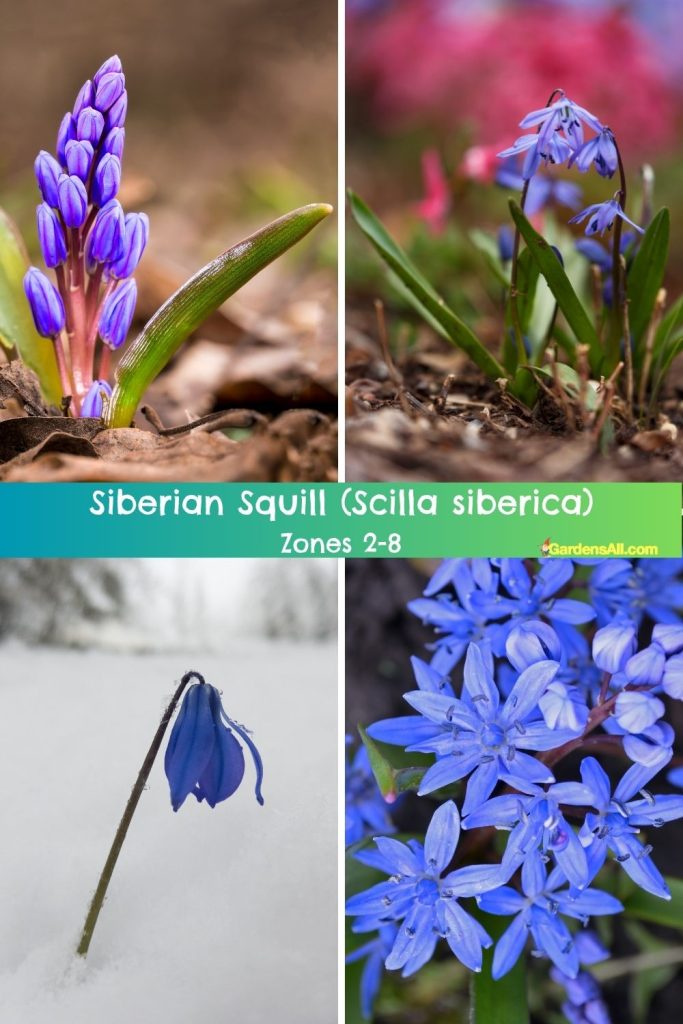
Siberian Squill (Scilla siberica)
- Common Names: Siberian Squill, Wood Squill, Spring Beauty
- Hardiness: Zones 2-8
- Soil: Well-drained, fertile soil
- Light: Full sun to partial shade
- Height: 3-6 inches
- Bloom Time: Early to mid-spring
Siberian Squill is an ideal choice for zone 3 gardens because of its cold-hardiness and vibrant blue flowers. This low-growing, bulbous perennial naturalizes easily, providing a sea of blue in early to mid-spring.
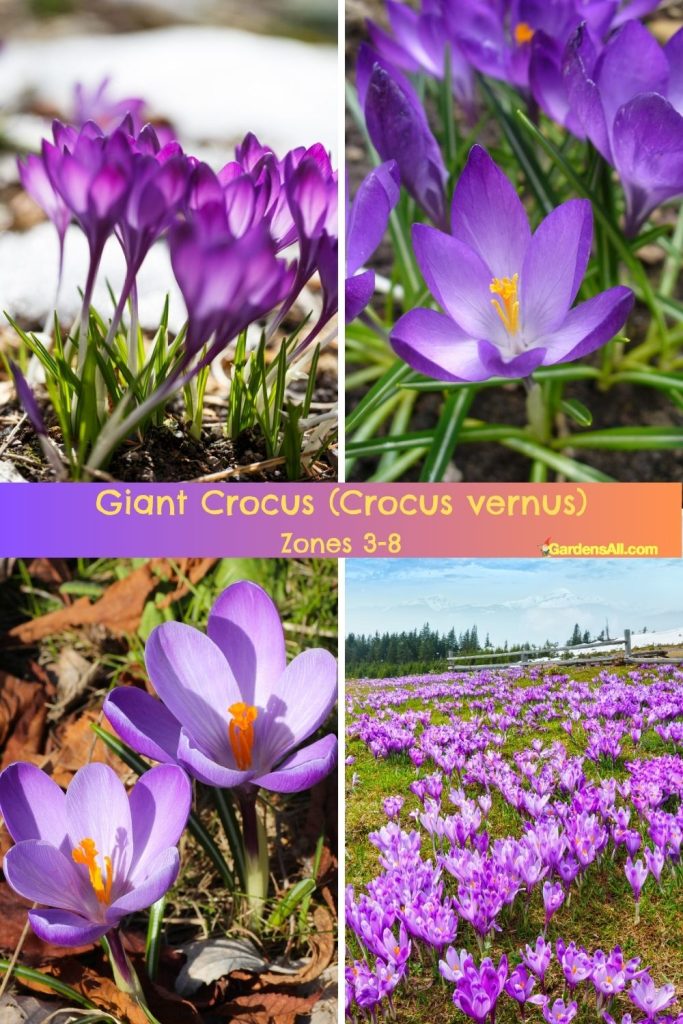
Giant Crocus (Crocus vernus)
- Common Names: Giant Crocus, Spring Crocus, Dutch Crocus
- Hardiness: Zones 3-8
- Soil: Well-drained, fertile soil
- Light: Full sun to light shade
- Height: 4-6 inches
- Bloom Time: Early spring
Giant Crocus is a popular choice for zone 3 gardens due to its cold-hardiness and larger, showier flowers compared to other crocus species. These early spring bloomers come in a variety of colors, adding a vibrant touch to the garden.
ZONE 4: Best Flowers to Plant in Spring in Zone 4
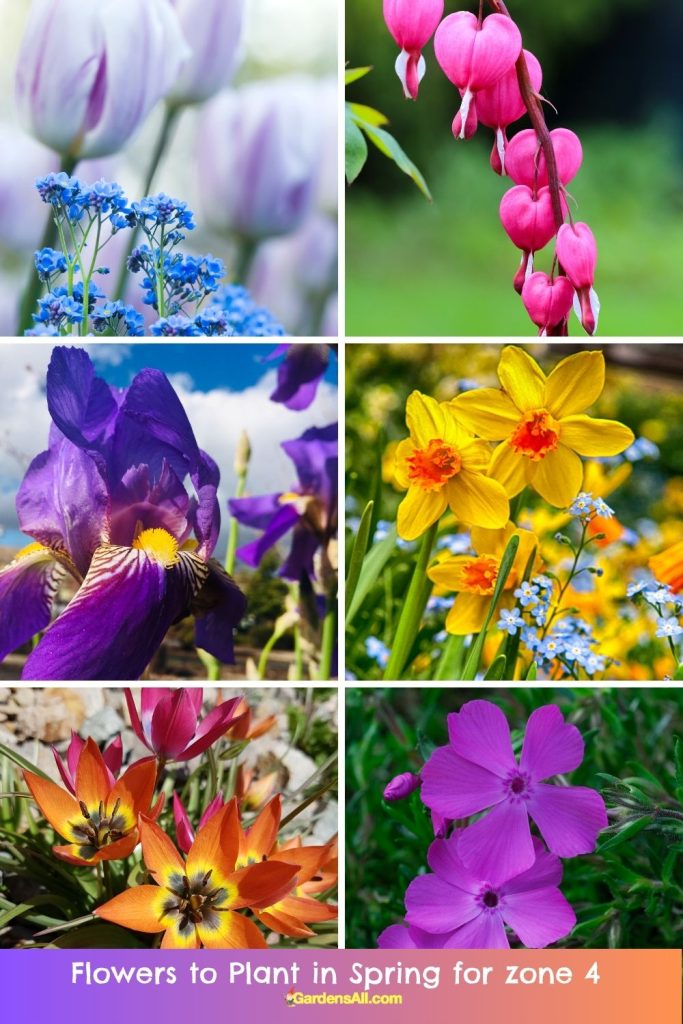
Siberian Bugloss (Brunnera macrophylla)
- Common Names: Siberian Bugloss, False Forget-Me-Not, Heartleaf Brunnera
- Hardiness: Zones 3-8
- Soil: Moist, well-drained, humus-rich soil
- Light: Partial shade to full shade
- Height: 12-18 inches
- Bloom Time: Mid to late spring
Siberian Bugloss is an excellent choice for zone 4 gardens due to its cold-hardiness and beautiful blue flowers. It thrives in partial to full shade and provides an eye-catching display in the spring.

Bleeding Heart (Dicentra spectabilis)
- Common Names: Bleeding Heart, Old-fashioned Bleeding Heart, Dutchman’s Breeches
- Hardiness: Zones 3-9
- Soil: Moist, well-drained, fertile soil
- Light: Partial shade to full shade
- Height: 24-36 inches
- Bloom Time: Late spring to early summer
Bleeding Hearts are popular in zone 4 gardens because of their cold-hardiness and unique, heart-shaped flowers. They thrive in partial to full shade and offer a striking display in late spring and early summer.

Bearded Iris (Iris germanica)
- Common Names: Bearded Iris, German Iris, Flag Iris
- Hardiness: Zones 4-9
- Soil: Well-drained, fertile soil
- Light: Full sun
- Height: 24-48 inches
- Bloom Time: Late spring to early summer
Bearded Irises are an excellent option for zone 4 gardens due to their cold-hardiness and elegant, colorful blooms. They provide a stunning display in the garden during late spring and early summer, and are a low-maintenance choice.

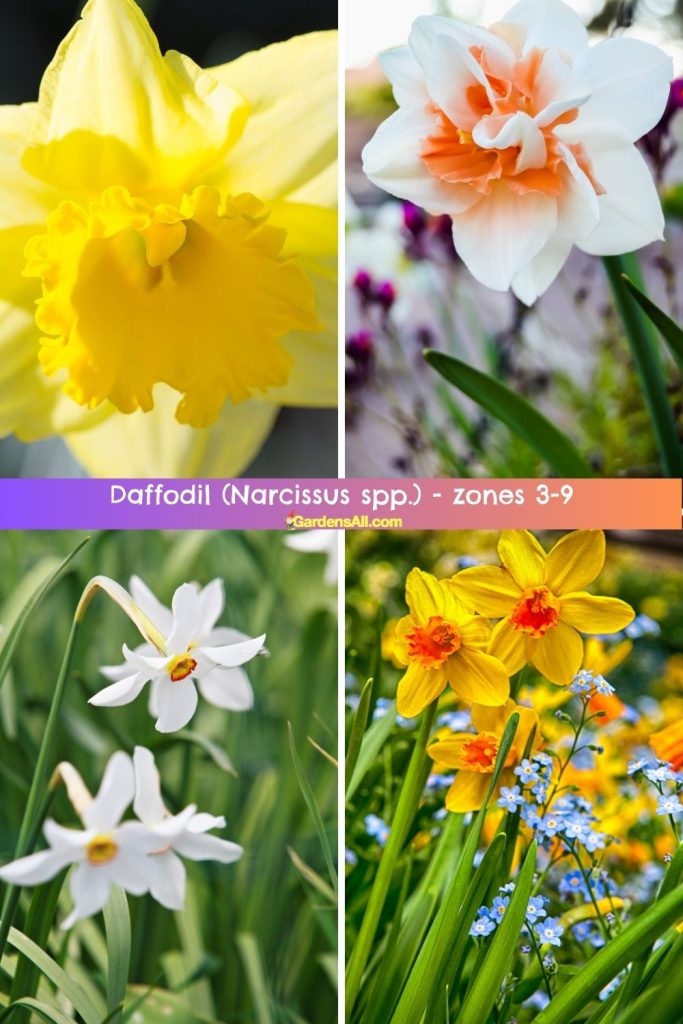
Daffodil (Narcissus spp.)
- Common Names: Daffodil, Narcissus, Wild Daffodil
- Hardiness: Zones 3-9
- Soil: Well-drained, fertile soil
- Light: Full sun to partial shade
- Height: 6-24 inches
- Bloom Time: Early to mid-spring
Daffodils are a classic choice for zone 4 gardens, as they are cold-hardy and provide an early burst of color in the spring. Their cheerful, bright blooms signal the beginning of the growing season and require minimal maintenance.
Tulip (Tulipa spp.)
- Common Names: Tulip, Wild Tulip, Garden Tulip
- Hardiness: Zones 3-8
- Soil: Well-drained, fertile soil
- Light: Full sun to light shade
- Height: 6-24 inches
- Bloom Time: Early to late spring
Tulips are a popular choice for zone 4 gardens because of their cold-hardiness and variety of colors and shapes. They offer a vibrant, colorful display in the spring and are a staple in many spring gardens.

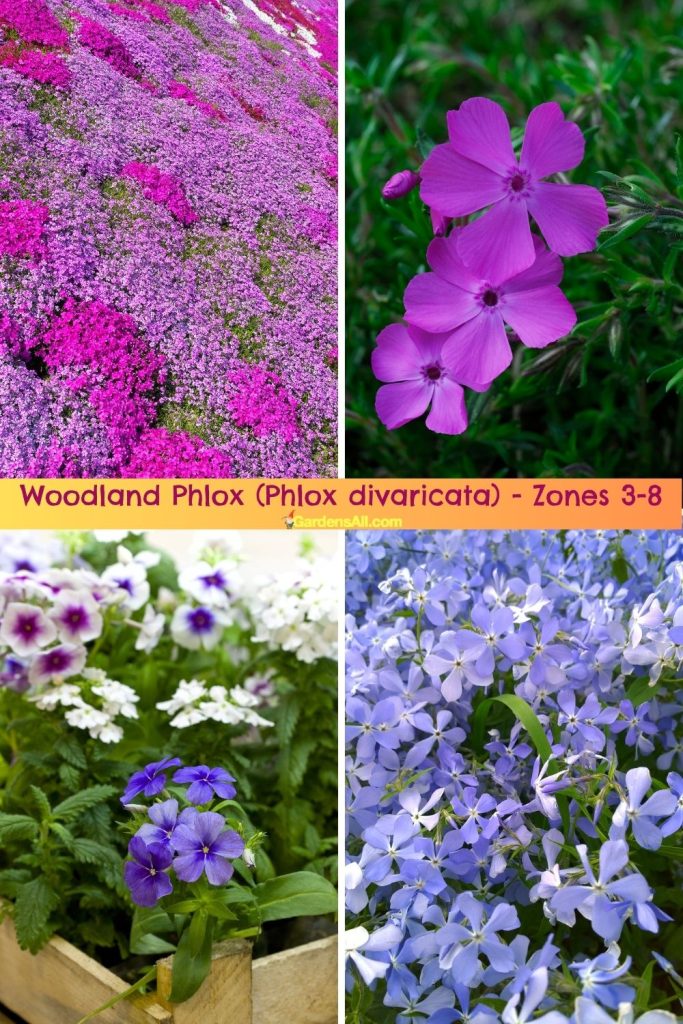
Woodland Phlox (Phlox divaricata)
- Common Names: Woodland Phlox, Wild Blue Phlox, Wild Sweet William
- Hardiness: Zones 3-8
- Soil: Moist, well-drained, humus-rich soil
- Light: Partial shade to full shade
- Height: 12-15 inches
- Bloom Time: Mid to late spring
Woodland Phlox is an ideal choice for zone 4 gardens due to its cold-hardiness and ability to thrive in partial to full shade. It produces clusters of fragrant, colorful flowers that provide a beautiful display in the spring.
ZONE 5: Best Flowers to Plant in Spring in Zone 5

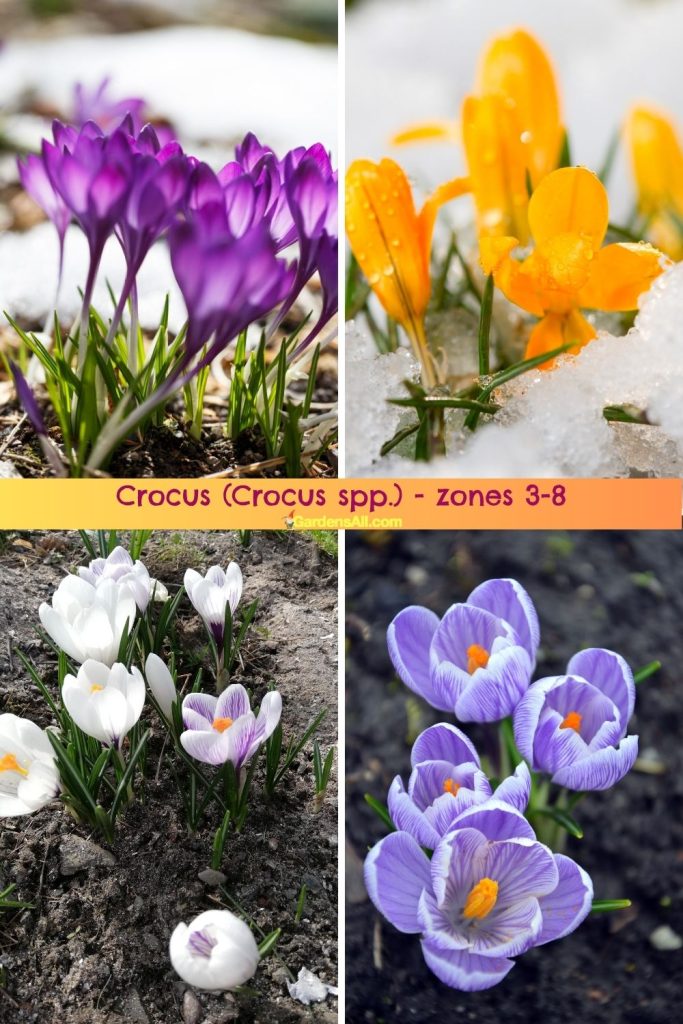
Crocus (Crocus spp.)
- Common Names: Crocus, Spring Crocus, Dutch Crocus
- Hardiness: Zones 3-8
- Soil: Well-drained, fertile soil
- Light: Full sun to light shade
- Height: 3-6 inches
- Bloom Time: Early spring
Crocuses are a beloved choice for zone 5 gardens because they are cold-hardy and one of the first flowers to bloom in spring. Their bright, cheerful colors help to chase away winter and signal the start of the growing season.
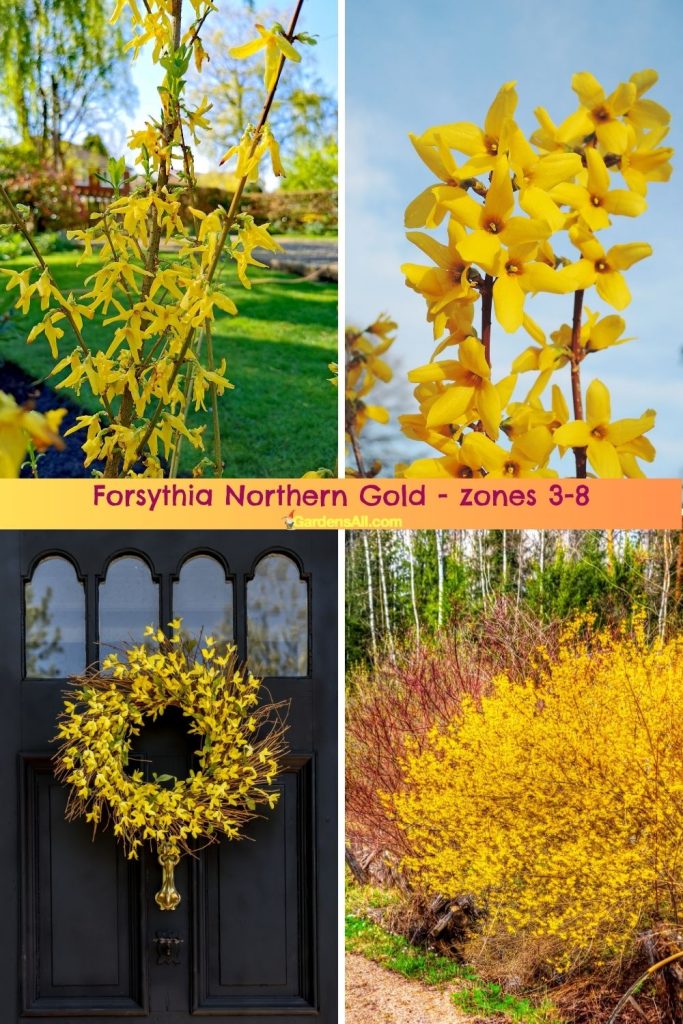
Forsythia ‘Northern Gold’ (Forsythia x intermedia)
Note: the Northern Gold Variety of Forsythia is Hardy in Zones 3-8
- Common Names: Forsythia, Golden Bells, Border Forsythia
- Hardiness: Zones 3-8
- Soil: Well-drained, fertile soil
- Light: Full sun to partial shade
- Height: 8-10 feet (depending on the variety)
- Bloom Time: Early spring
Forsythia is a popular choice for zone 5 gardens due to its cold-hardiness and abundance of vibrant yellow flowers. These deciduous shrubs brighten up the landscape and provide a stunning display in early spring.
Hellebore (Helleborus spp.)
- Common Names: Hellebore, Lenten Rose, Christmas Rose
- Hardiness: Zones 4-9
- Soil: Well-drained, fertile, humus-rich soil
- Light: Partial shade to full shade
- Height: 12-24 inches
- Bloom Time: Late winter to early spring
Hellebores are ideal for zone 5 gardens because of their cold-hardiness and ability to thrive in shady conditions. They bloom in late winter to early spring, providing color and interest when few other plants are in bloom.

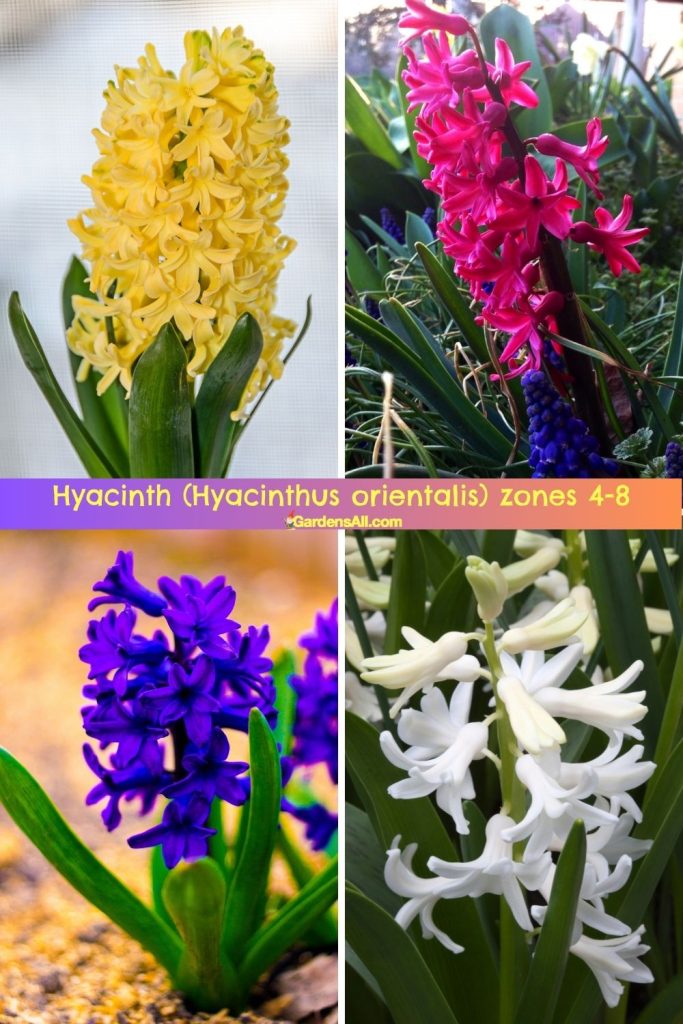
Hyacinth (Hyacinthus orientalis)
- Common Names: Hyacinth, Common Hyacinth, Garden Hyacinth
- Hardiness: Zones 4-8
- Soil: Well-drained, fertile soil
- Light: Full sun to light shade
- Height: 6-12 inches
- Bloom Time: Early to mid-spring
Hyacinths are a popular choice for zone 5 gardens due to their cold-hardiness and fragrant, colorful blooms. They offer a stunning display in the garden during early to mid-spring, making them a beloved springtime favorite.
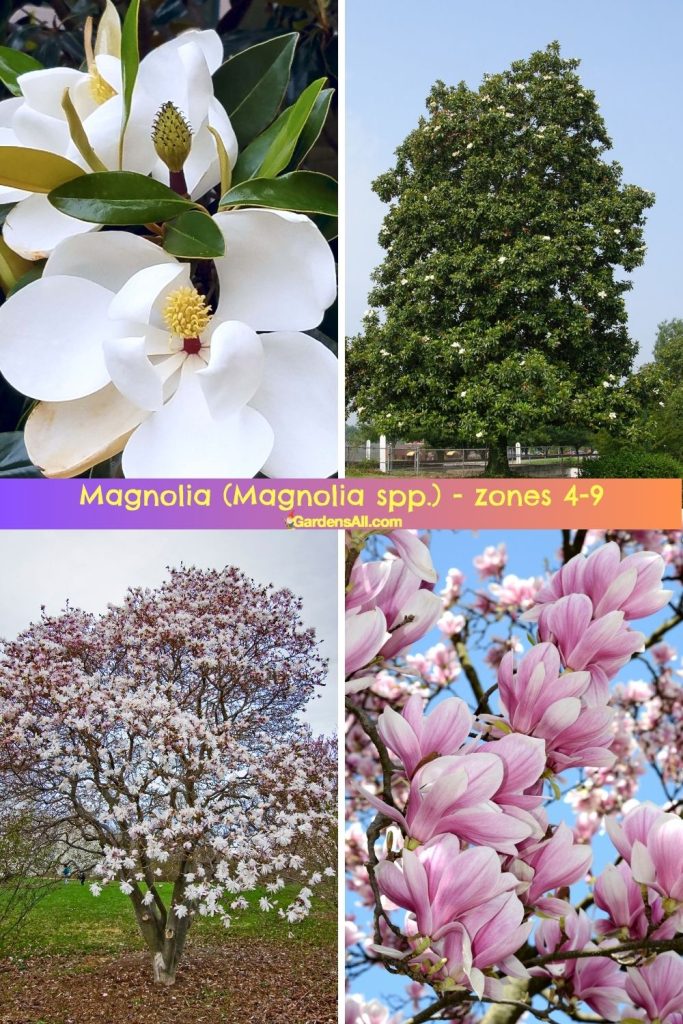
Magnolia (Magnolia spp.)
- Common Names: Magnolia, Saucer Magnolia, Star Magnolia
- Hardiness: Zones 4-9 (depending on the variety)
- Soil: Well-drained, fertile, humus-rich soil
- Light: Full sun to partial shade
- Height: 10-30 feet (depending on the variety)
- Bloom Time: Early to mid-spring
Magnolias are a great choice for zone 5 gardens because of their cold-hardiness and impressive, large flowers. These deciduous trees provide a striking display in the landscape during early to mid-spring, adding both color and elegance.
Primrose (Primula spp.)
- Common Names: Primrose, English Primrose, Fairy Primrose
- Hardiness: Zones 4-8
- Soil: Moist, well-drained, humus-rich soil
- Light: Partial shade to full shade
- Height: 4-12 inches
- Bloom Time: Early to late spring
Primroses are an excellent choice for zone 5 gardens due to their cold-hardiness and preference for shady conditions. They produce clusters of colorful, cheerful flowers throughout the spring, brightening up the garden in the early growing season.
You may also enjoy our article on primula here.

ZONE 6: Five Best Flowers to Plant in Spring in Zone 6
Grape Hyacinth (Muscari spp.)
- Common Names: Grape Hyacinth, Armenian Grape Hyacinth, Tassel Hyacinth
- Hardiness: Zones 3-9
- Soil: Well-drained, fertile soil
- Light: Full sun to light shade
- Height: 4-8 inches
- Bloom Time: Early to mid-spring
Grape Hyacinths are a popular choice for zone 6 gardens because they are cold-hardy and produce clusters of small, grape-like blooms. Their vibrant colors provide a stunning display in the garden during early to mid-spring.
See more small perennial purple flowers here.

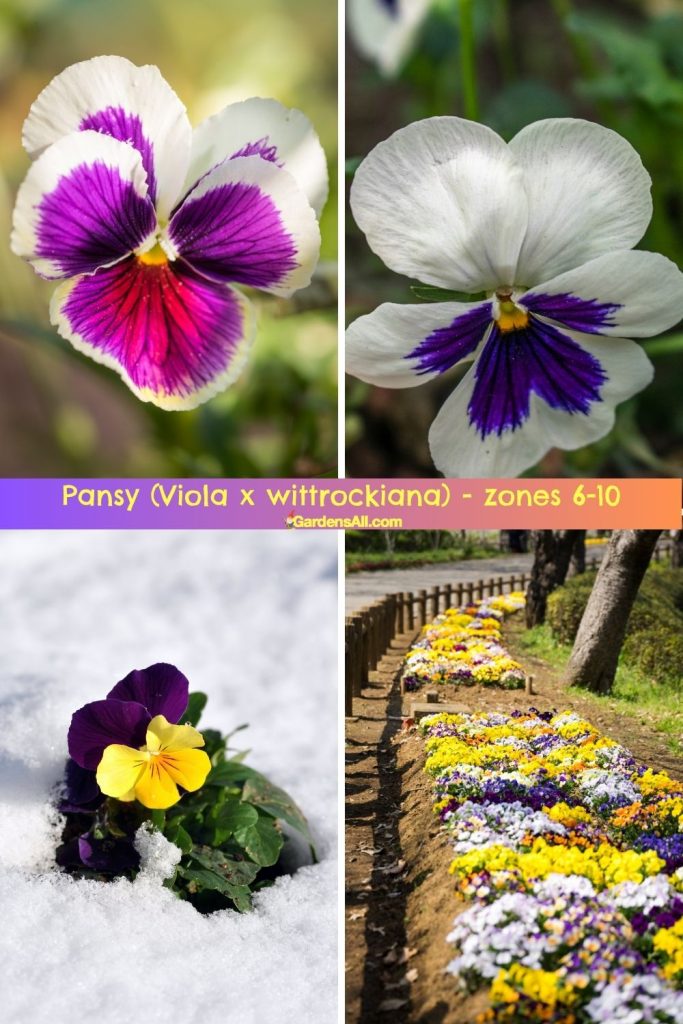
Pansy (Viola x wittrockiana)
- Common Names: Pansy, Garden Pansy, Hybrid Pansy
- Hardiness: Zones 6-10
- Soil: Well-drained, fertile, slightly acidic soil
- Light: Full sun to partial shade
- Height: 6-12 inches
- Bloom Time: Early spring to frost
Pansies are a popular choice for zone 6 gardens because they are cold-hardy and offer a wide range of colors and patterns. They provide a bright and cheerful display throughout the spring and can even continue blooming into the summer.
You may also enjoy this article on another popular Viola plant, wild violets benefits.
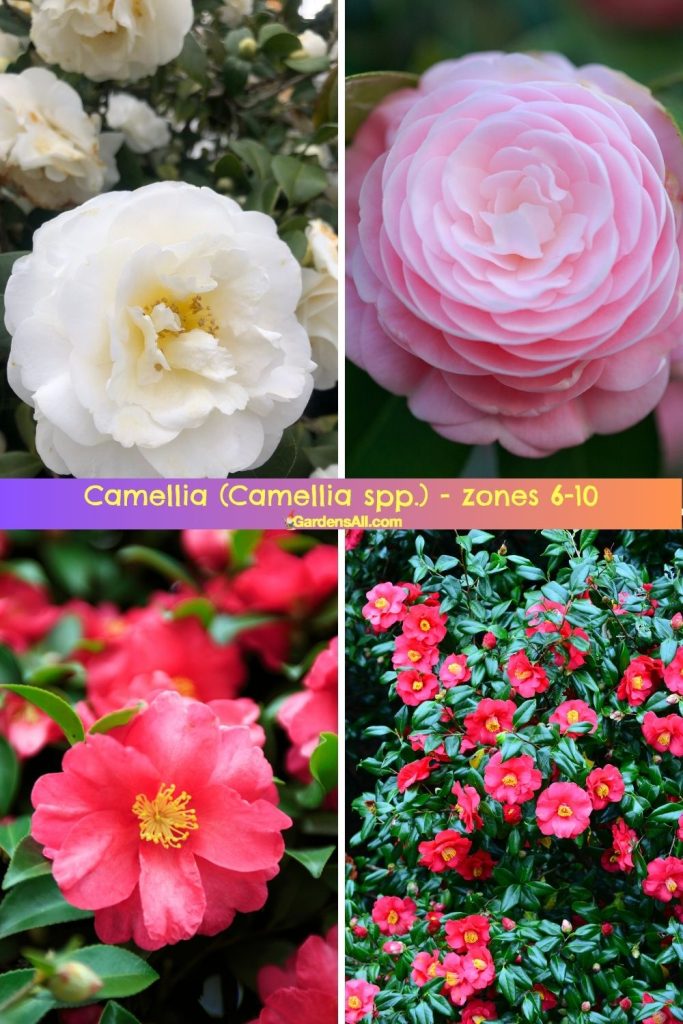
Camellia (Camellia spp.)
- Common Names: Camellia, Japanese Camellia, Tea Flower
- Hardiness: Zones 6-10 (depending on the variety)
- Soil: Well-drained, fertile, acidic soil
- Light: Partial shade to full shade
- Height: 6-20 feet (depending on the variety)
- Bloom Time: Late winter to early spring
Camellias are a great choice for zone 6 gardens because they are cold-hardy and produce impressive, large flowers. These evergreen shrubs provide a striking display in the landscape, adding both color and elegance in late winter and early spring.
If you love camellias, you may also enjoy our article on Camellia sasanqua.
Virginia Bluebell (Mertensia virginica)
- Common Names: Virginia Bluebell, Virginia Cowslip, Eastern Bluebell
- Hardiness: Zones 3-8
- Soil: Moist, well-drained, humus-rich soil
- Light: Partial shade to full shade
- Height: 18-24 inches
- Bloom Time: Mid to late spring
Virginia Bluebells are an excellent choice for zone 6 gardens due to their cold-hardiness and preference for shady conditions. Their trumpet-shaped, blue flowers create a charming display in the mid to late spring.

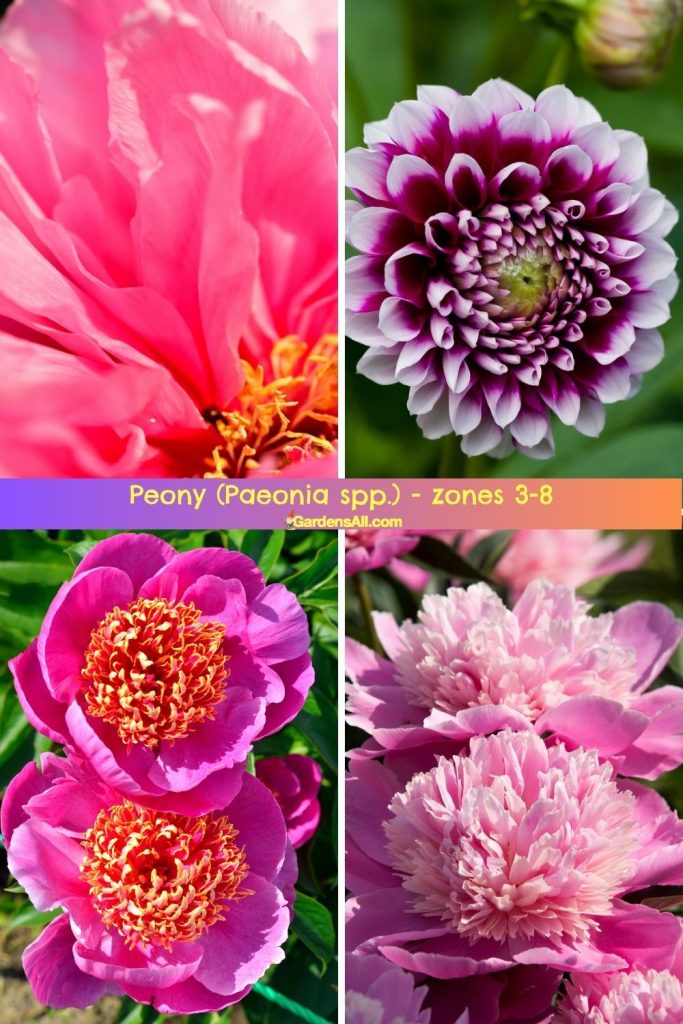
Peony (Paeonia spp.)
- Common Names: Peony, Garden Peony, Chinese Peony
- Hardiness: Zones 3-8
- Soil: Well-drained, fertile, slightly acidic to neutral soil
- Light: Full sun to light shade
- Height: 24-36 inches
- Bloom Time: Late spring to early summer
Peonies are a popular choice for zone 6 gardens because they are cold-hardy and produce large, fragrant blooms. These herbaceous perennials offer a stunning display in the garden during late spring and early summer, and are available in various colors and forms.
You may also enjoy our article on peonies.
Eastern Redbud Tree – (Cercis canadensis)
- Common Names: Redbud, Eastern Redbud, Judas Tree
- Hardiness: Zones 4-9
- Soil: Well-drained, fertile soil
- Light: Full sun to partial shade
- Height: 20-30 feet
- Bloom Time: Early to mid-spring
Redbuds are a great choice for zone 6 gardens because they are cold-hardy and provide a burst of color in early spring. These deciduous trees produce clusters of small, pink or lavender.
Did you know that redbud leaves are edible?

ZONE 7: Five Best Flowers to Plant in Spring in Zone 7
Clematis
A popular flowering plant, Clematis belongs to the Ranunculaceae family, known for its stunning blooms that come in a range of colors and sizes. Clematis can grow anywhere from a few feet tall to over 20 feet tall, depending on the variety. Some are climbers that can be trained to grow up trellises or walls, while others are more compact and bush-like.
Clematis is a versatile plant that can be grown in a variety of climates, but thrives in moderate temperatures with plenty of sunlight and good drainage. With the right growing conditions, clematis can thrive and provide a beautiful display of blooms year after year.
- Common Names: Clematis, leather flower
- Hardiness Zones: 3-9, depending on the variety
- Soil: well-draining soil, humus rich, slightly acidic to neutral, with a pH between 6.0 and 7.0.
- Light: 6+ hours
- Size –
- height: 3-20 feet tall or more as vines that need trellising, or compact and bush-like
- flowers: range can range in size from small and delicate to large and showy
- Blooms –
- timing: spring and summer, with some varieties blooming into the fall.
- colors: come in a variety of colors, including pink, purple, red, white, and blue.
You can see our article on popular Purple Clematis here.

Forsythia (Forsythia x intermedia)
- Common Names: Forsythia, Border Forsythia, Golden Bells
- Hardiness: Zones 5-8
- Soil: Well-drained, moderately fertile soil
- Light: Full sun to light shade
- Height: 8-10 feet
- Bloom Time: Early spring
Forsythia is a popular choice for zone 7 gardens because it is cold-hardy and produces vibrant yellow blooms in early spring. This fast-growing deciduous shrub provides a stunning burst of color before many other plants begin to flower.

Azalea (Rhododendron spp.)
- Common Names: Azalea, Rhododendron, Evergreen Azalea
- Hardiness: Zones 4-9 (depending on the variety)
- Soil: Well-drained, acidic, humus-rich soil
- Light: Partial shade to full shade
- Height: 2-8 feet (depending on the variety)
- Bloom Time: Mid to late spring
Azaleas are a great choice for zone 7 gardens because they are cold-hardy and produce a spectacular display of blooms. These evergreen or deciduous shrubs thrive in partial to full shade and offer a wide range of colors and sizes to suit any garden.
See also our article on flame azaleas… one of our favorite fragrant azaleas.

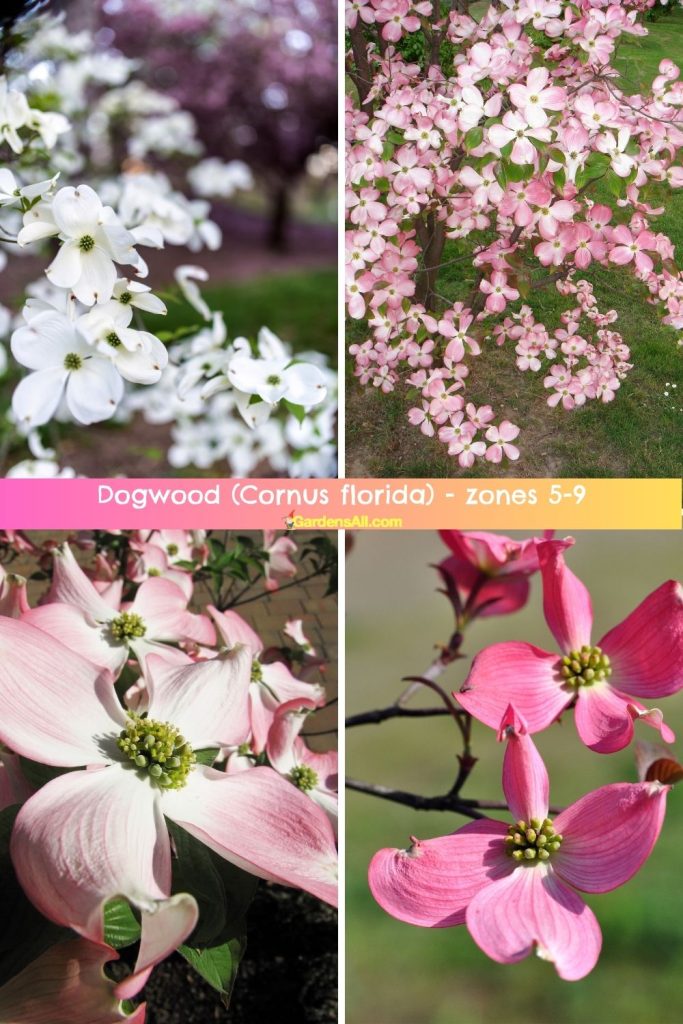
Dogwood (Cornus florida)
- Common Names: Dogwood, Flowering Dogwood, Eastern Dogwood
- Hardiness: Zones 5-9
- Soil: Well-drained, fertile soil
- Light: Full sun to partial shade
- Height: 15-30 feet
- Bloom Time: Early to mid-spring
Dogwoods are a popular choice for zone 7 gardens because they are cold-hardy and produce beautiful, showy flowers in the spring. These deciduous trees are known for their ornamental value, with stunning pink, white, or red blooms that complement any landscape.
See also the Easter dogwood trees in bloom.
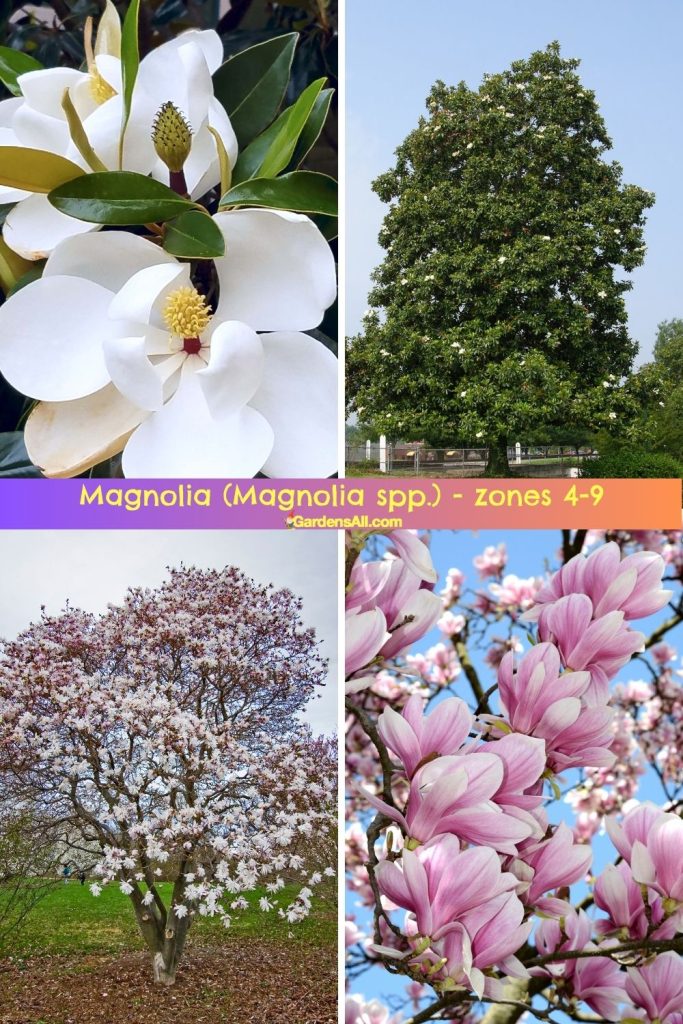
Magnolia (Magnolia spp.)
- Common Names: Magnolia, Southern Magnolia, Star Magnolia
- Hardiness: Zones 4-9 (depending on the variety)
- Soil: Well-drained, fertile, acidic to neutral soil
- Light: Full sun to partial shade
- Height: 15-80 feet (depending on the variety)
- Bloom Time: Early to late spring
Magnolias are a great choice for zone 7 gardens because they are cold-hardy and produce large, showy flowers. These deciduous or evergreen trees offer a range of sizes and bloom colors, adding an elegant touch to the garden in early to late spring.
Cherry Blossom (Prunus spp.)
- Common Names: Cherry Blossom, Japanese Cherry, Sakura
- Hardiness: Zones 5-8 (depending on the variety)
- Soil: Well-drained, fertile soil
- Light: Full sun
- Height: 15-25 feet
- Bloom Time: Early to mid-spring
Cherry blossoms are a popular choice for zone 7 gardens because they are cold-hardy and produce stunning displays of delicate, pink or white flowers. These deciduous trees are a symbol of spring and create a captivating, romantic atmosphere in any garden.

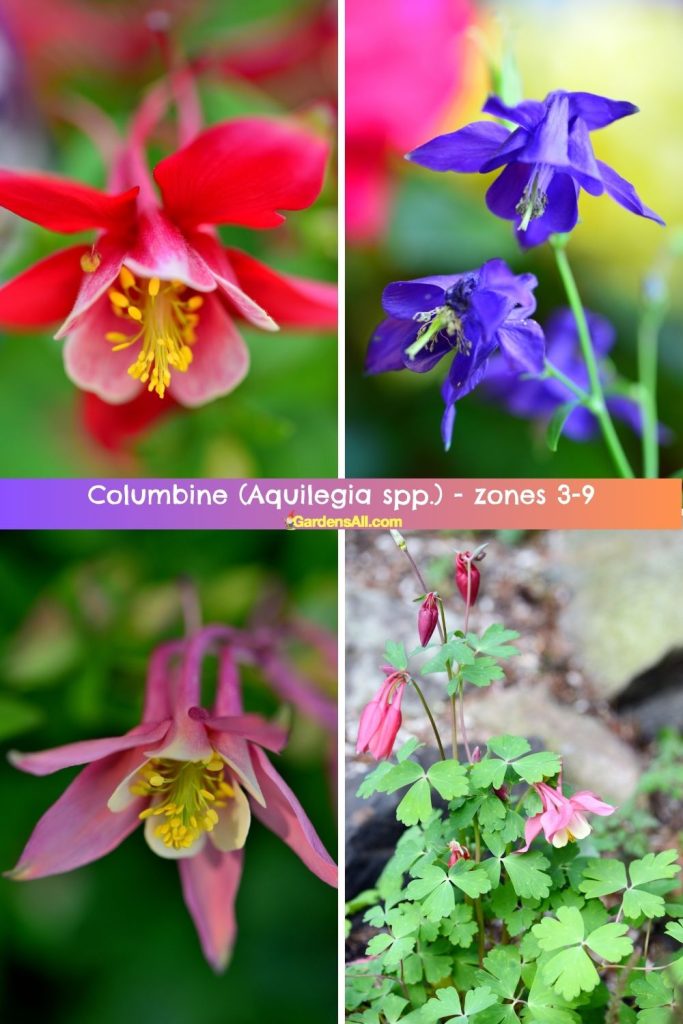
Columbine (Aquilegia spp.)
- Common Names: Columbine, Granny’s Bonnet, European Columbine
- Hardiness: Zones 3-9
- Soil: Well-drained, fertile, moist soil
- Light: Full sun to partial shade
- Height: 1-3 feet
- Bloom Time: Late spring to early summer
Columbines are a popular choice for zone 7 gardens because they are cold-hardy and produce delicate, nodding flowers in various colors. These perennial plants are low-maintenance and thrive in woodland settings or partially shaded borders, providing a charming display in the garden from late spring to early summer while attracting pollinators like hummingbirds and butterflies.
ZONE 8: Five Best Flowers to Plant in Spring in Zone 8
Daffodil (Narcissus spp.)
- Common Names: Daffodil, Narcissus, Jonquil
- Hardiness: Zones 3-9
- Soil: Well-drained, moderately fertile soil
- Light: Full sun to light shade
- Height: 6-24 inches (depending on the variety)
- Bloom Time: Early to mid-spring
Daffodils are a popular choice for zone 8 gardens because they are cold-hardy and produce bright, cheerful blooms in early to mid-spring. These bulbous perennials offer a wide range of colors, sizes, and forms to suit any garden style.

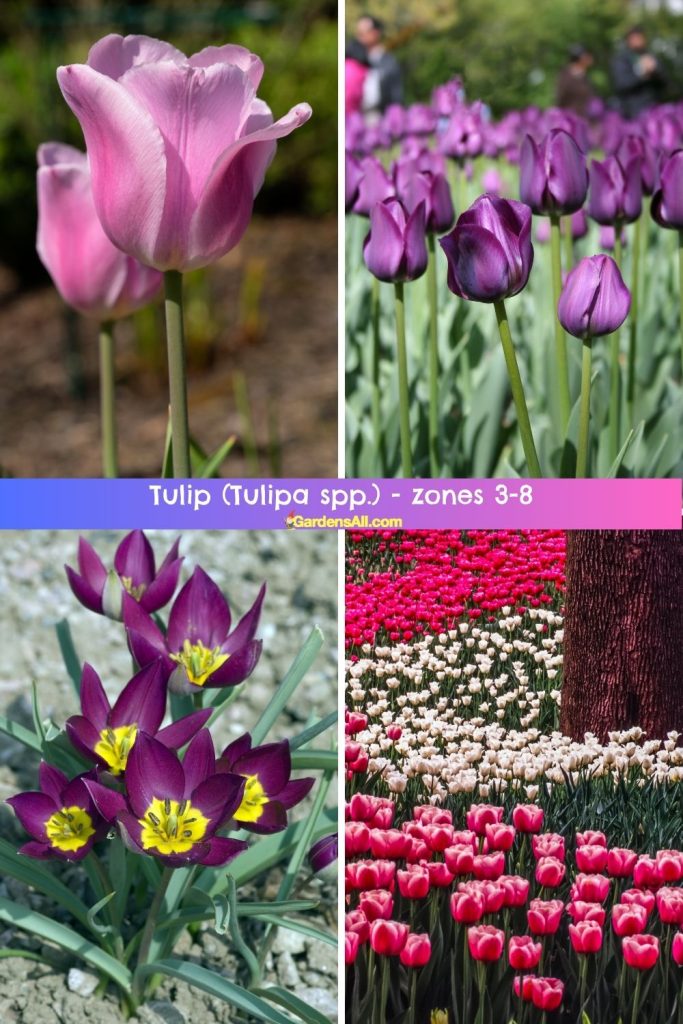
Tulip (Tulipa spp.)
- Common Names: Tulip, Garden Tulip, Wild Tulip
- Hardiness: Zones 3-8
- Soil: Well-drained, fertile soil
- Light: Full sun
- Height: 4-28 inches (depending on the variety)
- Bloom Time: Early to late spring
Tulips are a popular choice for zone 8 gardens because they are cold-hardy and provide a stunning display of blooms in various colors, shapes, and sizes. These spring-blooming bulbs can be used in borders, containers, or as cut flowers.
Iris (Iris spp.)
- Common Names: Iris, Bearded Iris, Siberian Iris
- Hardiness: Zones 3-9 (depending on the variety)
- Soil: Well-drained, fertile soil
- Light: Full sun to light shade
- Height: 8-48 inches (depending on the variety)
- Bloom Time: Late spring to early summer
Irises are a great choice for zone 8 gardens because they are cold-hardy and produce stunning, intricate flowers. These perennial plants come in various colors and sizes, adding a sophisticated touch to the garden in late spring and early summer.
See lots more in our ultimate guide of purple flowers, or this on on tall purple flowers.

Bluebell (Hyacinthoides non-scripta)
- Common Names: Bluebell, English Bluebell, British Bluebell
- Hardiness: Zones 4-9
- Soil: Well-drained, moist, humus-rich soil
- Light: Partial shade to full shade
- Height: 12-18 inches
- Bloom Time: Mid to late spring
Bluebells are a popular choice for zone 8 gardens because they are cold-hardy and produce vibrant, bell-shaped blooms. These woodland perennials thrive in partial to full shade, creating a stunning carpet of blue flowers in mid to late spring.

Bleeding Heart (Dicentra spectabilis)
- Common Names: Bleeding Heart, Common Bleeding Heart, Lady in a Bath
- Hardiness: Zones 3-9
- Soil: Well-drained, fertile, humus-rich soil
- Light: Partial shade to full shade
- Height: 24-36 inches
- Bloom Time: Late spring to early summer
Bleeding Hearts are a great choice for zone 8 gardens because they are cold-hardy and produce unique, heart-shaped flowers. These shade-loving perennials create a captivating display in the garden during late spring and early summer.

Snapdragon (Antirrhinum majus)
- Common Names: Snapdragon, Common Snapdragon, Garden Snapdragon
- Hardiness: Zones 4-10
- Soil: Well-drained, moderately fertile soil
- Light: Full sun to light shade
- Height: 6-36 inches (depending on the variety)
- Bloom Time: Spring to frost
Snapdragons are a popular choice for zone 8 gardens because they are cold-hardy and produce tall spikes of tubular flowers. These colorful annuals provide a continuous display of blooms from spring until frost, adding a lively touch to borders, containers, and cottage gardens while attracting pollinators such as bees and butterflies.

ZONES 9-10: Five Best Flowers to Plant in Spring in Zones 9-10
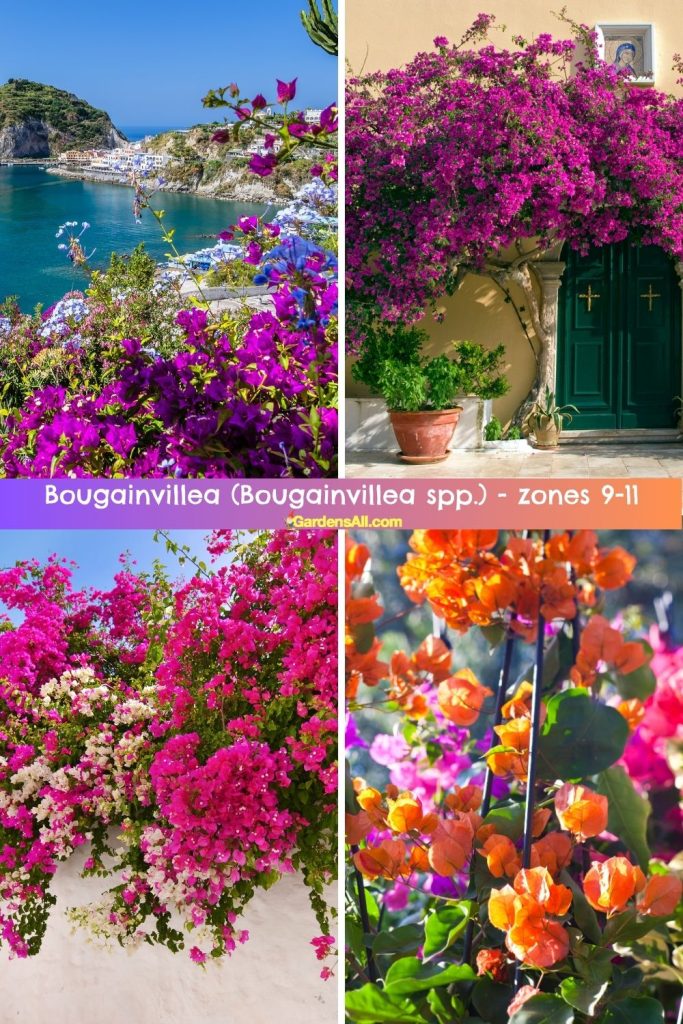
Bougainvillea (Bougainvillea spp.)
- Common Names: Bougainvillea, Paper Flower, Lesser Bougainvillea
- Hardiness: Zones 9-11
- Soil: Well-drained, moderately fertile soil
- Light: Full sun
- Height: 3-40 feet (depending on the variety)
- Bloom Time: Spring to fall
Bougainvillea is a popular choice for zones 9-10 gardens because it is heat-tolerant and produces vibrant, colorful blooms. These tropical vines create a stunning display of flowers throughout the spring, summer, and fall.
Hibiscus (Hibiscus rosa-sinensis)
- Common Names: Hibiscus, Chinese Hibiscus, Rose Mallow
- Hardiness: Zones 9-11
- Soil: Well-drained, fertile, slightly acidic soil
- Light: Full sun to light shade
- Height: 4-15 feet
- Bloom Time: Spring to fall
Hibiscus is a popular choice for zones 9-10 gardens because it is heat-tolerant and produces large, showy flowers. These tropical shrubs offer a range of colors and can bloom continuously from spring to fall, providing a spectacular display in the garden.
See also, our favorite Fiesta Hibiscus, (pictured top left below), and also an article on Hibiscus syriacus vs. Hibiscus rosa sinensis.

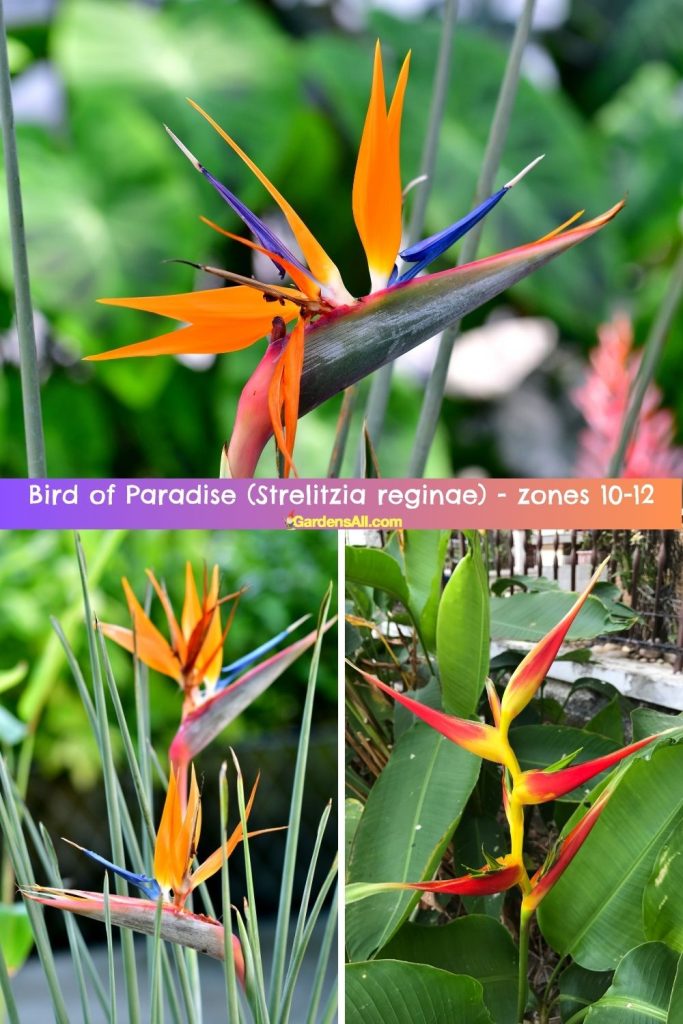
Bird of Paradise (Strelitzia reginae)
- Common Names: Bird of Paradise, Crane Flower, Orange Strelitzia
- Hardiness: Zones 10-12
- Soil: Well-drained, fertile soil
- Light: Full sun to light shade
- Height: 4-6 feet
- Bloom Time: Spring to fall
Bird of Paradise is a popular choice for zones 9-10 gardens because it is heat-tolerant and produces exotic, colorful flowers. These tropical perennials create a dramatic display in the garden with their striking blooms that resemble the head of a tropical bird.
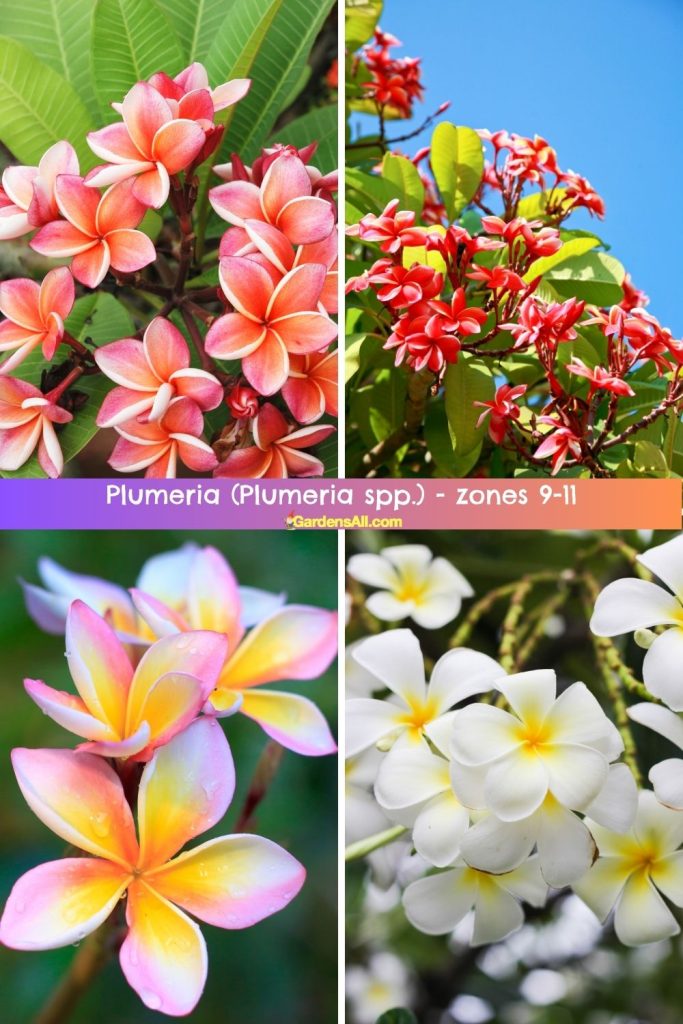
Plumeria (Plumeria spp.)
- Common Names: Plumeria, Frangipani, Lei Flower
- Hardiness: Zones 9-11
- Soil: Well-drained, fertile, slightly acidic soil
- Light: Full sun
- Height: 8-25 feet (depending on the variety)
- Bloom Time: Spring to fall
Plumeria is a great choice for zones 9-10 gardens because it is heat-tolerant and produces fragrant, waxy flowers. These tropical trees or shrubs are often used in Hawaiian leis and can bloom throughout spring, summer, and fall, adding a touch of the tropics to any garden.
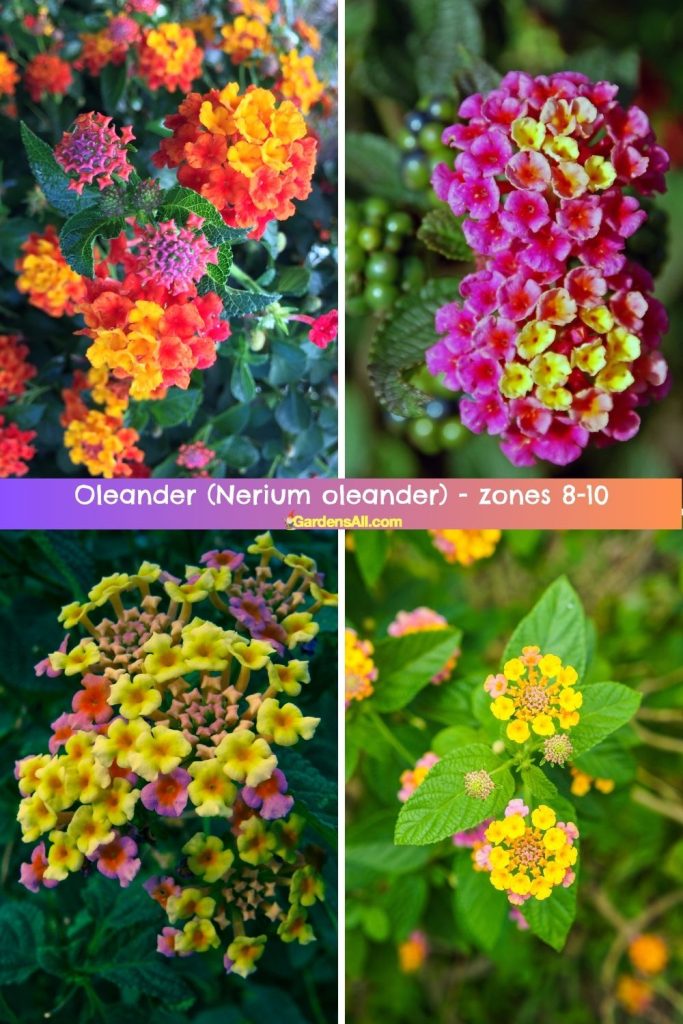
Lantana (Lantana camara)
- Common Names: Lantana, Common Lantana, Shrub Verbena
- Hardiness: Zones 8-11
- Soil: Well-drained, moderately fertile soil
- Light: Full sun
- Height: 1-6 feet (depending on the variety)
- Bloom Time: Spring to frost
Lantana is a popular choice for zones 9-10 gardens because it is heat-tolerant and produces clusters of small, colorful flowers. These perennial or annual shrubs are low-maintenance and can bloom continuously from spring to frost, attracting butterflies and hummingbirds to the garden.
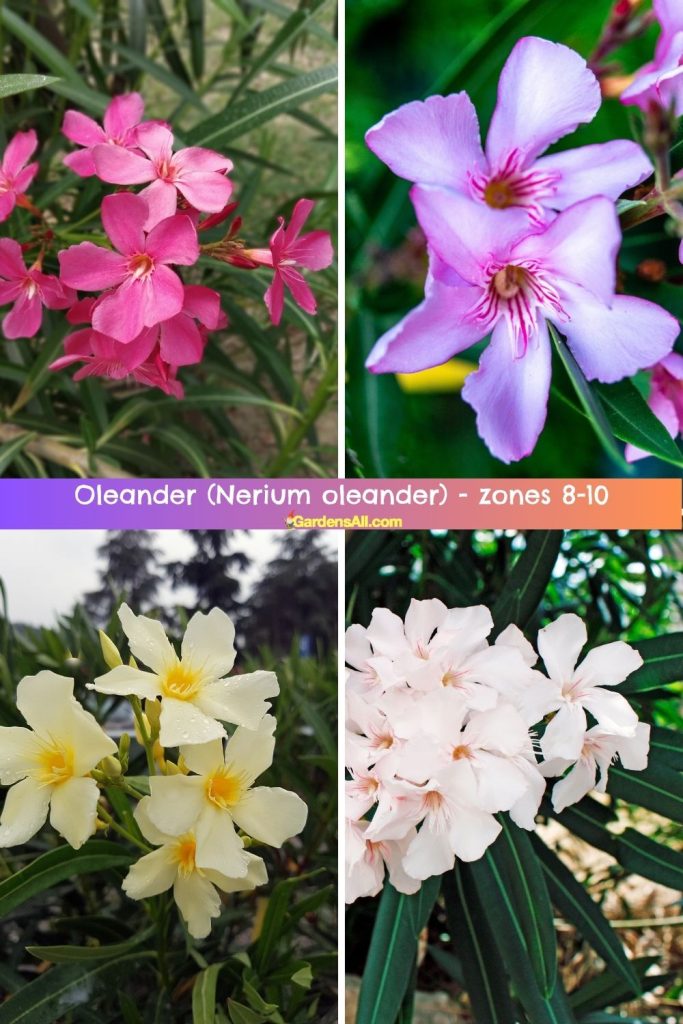
Oleander (Nerium oleander)
- Common Names: Oleander, Common Oleander, Rose Bay
- Hardiness: Zones 8-10
- Soil: Well-drained, fertile, slightly acidic soil
- Light: Full sun
- Height: 6-12 feet
- Bloom Time: Spring to fall
Oleander is a popular choice for zones 9-10 gardens because it is heat-tolerant and produces clusters of showy, tubular flowers. These evergreen shrubs create a stunning display in the garden with blooms that last from spring to fall.
However, it’s important to note that all parts of the Oleander plant are toxic, so caution should be exercised around children and pets.
Wildflowers
In addition to all these many gorgeous options, we also love wild flowers, such as these weeds with purple flowers worth getting to know.

I’m LeAura Alderson, a garden, herb and plant enthusiast with a passion for discovering the many edible and medicinal benefits of the plants all around us, including the weeds, while transforming the land through regenerative permaculture practice. I am also a writer, editor and media publisher (now mostly retired due to replacement by AI), but which now allows more time to build our regenerative permaculture homestead farm.