
Pungent, Punchy and Potent
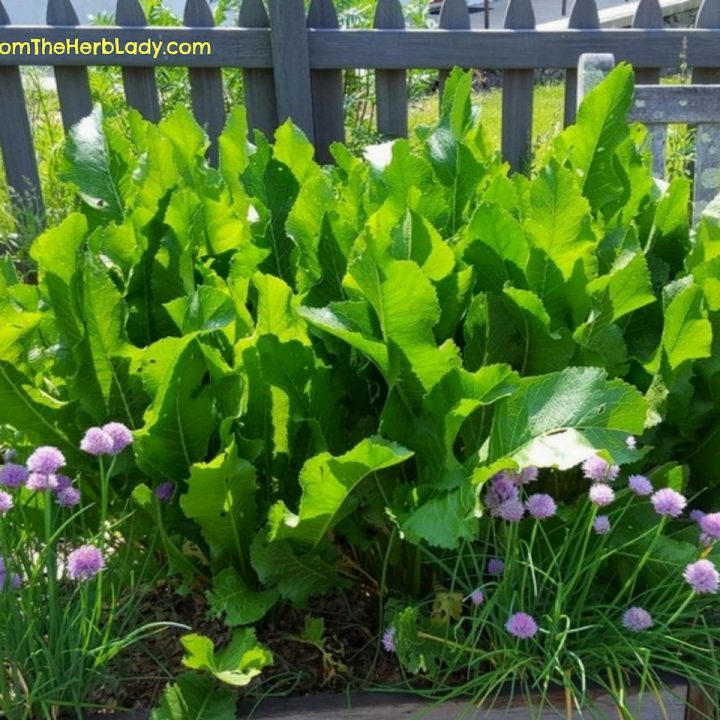
If you’re not yet growing horseradish, you may want to. From leaf to root, the horseradish benefits are numerous to boot! Pungent, punchy and potent, you can use the roots, leaves and flowers of the humble horseradish plant.
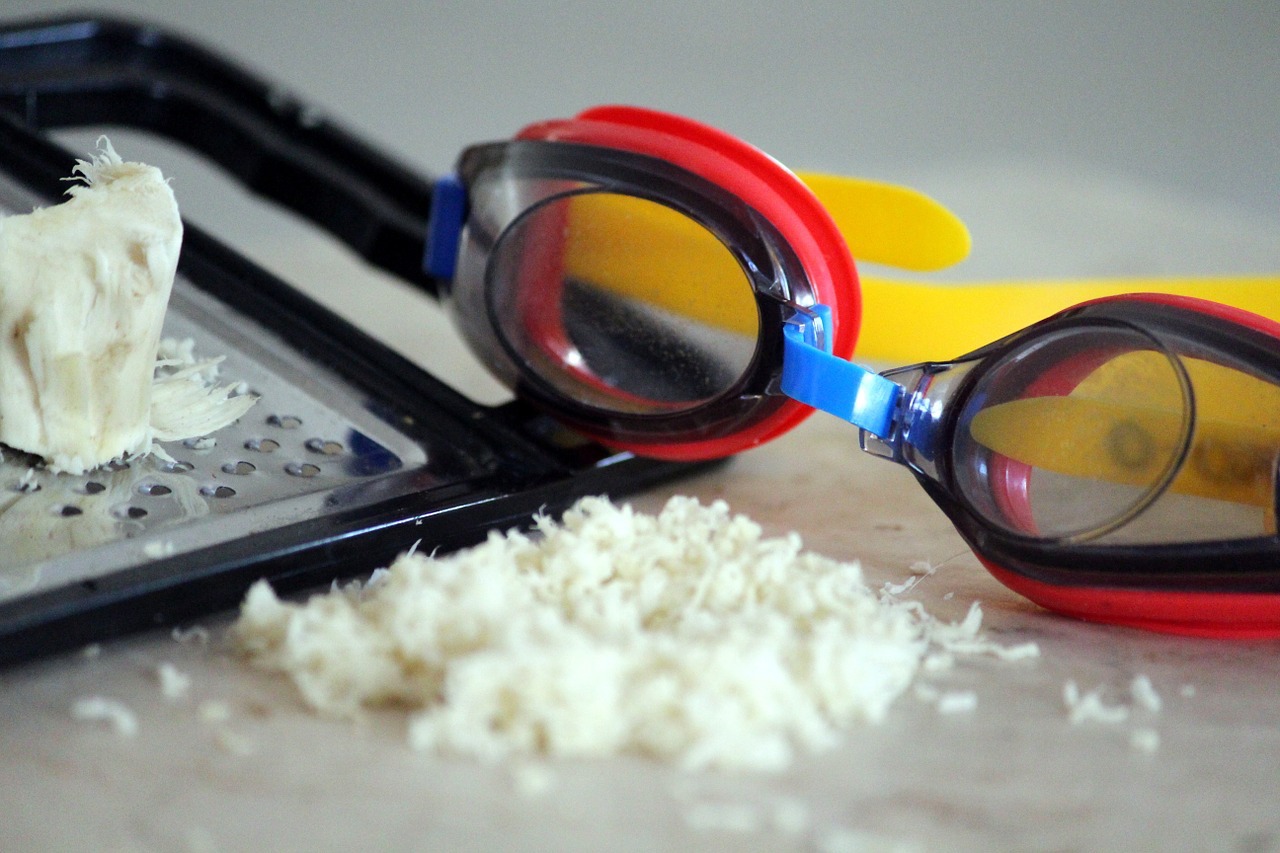
Horseradish, (Armoracia rusticana), is a pungent root often used as a relish. Fresh grated horseradish can induce tears, rankle mucous membranes and set hell fire blazing in the oral cavity while fumigating the nasal passages. Some might call horseradish bitingly pungent.
Before we get into the horseradish benefits and uses, let’s cover a little background on this homely root with so much power.
Horseradish is often used as a substitute for Wasabi.
Wasabi Substitute
The Japanese condiment wasabi, is a green paste prepared from the true wasabi plant (Wasabia japonica). But the wasabi is plant is hard to propagate and takes several years to grow, and is subsequently, very expensive. When it comes to food preparation, wasabi must be served within minutes of grating because it loses its flavor very quickly.
“Most sushi eaters—even in Japan—are actually being served a mixture of ground horseradish and green food coloring, splashed with a hint of Chinese mustard. Worldwide, experts believe that this imposter combination masquerades as wasabi about 99 percent of the time.”
~TheAtlantic.com
“Authentic wasabi, known as Wasabia japonica, is the most expensive crop in the world to grow.”
Source: The Atlantic
Western Wasabi
The reason for this wasabi treason…? Availability, and subsequently, price. But also, the horseradish proves to be a very worthy replacement, and in fact in Asia is often called “western wasabi”.
In Japanese, the botanical tag for horseradish is seiyōwasabi, translated as “Western wasabi”. The two plants share the same family—Brassicaceae.[1]https://en.wikipedia.org/wiki/Horseradish
How to pronounce Brassicaceae in simple phonetic English:
- Brah-sĭ-KAY-see (or Brăss-sĭ-KAY-see – more common in US) [2]https://youtu.be/WGJRjhMTBdQ
- Brăss-uh-COTCHY-ee (lesser common US version) [3]https://youtu.be/sfDHnVCKzF4
- Brah-SISSY-eye, (more common to UK)[4]https://youtu.be/VhgORv27_SE
- Brah–sĭ-KAY-see-aye (more nuanced pronunciation of the end vowels)
Horseradish has been used for food and medicine down the ages. Native to Eastern Europe and Western Asia, horseradish’s recorded history dates back to the early Greeks (likely even earlier).
Europeans brought plants to The New World for culinary and medicinal purposes, but more than that, they brought it for survival. Same with the mighty dandelion and purslane and other tenacious and invasive “weeds”.
Some of the most resilient “weeds” are also nutritional and medicinal powerhouse plants.
Why is it called Horseradish?
The first origin of the word horseradish is thought to stem from the German word for it: “meerrettich”, meaning ‘sea radish’, because it grows by the sea. The English are thought to have translated that to mean “mare-radish.
So common assumptions are that the English adopted the word “horse” from “mare” to mean “strong, large, coarse”. [5]https://www.etymonline.com/word/horseradish#etymonline_v_14471 Given that this potent root can reduce a brawny brute to tears, that meaning sure fits.
Horseradish, Armoracia rusticana
Nature’s invasive species considered weeds, are often resilient plants with tremendous food and medicinal value.
Growing Horseradish
Where to Buy Horseradish
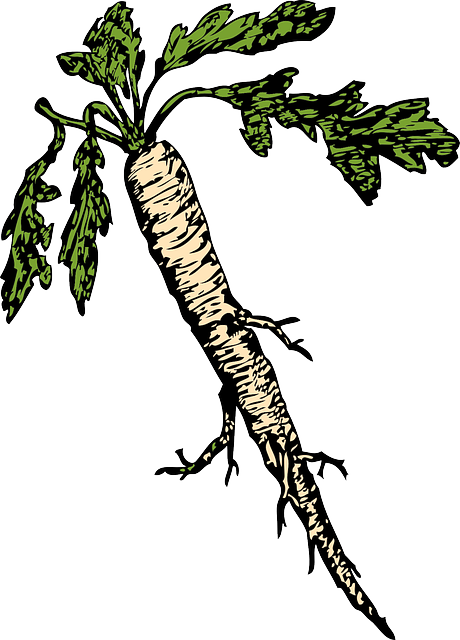
Horseradish, Armoracia rusticana, is easily grown from root cuttings. You can find horseradish plants in local garden centers, farmers’ markets, feed and seed stores. You even buy plant the horseradish roots from your local food store (best if fresh and showing part of the “crown”).
Roots can also be procured on-line.
What is a Root Crown?
A root crown, also known as the root collar or root neck, is that part of a root system from which a stem arises. Since roots and stems have quite different vascular anatomies, major vascular changes take place at this point.
Root-crown temperature has been found to affect plant growth and physiology in a number of ways.[1] Root crowns need to be exposed and ‘breathe’; this is one way that some plants take in oxygen.
~SOURCE: Wikipedia.com

Horseradish is Easy to Grow
Some would claim horseradish grows too well. In our small garden, one small plant grew robustly sending out roots in all directions. New plants sprouted up everywhere.

Horseradish is Invasive
Yes, horseradish is an invasive tenacious plant, so it’s best to reserve an isolated spot or a pot than to “mix in” with other crops. Horseradish doesn’t play nice with other veggies. That’s why we’re now growing horseradish in a container.
Chances are you’ll have your own horseradish patch, forever. They grow well in many soil conditions, but will thrive in loose rich sandy soil. Nearly neutral pH (6.0-7.0) is ideal. Spring planting is optimal. [6]https://www.motherearthnews.com/organic-gardening/vegetables/growing-horseradish-zw0z1401zsto
Horseradish is a Perennial Plant that’s Edible and Medicinal
🍃SOIL: Any, but prefers loose loamy with neutral pH
🍃PLANT: Roots with crowns in spring or fall, 2″ below soil level, leaning diagonally
🍃SIZE: Large upright plant:
⬆︎ height-3-4′ feet
⬌ spread 2+ feet (if roots send up shoots)
🍃LEAF: Simple elongated wavy and some lobed
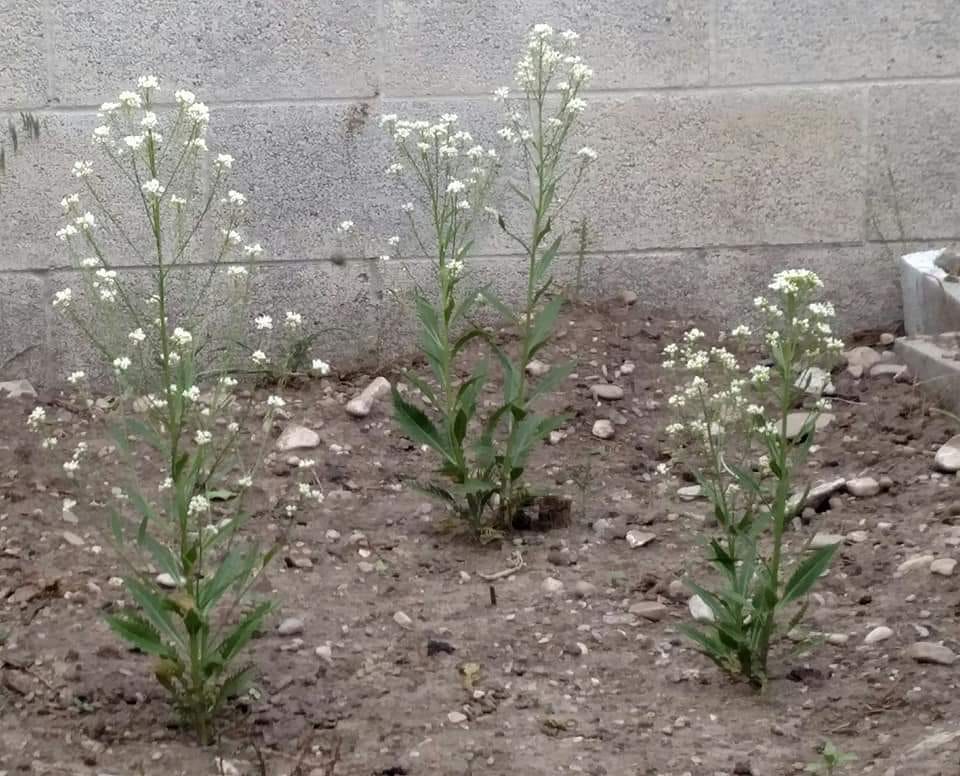
🍃FLOWERS: Small white flowers on a tall raceme
🍃GROWTH: Perennial easy, rapid grower, invasive
🍃ZONE: Hardy down to -25℉ (growing zones 2-9)
🍃SUN: – Full sun to partial shade
🍃HARVEST:
🌱Leaves plucked sparsely throughout growing season
🌱 Flowers plucked before going to seed
🌱Roots at one year:
🍁Plant in autumn, harvest in autumn after frost kills leaves
🌻Plant in spring, harvest in spring, early before leaf growth
Reference: WImasterGardener.org

Harvesting Horseradish
How to Harvest Horseradish
LEAVES:
- Snip some horseradish leaves during growing season to eat
ROOTS:
- Dig carefully to avoid damaging the large roots
- Harvested the main root, replant offshoots
- Year-old roots have the most flavor
- Older roots are too fibrous, but can be used for starter plants
Reference: WImasterGardener.org
Storing Horseradish
Store horseradish roots in cool, dark, humid location, such as plastic bag in fridge, or root cellar.
How to Prepare Horseradish Roots
- Clean them well
- Peel off the outer layer
- Cut into chunks
- Coarsely grate in food processor with a 50-50 mixture of water and 5% distilled vinegar
- Blend together to the desired consistency.
- Add vinegar to stabilize pungency and stop breakdown of enzymatic activity*:
- immediate for milder horseradish
- after 3 minutes for hotter horseradish
HORSERADISH RECIPE:
- 3 Tbsp vinegar (distilled is recommended; we use ACV for the added health benefits, though it will color your horseradish darker).
- 1/2 tsp salt (we use Celtic salt for added minerals)
- 1 cup grated or crushed horseradish
Store the mixture in a tightly sealed glass jar. It will keep in the refrigerator for 4 to 6 weeks.
*Horseradish begins to lose flavor while increasing in hotness within 30 minutes after grating the fresh horseradish root.
HORSERADISH PREPARATION TIPS:
- Coarser grind is less hot; finely ground is hotter.
- Add vinegar immediately for milder relish; wait 3 minutes for hotter.
- Salt, sugar and/or lemon juice can be added to the ground roots.
- Processed horseradish can be refrigerated for 4-6 weeks or frozen for longer periods.
Reference: WImasterGardener.com
Here’s a simple but potent Horseradish ACB Master Tonic recipe. You’ll also find several wonderfully potent fire cider recipes, which are basically the same health benefit as the master tonic.
Horseradish Benefits
Horseradish, a nutrient and mineral dense perennial vegetable in the brassicas family and a close relative of wasabi. Considered a healing food dating back more than 2,000 years to Hippocrates, horseradish is a curative and preventative for disease and illness.
~Source: Dr Cowans Garden; Mercola.com
Horseradish Nutritional Information
HORSERADISH IS HIGH IN:
- Dietary fiber
- Vitamin C
- Folate
- Potassium
- Calcium
- Magnesium
- Zinc
- Manganese
- Glucosinolate (sinigrin)
18 Horseradish Benefits
- Inhibits cancer[7]2005 study by Marvin J. Weil, including:
- Lung cancer
- Breast cancer
- Colon cancer[8]https://www.ncbi.nlm.nih.gov/pubmed/15231456
- Bladder cancer
- Powerful antioxidant
- Boosts immunity
- Relieve sinus
- Expectorant
- Respiratory relive
- Fights colds
- Natural analgesic
- Antibiotic
- Antifungal
- Headache relief
- Analgesic
- Improves digestion
- Boosts metabolism
- Urinary tract infections
- Skin disorders & blemishes
- Intestinal parasites
- Gallbladder disorders
Isothiocyanate and Sinigrin in the Brassicaceae family are some of the potent beneficial medicinal components of horseradish. These chemicals are potent antioxidants that strengthen the immune system and stimulate the activity and production of white blood cells.[9]https://www.ncbi.nlm.nih.gov/pubmed/27043505

Horseradish is a common ingredient in fire cider.
“Ounce for ounce, horseradish contains more medicinally active compounds than most other spices.”
~Mother Earth News
Horseradish Medicinal Uses
HORSERADISH PARTS USED:
- Roots
- tea for expectorant
- poultice for joint pain
- Leaves
- natural analgesic
- Flowers
- tea – dried; good for common cold
CONCOCTIONS:
- Roots-
- tea
- poultice
- Leaves –
- raw, applied directly
- Flowers-
- Tea
- Infusions
Reference: LifeExtension.com
For some horseradish recipes and 109 things to do with horseradish visit the awesome MeghanTelpner.com, and also Horseradish.org
After horseradish plants reach 8 inches in height, remove any suckers to ensure a thicker, straighter root.
~AdviceFromTheHerbLady.com

Horseradish Leaves Uses
Horseradish leaves naturally have a tart flavor remiscent of sorrel, though milder. The older leaves have a little more bite to let you know that they’re still in the mustard family. Toss a few horseradish leaves into a salad mix to add a tangy and tart zing to any dish, raw or cooked.
We recommend you start slowly and experiment with adding a few here and there. Discover how you like them best and in what kind of dishes and ratios.
USE HORSERADISH LEAVES FOR:
- Salads
- Rolled – like cabbage rolls, filled with meat and other stuffings, rolled up and set in a baking dish to bake
- Add tang to steamed greens
- Thai stir fry and curries, chopped – use as you would lemon grass
- Chopped and add to soups
- Pesto pureed with other favorite pesto greens
- Smoothies
- Green juice
Reference: DancingInYourSoulShoes.com

What to do with Horseradish Flowers?
Horseradish flowers are edible and can be added to:
- Pickling – add to your favorite pickled veggies, cucumbers, peppers, okra, etc.
- Salads – top salad for decor and gourmet flavor
- Tea – dried for herbal tea to relieve cold and flu symptoms
From the GardensAll Community
Jo Hooton asks:
We are growing it for our first time. Do I cut off the flowers?
GardensAll:
You can leave the flowers, or you can use them. E.g.
– Dried or fresh flowers for tea beneficial for colds
– Fresh in salads and soup toppings
If however, you don’t care to eat them, you can leave them for the pollinators. Some say to snip them before they go to seed. Others say the seeds won’t amount to anything, so not worth it.
We haven’t done anything in the past. This year we’ll harvest the flowers to try fresh and dried.
Let us know your favorite ways to enjoy horseradish roots, leaves and/or flowers and we’ll share it here with tribute to you.
Let’s grow some horseradish!

I’m LeAura Alderson, a garden, herb and plant enthusiast with a passion for discovering the many edible and medicinal benefits of the plants all around us, including the weeds, while transforming the land through regenerative permaculture practice. I am also a writer, editor and media publisher (now mostly retired due to replacement by AI), but which now allows more time to build our regenerative permaculture homestead farm.
References