
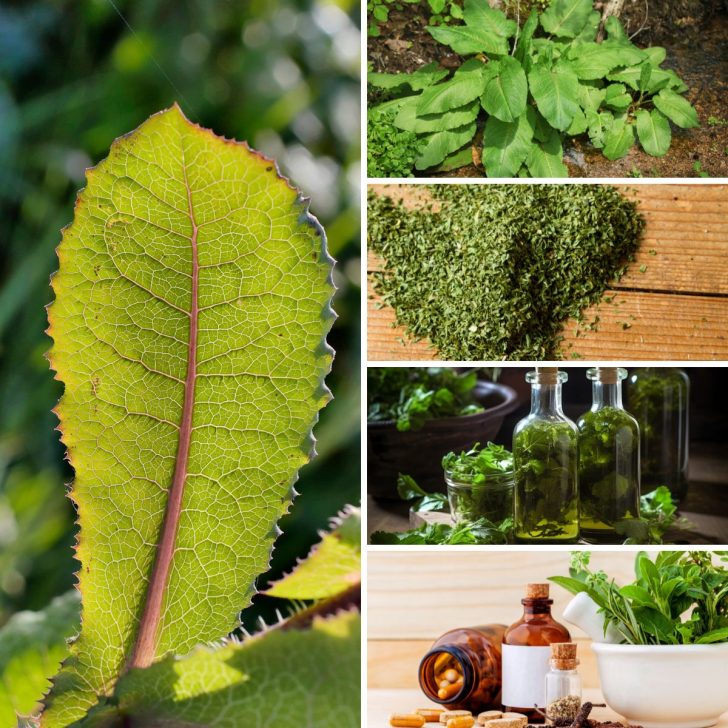
Wild lettuce (Lactuca spp.) is a plant native to Europe and parts of Asia, historically used in folk medicine. There are a handful of wild lettuce benefits and methods of application. The plant can be consumed in various forms, including tinctures, dried leaves for teas or smoking, and encapsulated supplements.
Unfortunately, scientific studies validating traditional uses are scant, and some are repeating the same singular report of toxicity. For example, 8 people traveling together in Iran were said to all have ingested unusually large quantities of Lactuca virosa, and to have ended up in the hospital with varying symptoms and degrees of aid needed. All survived however, and no other toxicity incidents have been found as reported.[1]https://www.researchgate.net/publication/51232347_Wild_lettuce_Lactuca_virosa_toxicity
However, neither have we discovered more scientific studies validating the traditional cultural claims. That said, here are some of the wild lettuce benefits used across a number of native cultures.
Ethnobotanical Wild Lettuce Benefits
Here’s an alphabetical list of some historical ethnobotanical uses of wild lettuce with some further elaborated below that. This means that while these are examples of traditional uses of wild lettuce, the scientific proof is typically not available.[2]https://www.webmd.com/vitamins/ai/ingredientmono-342/wild-lettuce
- Anxiety relief
- Arterial health / atherosclerosis (hardening of the arteries)
- Asthma / respiratory issues
- Bactericide / germicide (when latex is applied to skin)
- Calming / relaxant
- Cough / whooping cough
- Digestive health
- Diuretic
- Insomnia / sleep aid
- Menstrual pain
- Migraines
- Pain relief
- Sexual disorders
- Urinary tract problems
Anxiety Relief
Wild lettuce has been used historically to alleviate symptoms of anxiety. Its potential sedative properties may help induce relaxation and reduce feelings of anxiousness. For these conditions, wild lettuce is often consumed in the form of a tincture, which is believed to offer quicker absorption. While there is a history of use for this purpose, more scientific research is required to substantiate these claims.
Digestive Health
Individuals have traditionally used wild lettuce to support digestive health. It is thought to help with conditions such as indigestion, excess gas, and bloating. The plant is typically utilized in the form of capsules or tinctures for these digestive issues.
Diuretic
Wild lettuce has been used traditionally as a diuretic, meaning it can help the body eliminate excess fluid. This might help with conditions such as bloating and water retention. This property is typically accessed through the consumption of a wild lettuce tea or tincture.
Migraines
Anecdotal reports suggest that wild lettuce might help reduce the frequency and intensity of migraines. The plant is typically used in capsule form for this purpose, but scientific studies are needed to confirm these claims.
Pain Relief
The potential painkilling properties of wild lettuce are its most commonly attributed benefits. This plant has been historically employed for conditions causing pain, such as arthritis, menstrual cramps, headaches, and muscle or joint pain.
The plant’s lactucarium content, which is a milky substance, is said to have similar pain-relieving effects to opium but without the addictive properties. Pain relief is typically sought through tinctures or capsules of wild lettuce. However, strong scientific evidence supporting these claims is currently lacking.
Respiratory Conditions
Wild lettuce has been used in traditional medicine to alleviate coughs and symptoms of asthma. It is believed that the lactucarium in the plant acts as an expectorant and reduces inflammation in the airways, promoting easier breathing. For respiratory conditions, wild lettuce is often consumed as a tea or used in a vaporizer.
Vaporizer
Vaporizing wild lettuce typically involves using dried leaves. It is a more direct method of getting the active compounds into the system and can be particularly useful for those suffering from respiratory conditions.
First, ensure that the wild lettuce leaves are completely dry. Fresh leaves contain a lot of moisture and won’t vaporize properly. Then follow these steps.
How to Vaporize Wild Lettuce Leaves:
- Crumble dried leaves into small pieces that can fit into your vaporizer.
- Place the dried leaves into the vaporizer’s chamber. The amount you need will depend on the specific vaporizer, so consult the user manual for guidance.
- Heat the vaporizer to the recommended temperature. This is typically around 375-400°F (190-204°C), but check your vaporizer’s instructions to be sure.
- Inhale the heated vapor according to manufacturer’s directions.
Remember, wild lettuce can have potent effects, so start with a small amount and see how your body reacts before increasing the dosage. As always, consult with a healthcare provider before starting any new herbal treatment.
Sleep Aid
Wild lettuce has also been employed as a sleep aid due to its potential sedative properties. It’s commonly used for relaxation and to treat conditions such as insomnia. For these conditions, wild lettuce is often consumed as a tea made from dried leaves or as a tincture for quicker absorption.
In all uses of wild lettuce, remember that it’s important to start carefully and to consult with a healthcare provider as needed before starting any new herbal treatment. Wild lettuce has potential side effects such as nausea, vomiting, anxiety, and an increased heart rate, especially when consumed in large quantities. Always adhere to recommended dosages and consider potential interactions with other medications.
Additional Ethnobotanical Uses for Wild Lettuce
Wild Lettuce Medicinal Forms
- Dried leaves for tea or smoking
- Powdered in capsules
- Tinctures
Trust but Verify
We value age old wisdom. Often, it is based on eons of tried and true results. However, we also value confirmation through quality modern scientific validation. The absence of science doesn’t negate the potential truth of centuries of observation through use. However, especially when it comes to your health and wellbeing, a multifaceted approach and awareness is helpful.
It’s important to consult with a qualified healthcare professional before using wild lettuce leaf tincture or any herbal remedy. This is especially important if you have any allergies to latex, any underlying health conditions, are taking medications, or are pregnant or breastfeeding.
See more on edible wild lettuce varieties here.

I’m LeAura Alderson, a garden, herb and plant enthusiast with a passion for discovering the many edible and medicinal benefits of the plants all around us, including the weeds, while transforming the land through regenerative permaculture practice. I am also a writer, editor and media publisher (now mostly retired due to replacement by AI), but which now allows more time to build our regenerative permaculture homestead farm.
References