
When it comes to okra, it’s a polarizing vegetable the many either love or hate. First, okra haters probably won’t be reading this article on okra anyway. That’s not likely you, or you wouldn’t be visiting an article titled ‘When to Plant Okra Seed’ anyway!
We’re mentioning that fact up front here because everytime we post anything about okra on social channels, it always elicit impassioned responses, both from those who love it, and from those who hate it!
When it comes to okra, it’s rarely lukewarm. People either love it or hate it!
Usually, those who hate it, never had it cooked in the best way. But there are definitely easy ways to avoid the okra slime that so many detest.
However, many of the okra haters simply refused to ever try it again. So if that’s you or your friends or loved ones, there may still be hope for growing okra in your garden which we cover in this article on how to grow okra.
But first, we’re going to get straight to the point on when to plant okra seed.
Okra Seeds and Transplants
Okra seed germination commences best in soil that is between 65-70°Fahrenheit / 18-21°Celsius. This ideal temperature isn’t just for when to plant okra seed. This is the best temperature range to maintain, whether sowing okra seeds for growing transplants, or sowing okra seed directly into the soil.
When to Plant Okra Seed in the South
Southern gardeners have the advantage of a longer growing season and can often get their seeds sown and transplants planted in May or June depending on their average local last and first frost dates. Gardeners may use black plastic mulches, frost covers, plastic tunnels, cloches, and such in order to accelerate and maintain the soil temperature.
We put our laser temperature gun to great use in spring to help us ensure that our plants stay within their comfort zone.
When to Plant Okra Seed in the North
Growers to the north will naturally have a more restricted window for when to sow okra seed. That’s why okra has tended to be a southern crop. However, northern gardeners can still grow okra, but you’ll just need to start earlier by growing starting seeds indoors, or buying seedlings to transplant.
When it’s time to plant okra seed or seedlings directly in the garden, you may need to warm up the soil. You can use black plastic mulches, frost covers, and row covers or cloches to maintain the soil temperature and extend the growing season.
Clyde’s Garden Planner is an amazing little slide rule type garden planner that helps determine the best time to start transplants indoors. This handy non-tech gadget indicates the date of the first planting, and the last outdoor planting date.
You can read more about our favorite garden planner here.
You can search your frost dates via zip code thanks to The National Gardening Association. Do keep in mind that these dates are averages and thus more useful as guidelines rather than absolute timings.
How to Plant Okra Seed
Okra Seed Germination
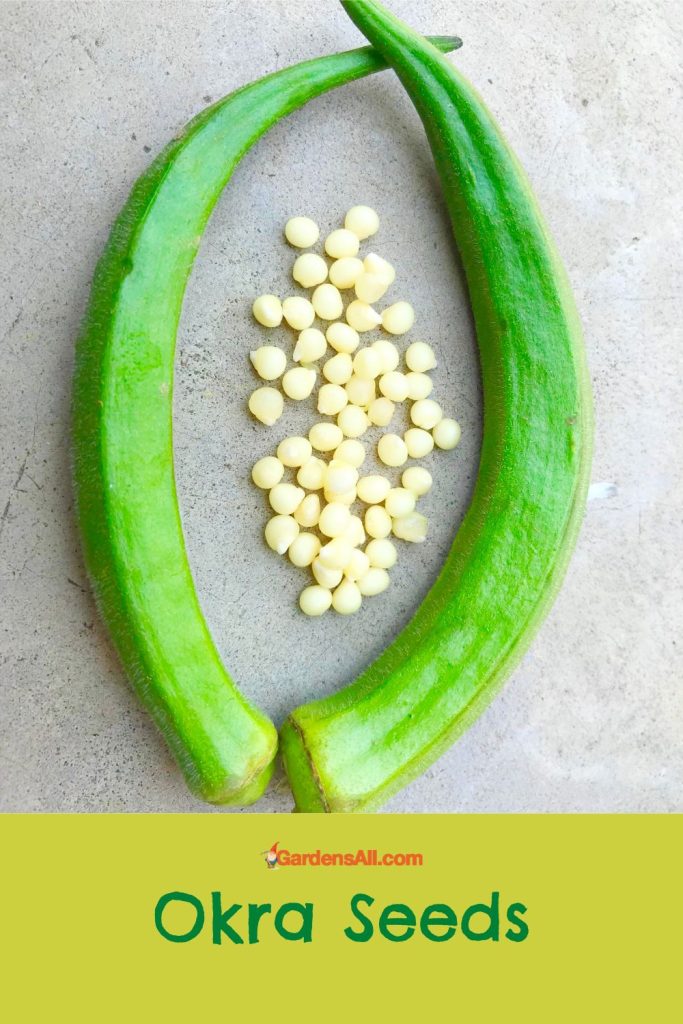
Okra seeds have a hard coating so it’s best to soften or thin the coating before planting. Numerous methods for preparing okra seed include:
- Scarification- rubbing the seed against an abrasive surface like a fingernail file or sandpaper
- Overnight soak in warm water
- Germinating okra seeds in a damp paper towel sealed in a zipper bag at 65°-70° over a couple days.
Planting Okra Seeds – the Simple Key to Success
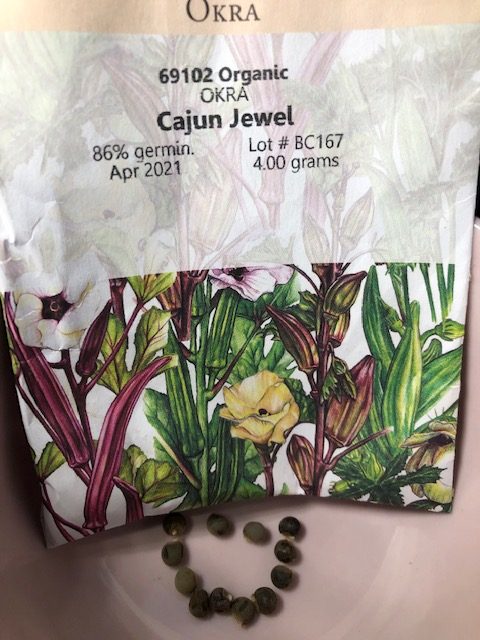
The mechanics of planting okra seeds are straightforward. The same goes for planting transplants.
The key to successful okra seed planting is warm soil at 65-70°F.
Okra transplants will produce pods earlier due to their head start on the growing season. However, studies have shown that direct seeded okra is more stout and wind resistant compared to transplants, so there’s a trade off between faster or stouter growing okra plants.
Okra Soil pH
Planting okra in soil with a pH of 6.0-7.0, amended with rich organic matter is ideal. If you’re not sure of your soil’s health, you can do a soil test.
Cover Crops Help Enrich Soil
Cover crops sown after fall harvest and tilled in the following spring invigorate the soil for late spring planting. Okra plants tend to grow well with only a slight amount of fertilizer, such as compost tea.
Planting Okra Spacing
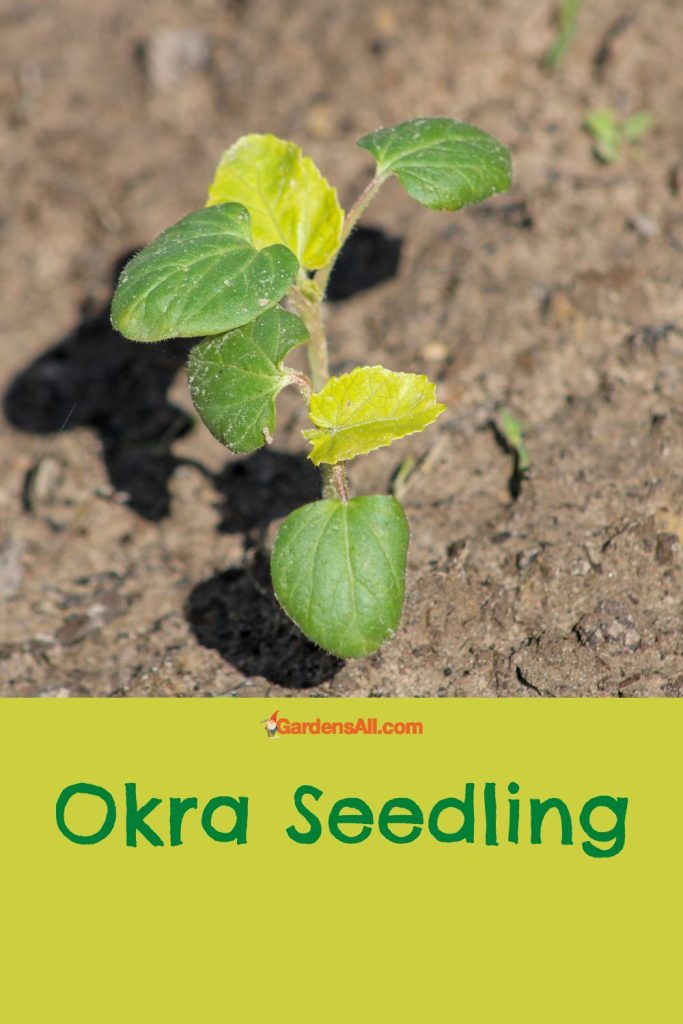
Spacing will depend on the varieties of okra. Some varieties, like “Heavy Hitter“, branch widely. The average recommended okra spacing is 12″-18″ apart per row and 18″ inches between rows. Planting depth for seeds is 1/2″-1”. Transplants go in up to their first leaf set. Of course, you may follow the seed packet recommendations as well.
Here you can find more on how to grow okra (including how to help okra haters learn to like it), and info on growing okra in pots.
References
- CANR.MSU.edu[1]https://www.canr.msu.edu/resources/how_to_grow_okra
- The Whole Okra by Chris Smith – we never imagined being so entertained and enchanted by an entire book on okra!!! We loved the audio version, narrated by the author, however, we ended up with the Kindle version too for things we wanted to reference and study or remember, as well as for okra recipes to try.


G. Coleman Alderson is an entrepreneur, land manager, investor, gardener, and author of the novel, Mountain Whispers: Days Without Sun. Coleman holds an MS from Penn State where his thesis centered on horticulture, park planning, design, and maintenance. He’s a member of the Phi Kappa Phi Honor Society and a licensed building contractor for 27 years. “But nothing surpasses my 40 years of lessons from the field and garden. And in the garden, as in life, it’s always interesting because those lessons never end!” Coleman Alderson
References