
Popeye Should’ve Eaten Kale!
If you aren’t already growing kale, try it! Not only is kale beautiful, delicious and nutritious, it can also be decorative. Ornamental kale is a beautiful addition to HOA restricted edible landscapes as well.
There are many different types of kale and its close cousin, the cabbage. Ornamental kale and ornamental cabbage make great edible landscape plants, retaining their showy beauty during much of the growing season.
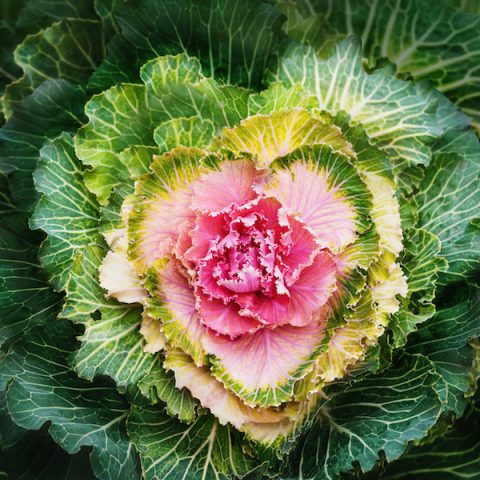
All ornamental cabbage is actually kale, so if you were wondering about the cover photo, then yes it is kale and not cabbage.
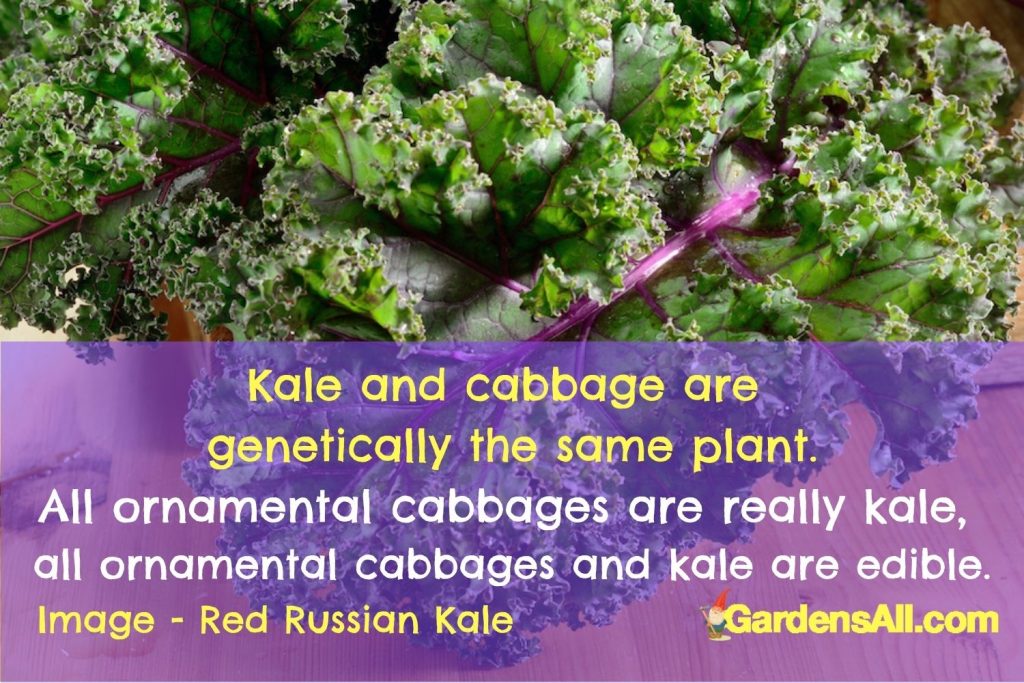
Kale and cabbage (whether ornamental or not) are genetically the same plant. The only difference is cabbages make heads, and kales do not. All “ornamental” cabbages and kales are really kale, since they do not form heads.[1]https://www.walterreeves.com/landscaping/ornamental-kaleornamental-cabbage/
Kale and cabbage are genetically the same plant.
All ornamental cabbages are really kale, and all ornamental cabbages and kale are edible.
GROWING KALE
Quick Tips for Growing Kale
- Kale can grow during any season in most climates.
- Flavor changes depending on weather, soil and kale variety.
- Tolerates temps from 20-80°F, but can become bitter at higher temps.
- Grow in partial shade in higher temp locations for best results.
- When growing from seed allow six weeks from seed to seedling relocation.
SOURCE: GentleWorld.org[2]https://gentleworld.org/author/meadow/
Kale is a hardy crop but prefers temps above 20°F and below 80°F.

To Grow Kale in the Garden
Sow seeds directly in the garden starting 2 to 4 weeks before the last frost date or as soon as the ground can be worked in the springtime.
- Before planting, distribute a generous amount of seasoned organic fertilizer and work it into the soil.
OR, - If using mulch to fertilize, simply place it around the plants after they are in the ground.
Kale is usually grown as an annual, however it’s actually a hardy biennial in the right climate, that takes two years to complete its cycle.
- Plant in partial shade in warmer months
- Grow kale in full sun during colder months
- Keep kale well watered and soil moist
- Fortify kale with organic compost, plant food, fertilizer or compost tea
Growing Kale from Seed
Planting Kale Seeds
- Start seeds indoors 6 weeks before time to plant in the garden ~4 weeks before the last frost
- Plant kale seeds ½” deep and approximately 3 inches apart
- Thin plants to 8-12 inches apart when at 4 to 5 inches tall.)
- Use grow lights if no available sunny window
Growing Kale in Pots
- Sow seeds ½” deep in middle of medium pot, allowing a minimum of 6 sq. in.
- Plant in a mix of soil and organic fertilizers or compost
- Keep the soil around the seedling evenly moist but not soaked.
- Place in partial shade during higher temperatures and full sun in cooler temps

Companion Plants for Kale
Plant Kale With These Plants:
- Beets
- Celery
- Herbs
- Onions
- Potatoes
Do NOT Plant Kale Near These Plants:
- Beans
- Strawberries
- Tomatoes
Planting Kale Starts
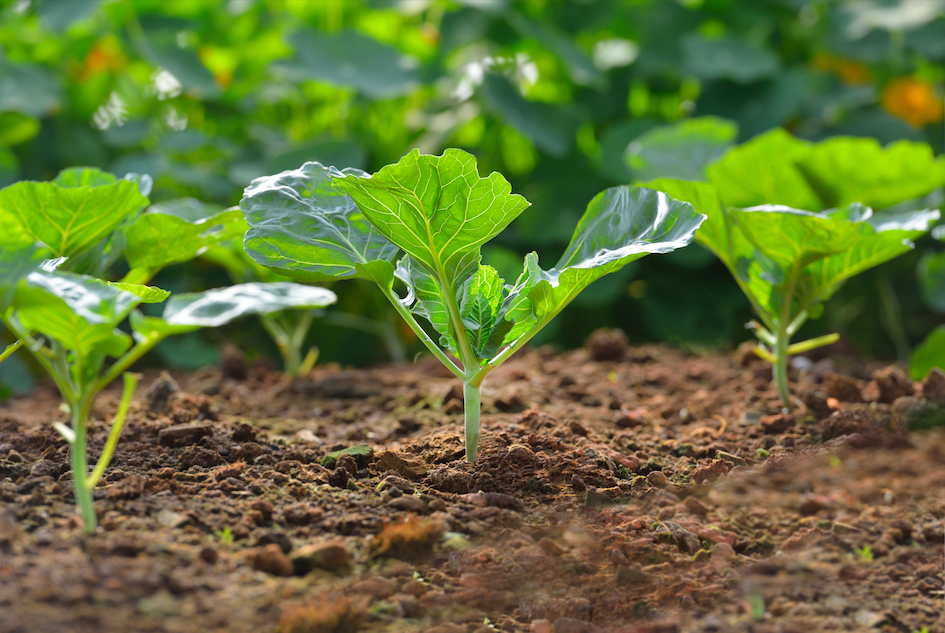
If you’re planting from starts (that you started 4-6 weeks ago (or purchased), put them in the ground 1-2 weeks before the last expected frost date if they’re big enough to survive the weather.
Kale Start Size
- WHEN: Plant when kale starts have at least four true leaves and the next two leaves are beginning to form
- HEIGHT: The plant is approximately 3-4 inches tall
- DISTANCE: Plant seedlings 8-12″ apart in rows 18 inches to 24 inches apart.
Best Soil for Kale
- Kale likes loamy, well-drained, moist (but not soggy) soil of average fertility
- Best soil pH between 5.5 – 6.8.
- Add wood ash to acidic soil to sweeten it
- Light sandy soils and very heavy clay soils can “negatively” affect the flavor of kale
Best Soil Temps for Kale
- Seeds will germinate in cool soil at least 40℉
- best sprouting temp is around 70 degrees.
- Sow seeds inside 5-7 weeks before last expected frost.
- Direct sow seeds outside:
- 2-4 weeks before last frost
- at least 10 weeks before the first frost of the next season
GROWING KALE:
Hotter weather makes kale more bitter and tough, though it’s still edible and nutritious. A shade cloth covering or planting where partial shade naturally occurs can moderate heat effects.
How Much Kale to Plant
For regular kale consumption, you’ll need 3-4 plants per household member. It is also always a good idea to plant more seeds or buy more starts than you think you’ll need in case some of them don’t make it.
Fertilizer for Kale
Follow the directions for whatever fertilizer you’re using. With compost and mulches, you’ll want to go a couple inches deep, while other amendments like seaweed powder or rock dust only require a good sprinkle.
First Leaves – Cotyledons
When a seed first emerges from the soil it has a set of two leaves called cotyledons.[3]https://groweat.blogspot.com/2010/05/cotyledons-and-cattle-panels.html These are actually the outer husk of the seed and do not conduct photosynthesis, and instead, become the seed’s first food source.
As the seedling grows, becoming stronger and healthier, it forms two more leaves which look very different from the cotyledons. These are the first “true leaves” which look more like the plant’s adult leaves, but obviously smaller. Once the true leaves emerge, the plant is able to use them to photosynthesize and the cotyledons become unnecessary and eventually wither and fall off.

Kale Care
Water
Keep your plants well watered. Along with cool temperatures, keeping the soil most will help keep the leaves sweet and crisp.
Fertilizer, Compost and Mulch
Fertilizing along the rows—called side dressing—every 6-8 weeks with compost throughout the growing season will help keep your kale producing.
We use Milorganite fertilizer, organic compost and also compost tea.