

Natural Remedies… Farmacopoeia… Plants Before Pills.
There’s lots of turbulence in and around big pharma today. Modern medicine can be a lifesaver, so this article on homegrown remedies is NOT an anti-pharma rant. Rather, it’s about focusing on prevention and utilization of the pharmacopoeia (“farmacopoeia”) of healing plants provided by nature first, whenever possible.
In our family we’ve always been interested in medicinal plants and healing through healthy foods first. We always head to the homegrown inexpensive remedies first, before popping prescription or over-the-counter (OTC) pills from bottles, unless it’s a supplement or herbal capsule.
DISCLAIMER: We’re sharing with you, as “virtual neighbors and friends”, from the experience of our own usage as well as research we’ve studied, including traditional medicines and uses by our ancestors and indigenous cultures. We are NOT health professionals, so please use your own discretion as well as that of your trusted health professionals.
Plants before pills… roots and leaves for ills.
“Let thy food be thy medicine, and thy medicine be they food.”
~Hippocrates, ancient Greek doctor, philosopher, c.460 bce-375 bce
Yard Food
This—and every—spring, we enjoy salads that include edible weeds with purple flowers such as wild violets – leaves and flowers, dandelion leaves and blossoms, plus a sprinkling of edible weeds like chickweed.
Not only do these plant treasures make for an exotic gourmet salad, especially if sprinkled with a few of the edible flowers, they also pack a powerful nutritional punch. Sometimes we’ll add in wild chives along with a handful of edible leaves from the yard and garden.
Plants – Friends With Benefits
We know you fellow gardeners and plant lovers look upon your plants fondly, and often as friends and — like friends — as blessings. We do too!
38 years ago, I bought my first healing herbs book. I have several now, including digital books on Kindle, hardcover and paperback that are all well worn and yellowed. I’ve always loved the concept of foraging for food and medicine and making our own salves, teas and homegrown remedies.
I can’t meet a new plant without wondering what nutritional and/or medicinal treasures it may hold, because so often they do. I love how there’s so much we can do to take control of our own health and wellness. Further, that there are so many homegrown remedies as close as our yards and kitchens that we can grow and forage.
And it just makes senses for medicinal plants have been around eons longer than pharmaceuticals. Now, it’s encouraging to see so many more people taking an interest in learning how to use plants for health and medicine.
RELATED: Edible ground covers
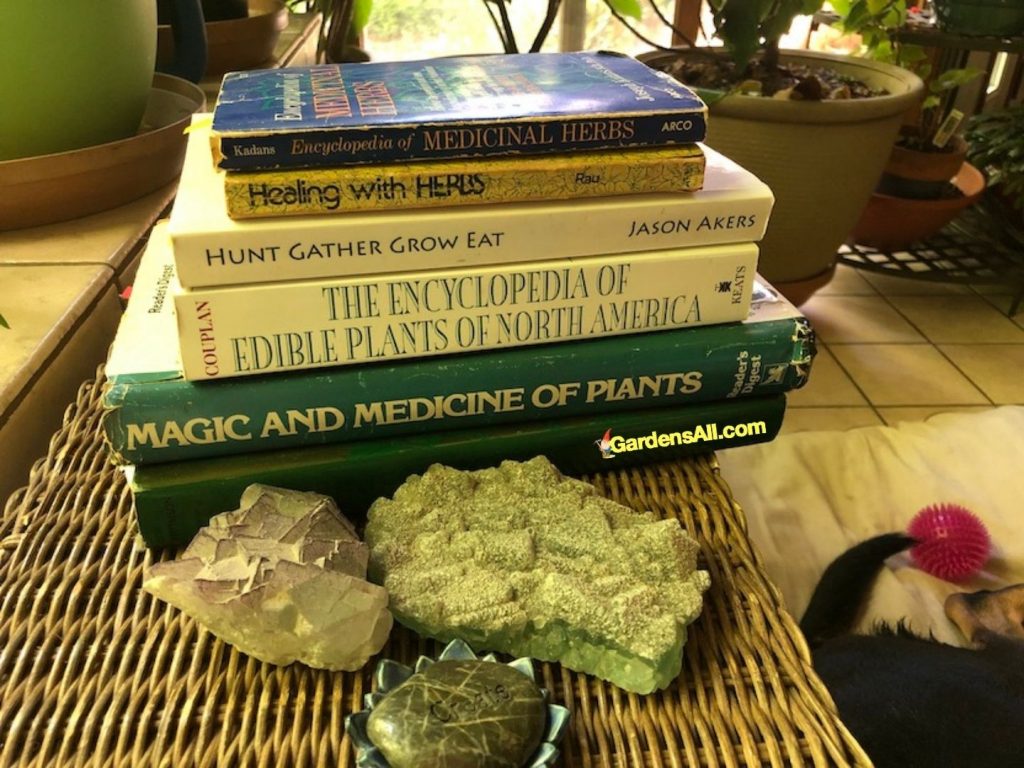
A Wealth of Health Growing in the Yard and Garden
We’re grateful daily for the abundance of free information at our fingertips from the world wide web, plus so many books and teachers readily sharing their knowledge online. Most of us have ready access to the entire set of encyclopedias, dictionaries, reference books and teachers in our pockets, rendering memorization moot. In fact, best not to congest our busy brains with unnecessary facts until we need them!
Of course, the very best way to learn and remember, is to do. When it comes to plants and homegrown remedies, it can be overwhelming to know where to start. There’s such vast abundance of medicinal plants, most with multiple benefits and uses for a plethora of ailments.
But consider the value of learning about just one new plant weekly, or one new thing about a plant we already know and grow. In a year’s time we will know around 50 new plants and bits of information, including how to put them to use in homegrown remedies.
So as I’m updating this article I’m sipping a cup of homegrown tea. This blend has a number of favorite dried herbs, including longevity spinach (gynura), blueberry leaves, lemon balm, and avocado leaves and topped off with a rosehip from our rugosa rose bush, and sweetened with homegrown stevia.
Each one of these plants’ leaves have nutritional and medicinal benefits. And they’re all from our yard and garden. We love how nature provides a wealth of health in the plants all around us, both those planted and those that volunteer to grow, such as the many beneficial weeds.
RELATED: Best dehydrators and methods for drying herbs.
Hands on Learning
I’ve learned most from as-needed usage. For me, the best learning comes from research, study and application of what is needed, when it is needed.
All the more reason that I’m grateful for ready access to learning from those who’ve devoted their lives to healing herbs and plant lore. When I first started the journey into homegrown remedies 38 years ago, there were a few books available. Today, there are many books, courses and free articles and videos from herbalists sharing their knowledge with the world.
Thank goodness for ready access to the world wide web, available for searching what we need, when we need it, 24/7! And of course… as in the garden, we have to weed out the bad weeds online and focus on the good. Some of it is useful wisdom and some of it is just weeds we don’t need! 😎
You may enjoy this article on Backyard Edible Weeds.
“When it comes to weeds… check before you chuck and investigate before you terminate.
Those plants may just hold hidden treasures that you need.”
~Coleman Alderson, co-owner-GardensAll.com
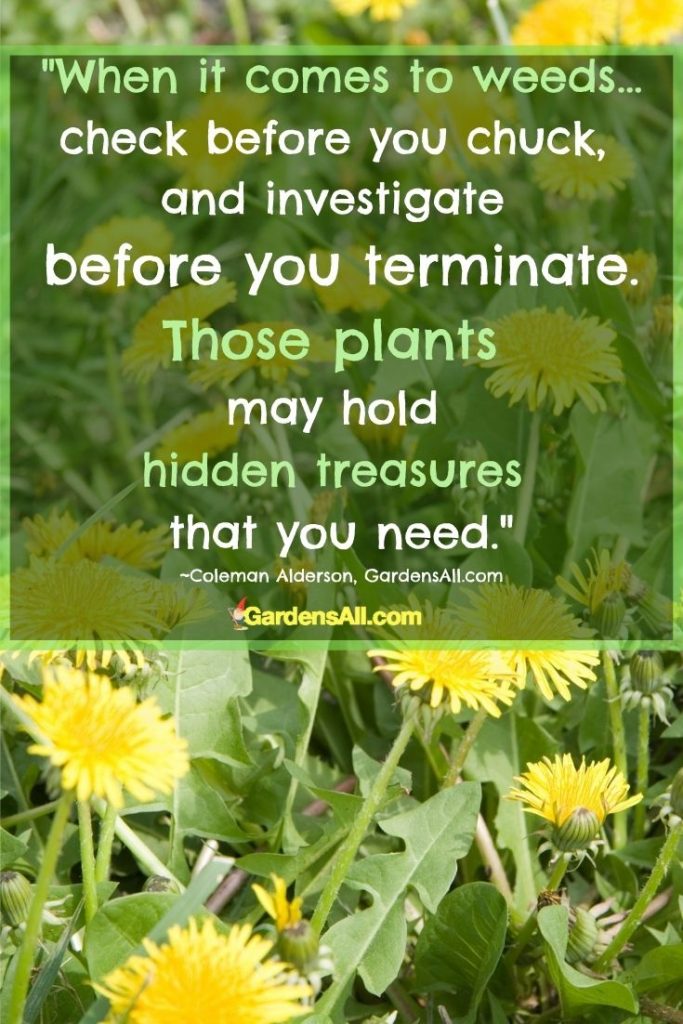
Growing Health and Wellness
Each year we’re steadily increasing the number of medicinal plants and herbs that we’re growing and making use of. The year of this update, (2022) it’s avocado leaves and strawberry leaves. Last year it was gynura, lemon balm and calendula, which are wonderfully healing for skin irritations and minor abrasions in the form of calendula oil, cream and calendula salve.
Though for convenience we also make good use of some of the many really good herbal remedies increasingly more available on the market today. If you’re short on space or time to grow and make your own, there are many really great remedies readily available, so that’s where we’ll start.
Preventive medicine isn’t part of a physician’s everyday routine, which is spent dispensing drugs and performing surgery.
~Deepak Chopra, MD, holistic health advocate, author, teacher, b.10/22/1946
Before You Grow Your Own, Try Pre-Blended Remedies First. Here’s Why:
Even if you can grow your own, if you’re just getting started at making your own herbal concoctions for homegrown remedies, we recommend buying some pre-made remedies first.
A great time to do this is in winter, when most of us can’t be out gardening as much (or at all), but we have time to experiment and plan. That way you can discover and decide which herbal blends work best for you, before going to the trouble of buying seed, growing, harvesting, dehydrating and blending them!
You can also gather ideas from pre-made herbal blends and concoctions by examining the ingredients labels. As you find a blend you like you can grow the herbs based on the ingredients label.
Sure, you won’t have the exact recipe for proportions, but based on the order of ingredients in the list, you have an idea of the prominent herbs. Then you can find online specific recipes online to which you can adjust to your preferences.

Toward that, here is our go-to mouthwash and mouth rinse, recommended by our dentist, and verified by us over years of use. We’ve resolved many a sore tooth and sore gums situation, by using this mouth tonic. It’s all the better because it’s a natural herbal remedy!
RELATED: This may also help you to determine which plants to grow.
Here’s what the Dental Herb Company has to say about their Herbal Tooth Tonic, which is an essential in our household:

Herbal Tooth Tonic
Reducing Oral Bacteria
“The pure essential oils in Dental Herb Company products are powerful antimicrobials, providing maximum potency and long-lasting effectiveness to combat the harmful oral bacteria that lead to halitosis and periodontal disease.“
Promoting Gingival Healing
“Dental Herb Company products contain gotu kola and Echinacea – two powerful anti-inflammatory herbs shown to stimulate healing and repair damaged tissue. The pure essential oils of lavender and eucalyptus, well known for their soothing and healing properties, are key elements in the formulae.”[1]https://www.dentalherb.com/
So, to keep on hand for dental ailments, try Dental Tooth Tonic or make your own by growing your own herbs for this. It takes a lot of plants to make even a little bit of essential oils, however, whatever he