
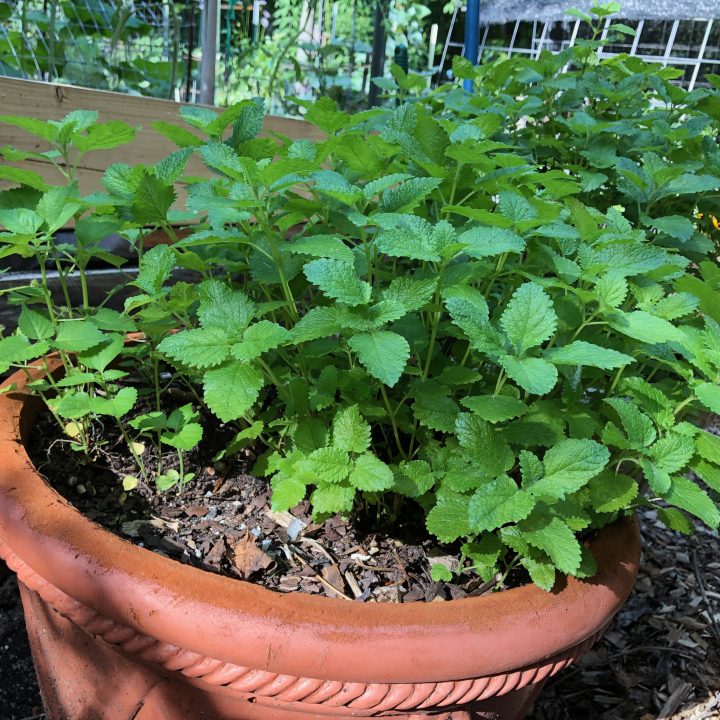
Mint plants are members of the Lamiaceae family and the Mentha, genus of approximately 25 species. Growing mint is easy growing and relatively carefree and can even be invasive, especially if left on its own to grow and spread in the ground.
Mint plants are widespread and popular in cultures around the globe, from Eurasia, southern Africa, and Australia, much of Europe and the Mediterranean as well as North America. From use in teas to medicinal remedies to candies, gum, beverages and recipes, mint’s usefulness is expansive.
This is such an important that we’ve created a comprehensive guide to this useful herb here.
This Growing Article Covers
- How to grow mint in an herb garden
- Growing mint indoors
- Growing mint from seed
- Benefits of buying mint plants
- Types of mint plants
- Uses of mint leaves
- Mint plant medicinal benefits

Mint Plants We’re Growing
We love this herb and are growing several varieties, including lemon balm, bee balm, catmint, mountain mint, agastache, chocolate mint and spearmint.
How to Grow Mint in the Herb Garden
Almost all of the mint plants adapt well to full-sun or partially-shaded growing conditions and are perennials. They love to stay moist but prefer well-drained and amended soil.
It’s an easy-to-grow plant that will offer success even to most beginner gardeners, and you will reap an abundant yield with just a little care.
One fact that’s important to mention is that mint plants are a relatively invasive lot. It is best to allow them plenty of space in their own bed and plant them about one foot apart from each other. Otherwise, you may end up with mint throughout your entire garden!
A 2018 article published by North Carolina State University suggests that mint is ideal for a container garden to prevent this invasion.
Your seed packet or plants will most likely state that the plants grow best in USDA zones 4 through 9. However, the USDA Plants database shows that some at least one variety grows in every 49 out of 50 states. Hawaii also has mint plants, including native mint that has morphed into a more attractive, but less aromatic member of the mint family.
Benefits of Growing Mint Outdoors
- Easy to grow
- Prolific crop
- Easy to dry and store for winter
- Handy breath freshener at your fingertips
- Adds edibles to your landscape plan
- Help to repel mosquitoes – plant them in containers near your porch, crush to release oils
- Attracts important pollinators like butterflies and bees while in bloom

Mint Plant Care Indoors
Have you wondered how to grow mint indoors? Many people do this, as they enjoy plucking the fresh leaves from the plant all year long.
With mint plants, indoors or out, you have a natural breath freshener and palate cleanser at your finger tips. More than refreshing, mint is also nutritious and medicinal, so plucking a few leaves as you pass by is like popping vitamins straight from nature.
Fortunately, mint is as carefree as a houseplant as it is in the herb garden.
Growing Mint in Containers
- Large pot or planter with plenty of space to spread out
- Warm, sunny spot; indirect sunlight is fine
- Quality potting mix
- Keep soil moist but not soggy
- Fertilizer helps plants thrive
Just as mint plants like to spread out in the garden, they don’t want a crowded planter. Select a container with a wide mouth or a rectangular shape to give them elbow room, and plant in a high-quality potting mix.
Place your potted mint plant in a warm, sunny spot or indirect light. Water mint so that the soil remains moist. But, take care not to overwater them! Fertilize them every few weeks, and they will grow in abundance.
Benefits of growing mint indoors
- Fresh mint available year-round for seasoning and medicine
- Provides sweet and natural fragrance—there’s nothing quite like a peppermint plant indoors!
- Easy to take care of when compared to other houseplants
- It won’t take over your herb garden
- Handy at your fingertips for:
- culinary clippings
- breath freshener
- health supplements
- medicinal concoctions
Growing Mint from Seed Versus Purchasing Plants
Whether you decide to grow mint from seeds indoors and transplant to the great outdoors or purchase plants from the nursery and start with big, healthy plants is entirely your choice. There are advantages to each method.
Benefits of Growing Mint from Seed
- Seeds cost less than plants.
- Protected from unexpected late-season cold snaps.
- Fun for kids (and adults!), watching new seedlings sprout and grow

How to Grow Mint from Seeds
Here are some tips for starting mint from seeds
- Start seeds ~10 weeks before last frost if you plan to plant outside.
- Invest in a seed-starter planting mix.
- Place seeds about ¼” in the planting medium.
- Keep soil temperature at 70° or higher and moist but not soggy.
- Plants emerge in about two weeks.
On the other hand, you might find it a simple matter to buy more mature mint plants instead of growing your own.