
Tomatoes to Rest, Potatoes to Harvest, Brassicas to Plant
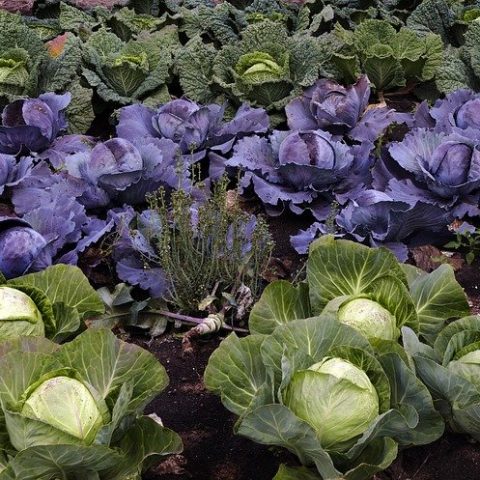
What vegetables to plant in fall and when? Autumn is best for brassicas! Cooler weather brings fresh air, beautiful colors and relief from summer heat and bugs.
We look at fall gardening as another chance to get things right and improve on what did well in the early season. There are a number of wonderful vegetables to plant in fall, depending of course, on your region.
Fall and winter crops are uniquely equipped to provide ongoing harvesting of densely nutritious greens many of them hardy fall brassicas.
We’ll get into best fall vegetables to grow as well as when to plant fall vegetables in this article.
Fall Garden Clearing, Cleaning and Maintenance
Sweet potato and potato towers have been harvested. The sweet potatoes fared better than the potatoes, but not by much, and our potatoes in large pots or half barrels did better than the experimental potato towers.
Most of the tomatoes are history, except for the few extra pounds gained from all the delicious M & M (mater and mayo) sandwiches we enjoyed all throughout the summer.
We have now converted the straw bale block of tomatoes, grown in a cattle panel “cage”, into a fall garden of brassicas and chard. By the by, the tomatoes did quite well in this mega cage system designed to keep squirrels out.
We just need a few less plants next year to reduce overcrowding, which can hinder airflow and contribute to the spread of tomato blight. So we pulled and burned the remains of any blighted plants.

What Vegetables to Plant in Fall?
The actually timing of planting is determined by your specific growing zone. With such a wide range it’s hard to cover them all, so we’re speaking here to an average mid-range grow Zone 7. Those in warmer and colder regions will need to adjust accordingly to your zone. You can also consult with your local extension service or search “Fall Gardening in [your area]”.
Fall gardening actually begins — on average — with plantings from mid July through mid September. However, what vegetables to plant in fall depends on your zone, your choice of plants and growing aids, like frost covers, greenhouses and indoor growing spaces.
Hardy vegetables such as kale, turnip, mustard, broccoli, and cabbage, tend to flourish during the cool fall days and can withstand light frosts. In some cases, a frost can actually enhance the flavor of these crops.
Favorite Fall Gardening Vegetables to Plant
- Broccoli
- Cabbage, including Chinese cabbage
- Carrots
- Chard
- Collards
- Dandelion
- Kale
- Kohlrabi
- Legumes:
- bush beans
- snap peas
- Lettuce
- Mizuna
- Mustard
- Potatoes, Irish
- Radish
- Spinach
- Turnip:
- greens
- roots

Exotic and Unique Fall Garden Vegetables
NOTE: We’ve included Amazon affiliate links as well as non-affiliated Baker’s Creek links to help you see and choose your preferred sources and for quick visual reference and purchase options. Rareseeds (Baker’s Creek) is also a GREAT resource for exotic and unusual vegetable seeds. You can find other garden seed companies here.
- Black Radish
- Broccoli – Romanesco, (aka, Fibonacci)
- Cauliflower:
- Carrots – Rainbow carrots
- Chard – Rainbow Chard
- Choy – Yellow Heart winter choy, ornamental and edible; very cold hardy
- Dandelion – See Growing Dandelion, Dandelion Benefits, and Dandelion Tea
- Kale: – We like the Lacinato Kale
- Mustard:
- red splendor
- Japanese red mustard
- Onions:
- Potatoes, blue/purple –
- Radish:
- Black radish
- Pusa Jamuni (beautiful lavender to purple color, inside and out)
Baker’s Creek didn’t have potatoes and the blue/purple potato sellers we saw on Amazon had poor reviews. So you might buy some from your local grocer — some carry them — and create your own potato slips to plant.
Our Fall Plants
For our fall garden, we planted the basic staple vegetables and salad greens. We eat lots of salads, and enjoy a variety of special salad greens. Some went into the composted remains of the straw bales, others directly into dirt in mesh lined, critter proof beds, including:
- Broccoli
- Cabbage
- Kale
- Chard
- Collards
- Corn salad
- Dandelion
- Lettuce
- Mizuna
- Mustard:
- red splendor
- Japanese red mustard
We’d love to grow the exotic Romanesco broccoli — but like cauliflower — the “Fibonacci broccoli” didn’t fare well for us. Likely due to the ongoing issue of not enough sunlight. But it’s such an enchanting vegetable that we’ll definitely try it again when we can create more sunny spots.
The issue with gardening in the woods is that while you can cut down the trees to clear for a garden, the trees surrounding the yard and garden perimeter still cast long shadows. And while that’s an ongoing issue for us, we love the woods and don’t want to sacrifice more trees. So we make do with ingenuity of vertical gardening, and planting those plants which we can grow without full sun.
If you have good experience growing any of these more exotic vegetables, we’d love to hear about it and see your photos if you have them.

Eat Some Leaves too!
Of course we’re all familiar with eating the leaves of varieties of lettuce, spinach, kale, cabbage and chard, as well as collards and turnip greens. But there are so many more plant with leaves that are also edible, and more or less desirable depending on preparation.
One bonus feature of the brassicas, is that you can pick the leaves in moderation, as the plant grows to maturity. That goes for broccoli, brussels, and cauliflower, as well as kohlrabi. The greens can be eaten cooked like your favorite greens, or raw. We like them roasted, steamed, in stir fry, juiced, chopped into soup, salad or shredded into slaw. Most cruciferous greens rival the heads and florets in nutrition.
These plant greens can also be dehydrated and made into vegetable powder, which can be added to all sorts of things to enrich and fortify both the nutrient content and the flavor.
The leaves in this category will include those that most of us would never find in a grocery store, and most not even at the Farmers’ Markets.
We’re listing most of them here, not just the fall plants because you may wish to harvest leaves of plants that have come to the end of their fruiting cycle. It’s most often the younger more tender leaves that are the most desirably edible ones, however, even the older leaves have food value that can be put to use through dehydration and powdering.
Edible Plant Leaves
- Beets
- Broccoli
- Brussel sprouts
- Carrots
- Cauliflower
- Celery
- Corn
- Cucumber
- Eggplant
- Kohlrabi
- Legumes
- English peas
- green beans
- lima beans
- peas
- Southern peas
- Okra
- Onion
- Peppers
- Radish
- Squash
- Turnip
For edible plant leaves you don’t love to eat, you can make DIY homemade greens powder them to add to foods like vitamins to fortify dishes, smoothies, green juices and salad dressings.
Roots to Shoots
While most people, even some gardeners don’t know that many of these vegetable leaves are edible, it used to be common practice and knowledge, known as “roots to shoots”. Making the most of a plant by putting every part to use as food or medicine, wasn’t just a good idea, it often meant survival.
So while you’re branching out into making good use of less common foods, have fun learning new ways to prepare and enjoy them. You’ll be in good company with some of the finest gourmet chefs of the world who consider it an exotic meal to be able to sprinkle pea leaves and blossoms as a finishing touch to a fancy dish. And while you’re at it, don’t forget to include edible flowers!

Fall Growing Season
We’re including some winter crops in this section, because depending on the growing zone, some of these can grow beyond fall into the winter gardening as well.
To calculate the time to plant a particular vegetable for the latest harvest in your area, you just need to know:
- the average date of the first killing frost
- number of days to maturity for the variety grown
Choose the earliest maturing vegetable varieties for late plantings.
Fall Planting Times***
The formula below for determining the number of days to count back from the first frost will help determine when to start your fall and winter garden.
COUNT BACK THE NUMBER OF DAYS from seeding or transplanting outdoors to harvest, PLUS…
- Number of days from seed to transplant if you grow your own
- Average harvest period
- Fall Factor (about two weeks)*
- Frost Tender Factor (if applicable); 2 weeks**
- Days to count back from first frost date
*The “Fall Factor” takes into account the slower growth that results from cooler weather and shorter days in the fall and amounts to about two weeks.