
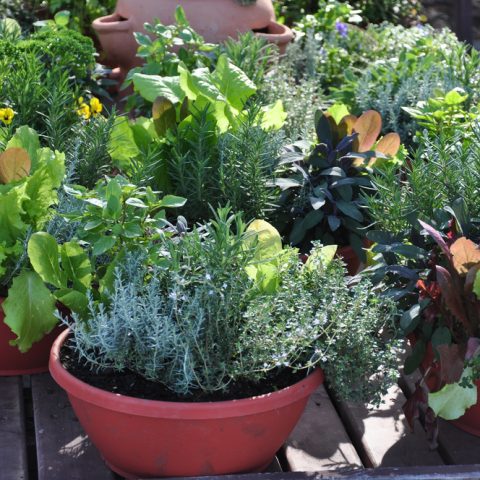
No Garden? No Problem. You Can Grow Ornamentals and Edibles in Pots and Grow Bags!
Options for gardening are many, varied and flexible based on your interests, needs, location and space available. As aging gardeners downsize they’re looking at ideas for container gardening that allows them to continue growing favorite food, herbs and ornamental plants.
Similarly, many younger adults are looking at how to get started with gardening in limited space, such as balcony gardening, patios, decks. and even indoors.
If You Don’t Have a Yard for Gardening…
If you don’t have a yard, or only have a small backyard, no problem, you can still grow plants and even food! Sure, it won’t replace your produce bill at the grocery store. But it will give you pleasure, satisfaction, some fresh edibles, growing experience, and even contribute to greater peace of mind and stress relief!
Having plants in your indoor-outdoor living environments also nourishes the soul and senses beyond food value. When you don’t have a garden, you can still enjoy some of the benefits of garden therapy, by tending indoor, balcony and patio plants.
Whether you have a dream of expanding into farming or homesteading, or just want to grow vegetables from your patio, there’s so much you can do and grow, even in small spaces. In fact we have numerous articles on this because it’s an important topic where space or ability to have a larger garden may not be an option.
But yes, it does require some planning and experimenting.
Big Gardening in Small Spaces
You can see some of what’s possible in these articles having to do with containers and growing in limited space.
- Growing Tomatoes in Containers
- Vertical Vegetable Gardening
- Homesteading on 1/8 Acre
- How to Grow Microgreens
- Growing Longevity Spinach
Container Gardening Ideas – So What to Plant?
Of course there are some plants that do better in containers than others. There are also plants to choose that produce more in less time than others. Bottom line, with limited space you’ll need to choose the foods you enjoy most, and of those, choose the plants that will produce the most in food value.
Soon, we’ll cover how to decide what to grow, but first…
Start Small, Learn, then Grow
We’re steadily growing into larger greenhouse space, but we started small, based on resources available, including time and space. There are many advantages of starting small with any large undertaking, and in fact its how we learn best. Learn do, improve, repeat.
beginning with a kitchen garden window and sunroom built into our home. Next we got an indoor greenhouse, which we’re using for starting seeds during garden season and for growing microgreens, especially in winter. Last year we built a cattle panel greenhouse which served very well over the winter.
4 Steps in for Beginners
- Learn
- Do
- Improve
- Repeat
A Greenhouse for Every Budget and Situation
Greenhouse options range from practical high tunnels favored by homesteaders and market gardeners, to sleek polycarbonate panel greenhouses for the plant hobbiest or serious home gardener.
You can get geodesic dome greenhouses built for you, or purchase kits. Higher budgets aiming for elegant design can choose beautiful metal and glass Victorian style glass greenhouses and everything in between. These are not cheap, but they’re an investment in your ability to grow food year round. It’s worth considering how much money this could save you over the years in food costs.
A Greenhouse is an Investment in Food, Health and Future
The dollars you pay at the register is just one kind of monetary cost. There are other costs relative to freshness of food and the kinds of pesticides used. When you grow your own, you know where it comes from and what was put on it and into the soil that goes into creating the plant and its bounty.
We look at our food as our medicine.
When you look at your food as medicine, as we do, and consider how much is spent—or might be spent—on medications, the cost of a greenhouse can actually be small—or at least reasonable—in comparison. Eating healthy organic food straight from your field, planter or greenhouse is the healthiest food on the planet and contributes to disease prevention for a long healthy life. Healthy food is cheaper than illness and medicine and contributes so much more to your life in health, wellness and longevity.
Healthy food is cheaper than illness and pharmaceutical medicine.
Indoor Gardening
This will be so much easier if you have a greenhouse because you’ll have more space to grow in full daylight every day. However, if you don’t yet have one, here’s what you need to consider for growing indoors in your home.
But if you have an area near a window, you can start with one pot. No window? You can use a grow light.[1]https://gardensall.com/7-best-grow-lights-for-avid-gardeners/
Lighting
- How much natural light do you have?
- Is it a southern facing window, (meaning you’ll get the maximum amount of daylight there)?
- Will you need to supplement with grow lights?
Space
How much space do you have in the areas with access to natural or grow lights? Calculate approximately how many large pots, planters or plant towers you could fit in that area. Y
You might want to sketch it out or just place empty pots or plant trays and plant dollies on wheels, around where the potted plants will go. We rely on the dollies to make moving plants around so much easier, and prefer the ones that can double as a plant saucer, so two benefits in one.
Food and Vegetable Gardening and Practical Planning
Okay, so you’re probably not going to like this but it’s important to tell it like it is.
Many newbies—and experienced gardeners alike—get excited about growing all kinds of things. Us included. It’s really easy to have visions of exotic plants… (we have a Meyer’s Lemon Tree as you will see shortly below), avocados, (something we also have), and even a pineapple plant (which we’ve had a few in years past).
But especially for edibles, it’s important to assess the time it takes to produce from start to harvest.
How Long Before it Bears Fruit (or Vegetables)?
Meyer’s Lemon – Can Produce Fruit at Around 4 Years
Then, reality sets in. The reality is that a dwarf lemon tree may produce for a few months each year, beginning with one or two fruits in the beginning, and possibly increasing to a handful of fruits over the years. That means you need to water, mist and even shower it weekly, during half the year at least, for maybe the equivalent of one bag of lemons. Sigh.
Avocados – 10-15 Years to Fruit from Seed; 3-5 years from Nursery Plant
Same thing with the avocados. We have two big avocado plants and several newer smaller ones now. One of the big ones is a grafted variety from a nursery. The others we’ve grown from seed or cuttings.
Avocado plants can take 10-15 years before bearing fruit if grown from the avocado seed!!!
Let that sink in. That’s a lot of years to be moving a big potted plant in and out each spring and summer before it ever bears fruit.
None of ours have yet to bear fruit, though they did flower one year. Chances are they’ve needed more sun than we’ve been able to give them.
HOWEVER, the good news is that even if our avocado trees never bear fruit, we can use the avocado leaves, which are edible and medicinal!
RELATED: Edible tree leaves
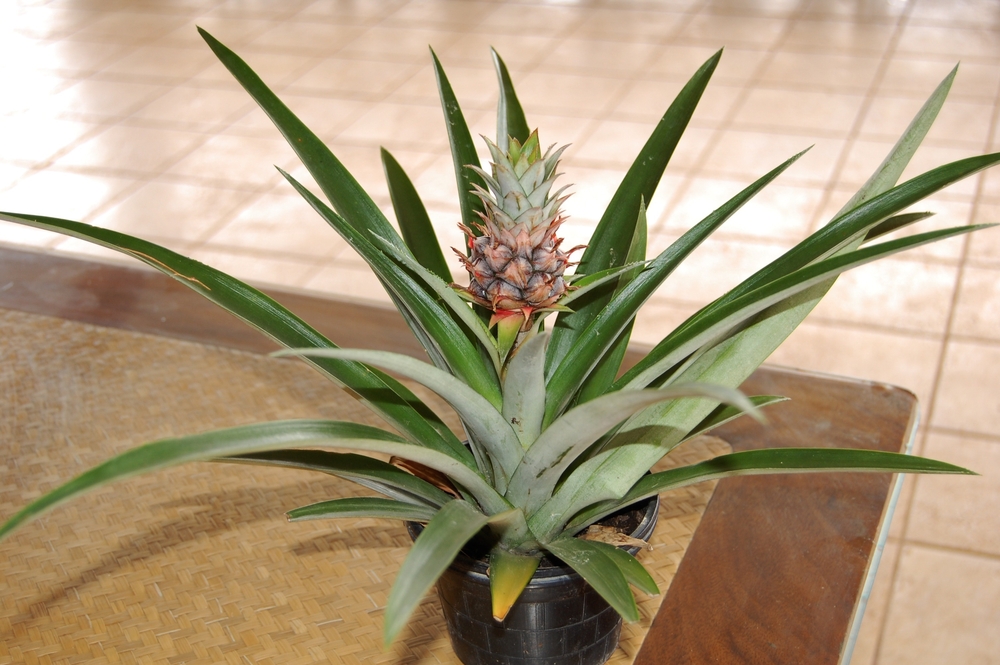
Pineapple Plants – 2 Years to Fruit
I grew up in Hawaii and lived across from an entire pineapple field. Fresh pineapple straight from the plant is heavenly.
We’ve also grown a few pineapple plants, and they’re fun to grow. It’s super cool to place a dried pineapple top into the soil and watch it grow.
As a bromeliad, the pineapple flower is beautiful to behold, followed by the excitement of the pineapple fruit starting to show up.
The problem is that it takes two full years for one pineapple plant to bear one pineapple to blossom that turns into one — just one — pineapple fruit.
Ours was beautiful and incredibly delicious. But… TWO YEARS for ONE PINEAPPLE?!? It just doesn’t make sense for us to allocate valuable growing space time and effort into something that produces so little. IF you’re growing for food value, and IF you’re short of growing space, pineapple may not be amongst the best ideas for container gardening for you.
If you’re growing for fun and the experience of novel plants, then it’s fine and fun to experiment.
If you’re going to feed your family and supplement food costs, it’s important to consider what can we grow indoors or out, that will produce the greatest yield for the time and space.
What Can We Grow for the Greatest Nutritional Yield in the Least Space and Time?


Grow Microgreens and Sprouts
If you have no garden space at all (or if it’s off season), we recommend starting with sprouts. Growing sprouts adds nutritious fresh greens for salads, omelets, sandwiches and even a topping for soups.
Sprouts are an easy way to ease into the concept of growing your own food without much investment of time, resources or space.
You can grow microgreens and sprouts year round for daily access to vital nutrient-rich food.
Growing Dwarf Fruit Trees in Pot
Okay, so all that said, we are growing a dwarf Meyer lemon tree tree, in a container. We decided to do this for several reasons.
- It was a birthday present from my husband
(TIP: plant lovers always love plant and gardening gifts!) - It’s a reminder of our goal to have a larger greenhouse for year round growing
- It gives us a chance to practice hands on lemon tree care
RELATED: What’s wrong with my lemon tree? - Fruit trees are perennial plants that produce for years to come.
- We love gardening and houseplants, so it makes sense for us to invest in edible houseplants.
- We’re learning for and nurturing our future homestead orchard dream.
- We’re prioritizing food production over ornamentals
Our Dwarf Meyer’s Lemon Tree came with three creamy white blossoms on it that are incredibly fragrant, reminiscent of gardenia or ginger. Now it has sturdy green fruit on it.
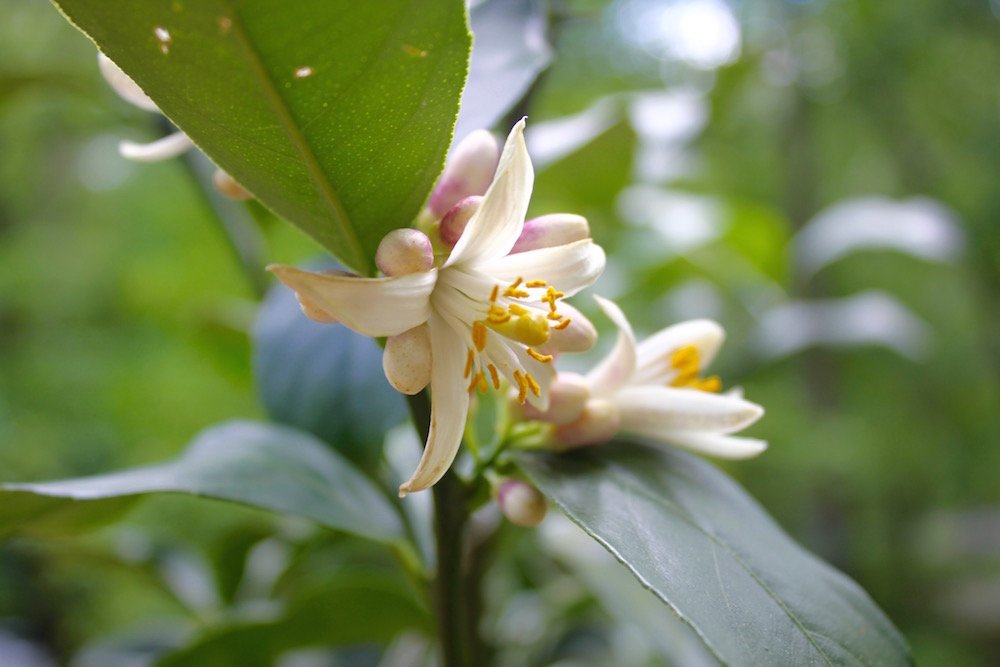
We’ve also written more about them here in this article.[2]Meyer Lemon Trees – the Indoor Outdoor Fruit Tree
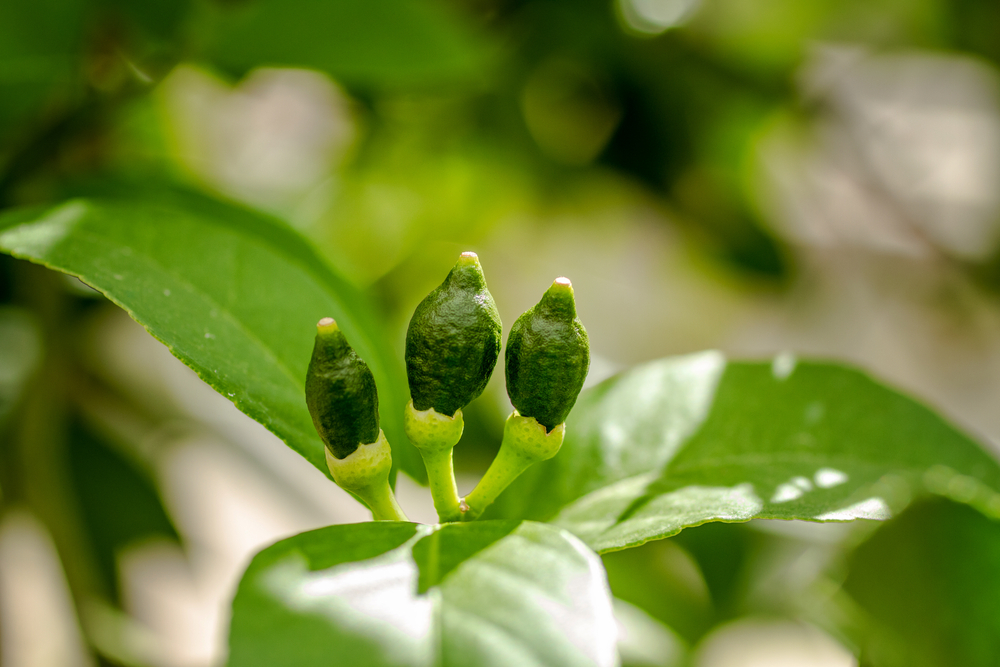


We drink lemon water every morning, so having fresh lemons from our own trees will be a real treat. One thing for sure about the potted citrus plants: they thrive in moist air and get parched in the usually dry air of a heated winter house. So if you’re going to keep plants indoors in the winter, they will be much happier with a humidifier misting in their midst. Humidifiers have made all the difference in the health of ours.
TIP: place a humidifier near your indoor plants in winter to help keep them happy.
Deciding What to Grow
No matter what kind of garden you’re planning, your best success is preceded by careful planning. Whether you’re planning your indoor, outdoor or greenhouse garden, planning makes a big difference.
The first thing is to start simply and small. It’s best to ease into growing so that you don’t spend a lot of money on pots, seeds and plants, only to not have the time or knowledge to keep up with them.
We could do an article on which fruits and vegetables grow best in containers, but that won’t serve you, and here’s why.
If you have a yard garden, the best things for you to grow are obviously the things you buy and use the most. For container gardening, you start with that same premise and branch out from there.
Simple 3-Step Process for Determining What Foods to Grow
For this exercise, we’ll cast aside the concept of growing the most productive plants. Keeping in mind the paragraphs above that speak to how what you use most often may not be the most practical to grow, let’s consider this process for an ideal scenario: growing what you want to grow and having the space to do so, even if it’s in containers.
What Food Do You Eat Regularly?
- Identify the top 10 produce items you tend to buy weekly.
- Of those ten, which 5 are the most expensive to buy?
- Of those five, which are the 1-3 easiest to grow in containers?
Now you have your plants to start with.
Sample of Our Top 10 Weekly Produce Expenditures:
- avocados,(see also, Avocado Leaves Uses and Benefits)
- bananas (see also Banana Peels Benefits)
- bell peppers (especially the colored ones – we love growing the Marconi peppers)
- blueberries – (Can grow blueberries in pots but best outdoors)
- celery
- cucumbers
- kale – (Growing kale is easy to do in pots year round, indoors or out)
- lemons – We love growing Meyer lemon trees for indoor lemon harvests in winter.
- spring mix
- spinach – we’re growing longevity spinach in pots year round.
From the 10 above, the most expensive items based on price and our usage are:
- avocados
- bell peppers
- blueberries
- lemons
- spring mix
From the 5 above, the 4 easiest to grow in containers are
- avocados
- bell peppers
- lemons
- spring mix
So these are the three plants we’ll consider growing year round in pots indoors when we have more space to). We’re already growing avocados and Meyer lemon trees in pots that we bring inside in winter.
Bell pepper plants are perennial, so we may experiment with potting a couple of our garden pepper plants as well as planting a new one from seeds and see how they do inside in a pot. The challenge here is they do need a lot of sun and our sunroom is already full of plants in winter!
However, peppers take longer to fruit. So these may not be the most productive plants we could be growing from our list of five for several reasons.
Planters of lettuce mixes, spinach, arugula, kale and other salad greens can keep on producing. These can be consumed as sprouts and microgreens, or matured further into full leaves for salads. We like to have some of both.
Next we cover some of the containers to consider for container gardening.
For more on what vegetables to grow here.
The plants that will produce the most over time for us is spring mix or other salad greens, hearty greens and microgreens.
Advantages of Container Gardening
Container gardening has many advantages.
Being that most are portable you can move them to take advantage of microclimates around your home. Living in the woods as we do, I’m often moving our plants around to chase the sunlight. Indoors in winter, an outdoors in spring to fall.
In winter, I place those needing the most sun on right next to the window on our sunroom ledge. In spring, when it’s still too cold at night to take the plants outside, I let them sun out there by day and bring them in at night.
Once outdoors in summer, with the full canopy of leaves of the trees overheard I rotate the plants around to the sunniest spots. It takes extra effort for sure, but it gives me time to talk to my plants and make sure they’re doing well.
Another advantage is there’s less weeding, plus they can be placed on stands to be at an easier height to work tend to. This is especially beneficial for people with back or knee troubles, and other limited mobility challenges. In these situations, we recommended a raised garden bed. It costs more up front, but can be used year after year, while enjoying easy access to stress-free easy gardening.
Next, we cover several different types of container gardens, and a precautionary tip on what doesn’t work, next.
50 Plant Composting Plant Tower
This composting plant tower is a “Cadillac” of container gardens. It’s not for everyone but there are many cool features. The Plant Tower has the added feature of an inner composting core and compost tea capture tray. The idea is that you will actually be able to incorporate your own vermiculture ecosystem by adding worms right into this planter set up.
So you have the composting, growing, and “tea” fertilizer all built into one unit. (Notice the “tea” collection tray at the bottom for pulling out and using in your garden or other houseplants as well as the ones in this tower garden).
I thought it was already on casters, but it looks like you’d have to place it on your own plant dolly.
Still, we estimate that as much as we consume salad greens, this will pay for itself in 3-4 months in savings from buying salad greens.
However… we have mixed reviews on our Nancy Jane Stacking Planter tower, below, so if you’re considering any kind of vertical tower planter, this is important information.

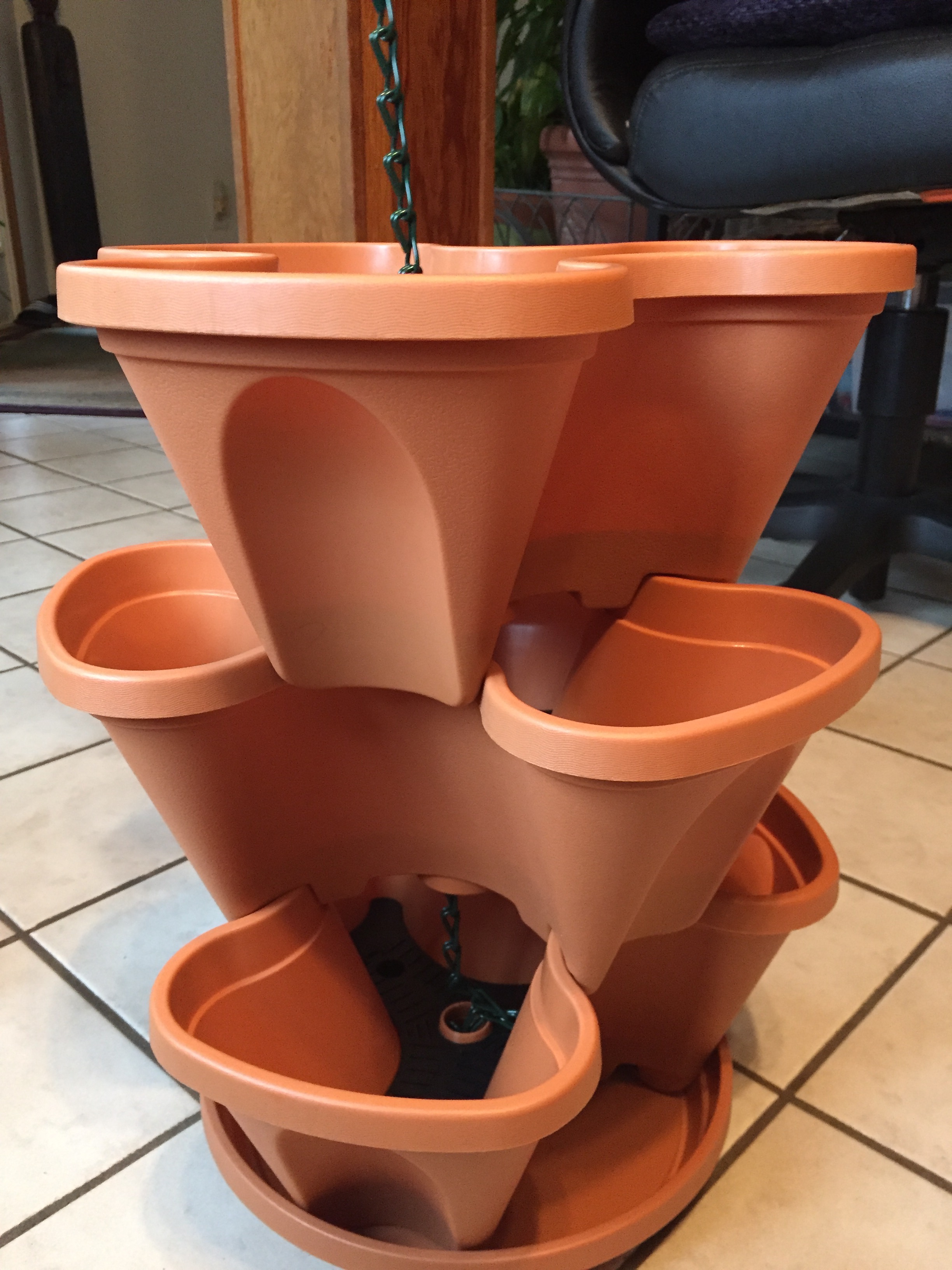
Nancy Janes Stacking Planters
We tested a smaller and much more economical container garden with just 9 spaces for our microgreens for salads. It started out well but did not continue growing strong indoors with just window light. Then in spring we moved it outside, but again, the “shadowing effect” of the height of the tower just didn’t do as well as a flat bed area, in our experience. Kale did the best of the microgreens we tried.
Here’s an image of the kind of 3-tiered, 9-pot Nancy Janes Stacking Planters. They also have a taller one that’s 5-tiered with 15 pots.
We’re not going to hang ours but you could. This should be a good container for growing strawberries.
UPDATE: We didn’t have great success in growing strawberries in this tower container, nor was it great for herbs as compared to a regular pot. See other ideas for strawberry planters.
For more container gardening ideas, check out pyramid planters, rain gutter gardens and vertical wall garden ideas.
We hope you found this helpful. Please share your comments, questions and garden photos.

We are an online gardening publication sharing all things garden related! Including urban farming, family gardening, homesteading, gardening for profits, and more. We’re all about growth!
References